
Digitizing intangible heritage with sound and motion capture allows you to preserve essential cultural practices like dance, storytelling, and music for future generations. You can record gestures, steps, and performances with precision, capturing unique nuances and emotional depth. These digital methods help you share traditions globally, ensuring their vibrancy remains alive despite time or distance. If you keep exploring, you’ll discover how this technology truly revitalizes and safeguards cultural diversity worldwide.

Get art and craft supplies delivered free with Prime
- Fast, free delivery on millions of items
- Prime Video, Amazon Music and more included
- Member-only deals all year
Key Takeaways
- Sound and motion capture digitally preserve traditional dance and storytelling, capturing nuanced gestures, tone, and rhythm.
- These technologies enable accurate recreation and analysis of cultural performances without relying on original performers.
- Digitization facilitates sharing and accessibility of intangible heritage across global audiences via multimedia platforms.
- Combining visual and audio data creates immersive archives that reflect the full cultural context of traditions.
- Preserving intangible heritage digitally helps maintain cultural diversity, promotes understanding, and ensures future generations can experience these practices.
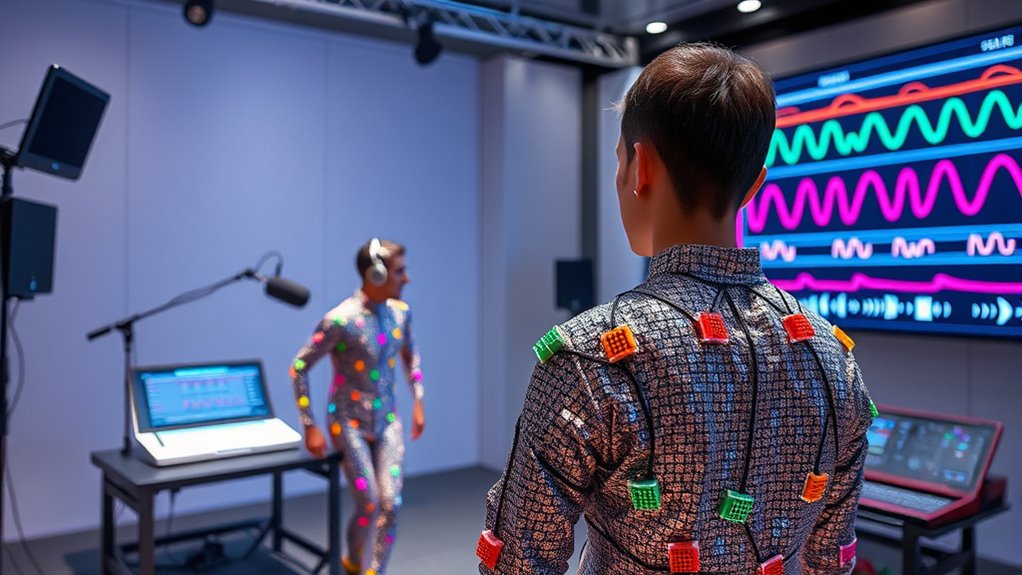
As technology advances, digitizing intangible heritage has become crucial for preserving cultural practices, traditions, and knowledge that are at risk of fading away. You play an essential role in capturing these fleeting expressions—whether it’s a traditional dance or oral storytelling—so they can be shared with future generations. By leveraging sound and motion capture techniques, you help safeguard the richness of cultural diversity and ensure these practices survive beyond their oral or physical forms. When it comes to traditional dance, motion capture technology allows you to record every gesture, step, and movement with incredible precision. This detailed data enables dancers and researchers to analyze and recreate performances, even if the original performers are no longer available. It also opens doors for cultural exchange, allowing people worldwide to learn and appreciate traditional dance styles without the barriers of distance or language.
Digitizing heritage with sound and motion capture preserves cultural practices for future generations.
Similarly, for oral storytelling, sound recording becomes a powerful tool. You can capture the nuances of tone, pitch, and rhythm that are integral to the storytelling tradition. These recordings preserve not just the words, but the emotional depth and cultural context embedded in the narrative. Transmitting these stories digitally ensures that they aren’t lost as storytellers age or pass away. You might also use transcription and translation tools to make these stories accessible to a broader audience, fostering cross-cultural understanding. Digitization also allows for the integration of storytelling into multimedia formats, such as interactive apps or virtual reality environments, making these traditions more engaging and accessible to younger generations.
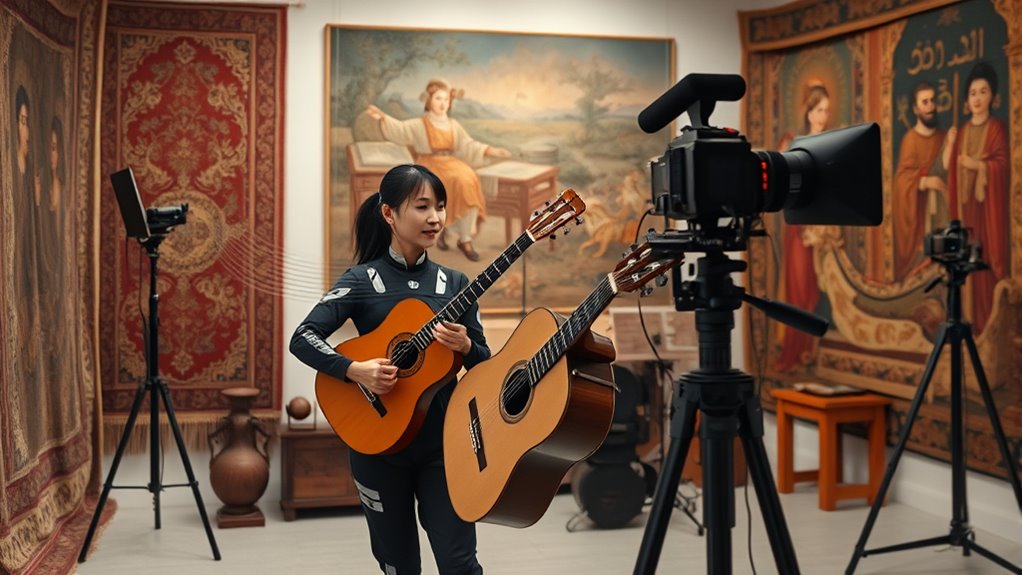
By combining sound and motion capture, you contribute to a thorough preservation method. For example, a traditional dance can be digitized to include visual recordings of the movements alongside audio of the accompanying music and storytelling. This multi-sensory approach helps users experience the performance as authentically as possible, even if they are not physically present during the original event. You’re not just saving isolated elements; you’re creating a rich, immersive archive that captures the full essence of cultural practices. This digital preservation also facilitates research and education, allowing scholars and students to study and learn from these traditions in ways that were impossible before.
In the end, your work in digitizing intangible heritage ensures that traditional dance and oral storytelling remain vibrant, accessible, and alive. Through sound and motion capture, you help bridge the gap between the past and the future, making sure that these crucial expressions of human culture continue to inspire and connect communities around the world.
motion capture suit for dance preservation
As an affiliate, we earn on qualifying purchases.
As an affiliate, we earn on qualifying purchases.
Frequently Asked Questions
How Do Sound and Motion Capture Technologies Impact Cultural Authenticity?
Sound and motion capture technologies can enhance cultural authenticity by maintaining high technological fidelity, ensuring that performances are accurately recorded and preserved. When you use these tools carefully, you help protect cultural integrity, allowing future generations to experience traditions authentically. However, if misused, they might distort or oversimplify cultural expressions, so it’s crucial to balance technological precision with respectful representation to truly honor the heritage.
What Challenges Exist in Preserving Digital Versions of Intangible Heritage?
Preserving digital versions of intangible heritage is like guarding a fragile flame in a windstorm. You face challenges like data security, which threaten to snuff out your efforts through hacking or loss, and technological obsolescence, where outdated formats make your precious recordings unreadable. Staying ahead requires constant updates and security measures, ensuring your cultural treasures remain vibrant and accessible for generations to come.
How Accessible Are Digitized Heritage Materials to Global Audiences?
You can access digitized heritage materials easily through virtual access, reaching global audiences anytime. However, linguistic diversity can pose challenges, as content often isn’t available in multiple languages, limiting understanding for non-native speakers. To truly share intangible heritage worldwide, you need to guarantee your digital collections incorporate multilingual options and user-friendly interfaces, making cultural knowledge accessible and engaging for diverse audiences across different regions.
What Ethical Considerations Arise in Digital Preservation of Cultural Practices?
You need to take into account privacy concerns and cultural sensitivity when digitally preserving cultural practices. Respect the community’s wishes to avoid exposing sensitive traditions or personal data that could be misused. Make sure to obtain informed consent and involve community members in decision-making. By doing so, you ensure ethical preservation that honors the integrity of the cultural practices and protects the rights of those represented.
How Can Digitization Help Revive Endangered Intangible Heritage Traditions?
Imagine stepping into a virtual reality experience that transports you directly into an endangered tradition. Digitization can revive these cultural storytelling practices by preserving unique sounds and motions, making them accessible worldwide. You can explore and learn from these immersive reconstructions, keeping traditions alive for future generations. This technology creates a bridge, ensuring that endangered heritage isn’t lost but instead revitalized through innovative, interactive experiences.
sound recording equipment for traditional storytelling
As an affiliate, we earn on qualifying purchases.
As an affiliate, we earn on qualifying purchases.
Conclusion
By embracing sound and motion capture, you become a guardian of fading traditions, weaving them into the digital tapestry that preserves their essence. Like a sculptor shaping fleeting shadows into enduring statues, you transform ephemeral heritage into timeless echoes. This technology breathes life into the intangible, ensuring future generations can dance to the same rhythm and hear the same song. Ultimately, you’re not just recording history—you’re igniting its flame for eternity.
digital heritage preservation tools
As an affiliate, we earn on qualifying purchases.
As an affiliate, we earn on qualifying purchases.
VR immersive cultural experience headset
As an affiliate, we earn on qualifying purchases.
As an affiliate, we earn on qualifying purchases.
Halloween Picks
halloween
As an affiliate, we earn on qualifying purchases.