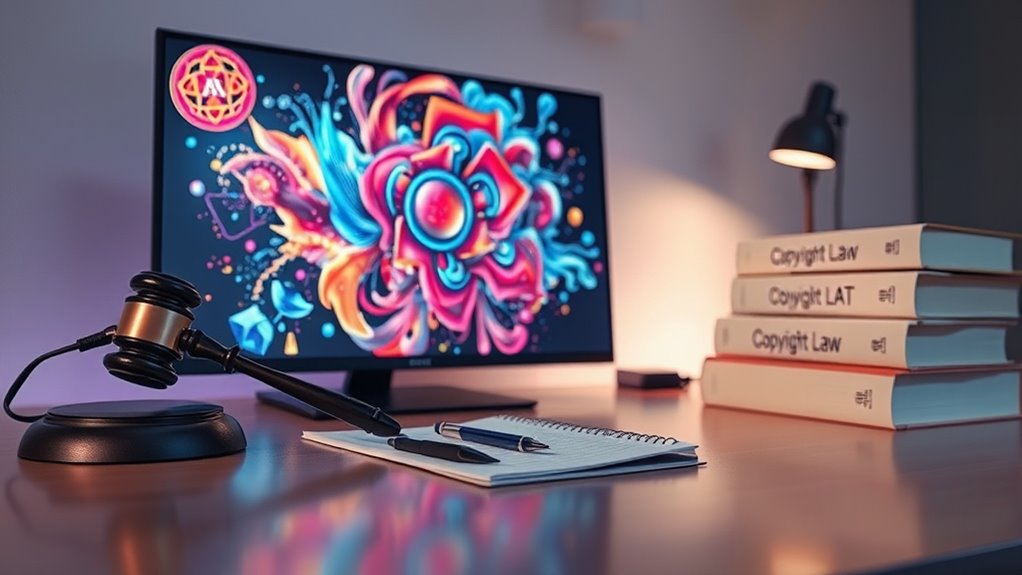

AI-generated art raises complex legal questions about who owns and has rights to the work. Since copyright law mainly protects human creators, it’s unclear whether AI works qualify for protection or who holds the rights—whether it’s the AI’s developer, user, or the AI itself. The level of human input often influences originality and ownership, making legal outcomes uncertain. To understand how these issues are evolving, keep exploring how laws adapt to AI’s growing role in art creation.

Get art and craft supplies delivered free with Prime
- Fast, free delivery on millions of items
- Prime Video, Amazon Music and more included
- Member-only deals all year
Key Takeaways
- Most legal systems recognize human authorship rights, creating ambiguity around ownership of AI-generated art.
- The level of human input influences whether AI-created works qualify for copyright protection.
- Ownership rights may belong to AI creators, users, or the AI output holder, depending on jurisdiction and involvement.
- Originality requirements for copyright are challenging for AI works, especially with minimal human guidance.
- As AI advances, laws must evolve to clarify authorship, ownership, and copyright eligibility of AI-generated art.
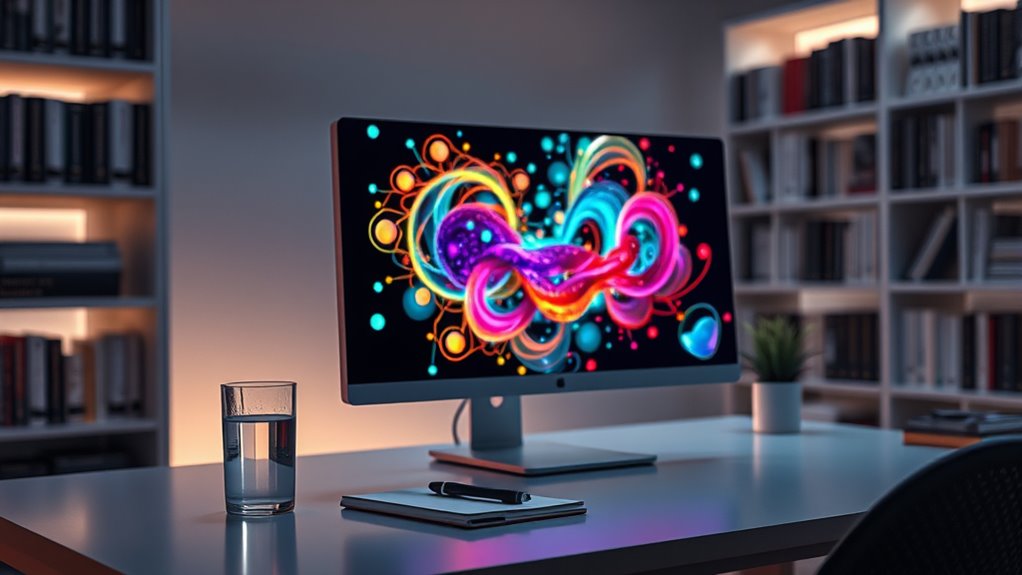
Artificial intelligence has revolutionized the creation of art, raising important questions about who owns the rights to AI-generated works. When you consider the legal landscape, one of the key issues revolves around authorship rights. Traditional copyright law is centered on human creators, so determining who holds the rights when a machine produces art becomes complex. If an AI system generates a painting or a piece of music, is the creator of the AI, the user who prompted it, or the AI itself the rightful owner? Currently, most jurisdictions recognize authorship rights only for human creators, which leaves many AI-generated works in a legal gray area. This ambiguity can complicate ownership claims, licensing, and potential disputes, especially when multiple parties are involved in the creative process. You might find yourself asking whether using AI tools diminishes your claim to authorship or whether the AI’s output can be considered original enough to warrant copyright protection. Additionally, the originality of AI-generated works is often debated, as the level of human input influences legal interpretations. Originality concerns are another significant hurdle. Copyright law typically requires that works be original and possess a minimal degree of creativity. But with AI-generated art, questions arise about the degree of human input involved. If you merely input a prompt and the AI produces a piece, is that enough to establish originality? Or does the work lack the necessary human touch to qualify? Courts are still grappling with these questions, and their decisions hinge on how much human intervention is involved. If you’re heavily involved in selecting parameters or editing the output, you might have a stronger claim to authorship. Conversely, if the AI creates the work with little to no human guidance, it may not meet the originality threshold for copyright protection. These concerns influence how you can legally use, reproduce, or monetize AI-generated art, especially in commercial contexts. The evolving nature of AI technology means that these issues are likely to become even more complicated over time. As tools become more advanced, the line between human and machine creativity blurs further, forcing lawmakers and creators like you to reconsider traditional notions of authorship. You need to stay informed about current legal standards and how they apply to your work. While AI can expand your creative possibilities, it also raises critical questions about ownership and originality that you must navigate carefully. Ultimately, understanding the legal landscape surrounding authorship rights and originality concerns helps you better protect your interests and clarify your rights when working with AI-generated art.
As an affiliate, we earn on qualifying purchases.
Frequently Asked Questions
Can Ai-Generated Art Be Trademarked?
Yes, you can trademark AI-generated art if it’s unique and has distinctive branding or commercial value. However, you should be aware of privacy concerns, especially if personal data influences the work. Keep in mind, the artistic authenticity of AI art can be challenged, which might impact trademark validity. confirm your AI art’s originality and branding are clear to protect your rights effectively.
How Do International Copyright Laws Treat AI Art?
You might find international copyright laws quite playful when it comes to AI art. They generally don’t recognize AI as a legal author, leaving AI art licensing and moral rights in a gray area. Some countries consider the human creator’s input, while others may not. This means your AI-generated work’s protection varies globally, so it’s wise to stay informed about each jurisdiction’s stance on AI art and its legal nuances.
Who Owns the Rights to Collaborative Ai-Human Creations?
You generally own the authorship rights to collaborative AI-human creations if you actively contribute to the creative process. Your moral considerations, like intent and originality, influence ownership. When AI plays a significant role but your input remains central, you’re usually recognized as the author. However, the legal landscape varies by jurisdiction, so understanding local laws helps clarify rights and responsibilities in these innovative collaborations.
Are There Ethical Concerns With Ai-Generated Art?
Yes, there are ethical concerns with AI-generated art. You might question whether it maintains creative originality or if it compromises artistic authenticity. When you rely heavily on AI, it could diminish human input and the personal touch that defines true artistry. This raises issues about the value of human creativity versus machine output, challenging the integrity of art and prompting debates about cultural significance and artistic merit.
How Does Fair Use Apply to Ai-Created Works?
Fair use can sometimes shield AI-created works, especially if your use aligns with data ownership and meets originality criteria. You’re likely protected if your work transforms the source material, adds new meaning, or serves a different purpose. However, it’s a delicate balance—always consider how your use impacts the original creators. You may want to evaluate whether your work qualifies as fair use before sharing or commercializing it.
AI-generated art licensing software
As an affiliate, we earn on qualifying purchases.
As an affiliate, we earn on qualifying purchases.
Conclusion
As you navigate the evolving world of AI-generated art, it’s clear that the legal landscape is gently shifting, inviting thoughtful consideration rather than rigid rules. While uncertainties remain, embracing the nuanced nature of this domain allows you to approach your creative endeavors with both confidence and respect for emerging standards. By staying informed and practicing mindful creativity, you can contribute to a future where innovation and legal clarity harmoniously coexist, guiding you gracefully through this new artistic frontier.
As an affiliate, we earn on qualifying purchases.
As an affiliate, we earn on qualifying purchases.
Fall Picks
fall essentials
As an affiliate, we earn on qualifying purchases.