
If you put street art on private property without permission, you could face legal issues like vandalism charges and property damage claims. Property owners have the right to control their land and can demand removal or pursue legal action. Unauthorized art can also be considered intrusion, potentially leading to fines or criminal penalties. Understanding your rights and boundaries is essential. Keep exploring to find out how these laws can affect you and ways to protect your property.
Key Takeaways
- Unauthorized street art on private property may constitute vandalism, leading to legal penalties for artists or vandals.
- Property owners have the right to demand removal and pursue legal action for damages or defacement.
- Artistic permission is crucial; art created without consent can be legally considered an intrusion.
- Local laws vary; some jurisdictions impose fines, community service, or criminal charges for unauthorized street art.
- Property owners can protect their rights and property by acting swiftly and documenting evidence of unauthorized artwork.

Street art on private property often sparks legal debates because it blurs the line between artistic expression and property rights. As a property owner, you have the right to control what happens on your land, including whether or not street art appears there. When someone paints or tags your property without permission, it can be considered vandalism, which carries serious consequences. Vandalism consequences vary depending on local laws, but they generally include fines, community service, or even criminal charges. These penalties are designed to discourage unauthorized artwork and protect your property from damage or defacement. Knowing your property owner rights helps you understand what actions you can take if you discover street art on your land without your consent. You can request the removal of unauthorized artwork and, in some cases, pursue legal action against the artist or vandal.
If you’re a property owner, it’s essential to recognize that street art can complicate your rights. You might find yourself in a situation where art appears on your walls or fences, either with or without the artist’s permission. If it’s unauthorized, you have the right to demand its removal and potentially seek legal remedies. Conversely, if the street art is created with your permission, it becomes a form of artistic expression that you can choose to embrace or reject. But even then, it’s important to clarify the boundaries of permission and whether the artist has any rights or obligations related to the artwork. Remember, street art created without your consent can be considered an intrusion on your property rights, and you’re entitled to take action to restore your property’s original condition.
Legal disputes over street art often revolve around whether the artist had permission and whether their actions constitute vandalism. When someone tags or murals on private property without approval, it’s not just an aesthetic issue—it’s a legal matter. If the property owner opts to press charges, the artist could face vandalism consequences, which might include criminal prosecution. That’s why understanding your rights as a property owner is essential; it enables you to respond swiftly and appropriately. You don’t have to accept unauthorized street art on your property, and you can seek legal remedies to have it removed. Taking action quickly can also prevent the artwork from becoming a permanent fixture, which might be more difficult to erase later. Ultimately, your property rights protect your land from unwanted artistic incursions, and understanding the legal landscape helps you defend those rights effectively. Additionally, being aware of payment processing security measures can be useful if you need to protect digital evidence related to your property or legal claims.
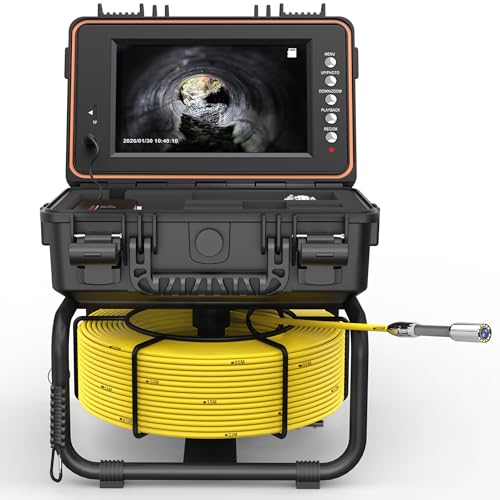
Sewer Camera Self-Leveling 165ft Pipe Inspection Camera with HD Recording, Distance Counter, Drain Cameras for Plumbing, Sewer Line Inspection, Contractors, Property Management & Home Inspectors
- Long Inspection Reach: 165ft/50m fiberglass cable for thorough inspections
- Cost and Time Saving: Reduces excavation costs and shutdown risks
- Portable Design: Compact for easy transport and on-site use
As an affiliate, we earn on qualifying purchases.
As an affiliate, we earn on qualifying purchases.
Frequently Asked Questions
Can Private Property Owners Legally Remove Street Art Without Consequences?
Yes, you can legally remove street art from your private property if it’s considered vandalism, as it violates vandalism laws and infringes on your property rights. However, if the art was created with permission or is protected by local laws, removing it could lead to legal consequences. Always verify ownership and permissions before removal to avoid potential legal issues. Acting promptly helps protect your property rights effectively.
What Rights Do Artists Have to Create Street Art on Private Property?
You don’t have an inherent right to create street art on private property without the owner’s consent. Art ownership typically belongs to the property owner unless there’s a specific agreement, and creating art without permission can lead to legal issues. To avoid consequences, you need the owner’s consent before starting. Respecting these consent requirements guarantees your work stays legal and prevents potential removal or legal action.
How Does Trespassing Relate to Creating or Viewing Street Art?
Trespassing is like crossing a forbidden bridge when creating or viewing street art, risking vandalism penalties and legal trouble. If you don’t get the property owner’s consent, you could face serious consequences, even if your intent isn’t malicious. To stay on the right side of the law, always seek permission before creating art or viewing it on private property, respecting boundaries and avoiding charges of unauthorized entry.
Are There Any Tax Implications for Private Property Owners Hosting Street Art?
You might face tax implications if you host street art on your private property. Hosting art can impact your property’s valuation, potentially affecting property taxes. Additionally, you could qualify for tax deductions if the street art is considered a permanent improvement or part of a business investment. Keep in mind, the valuation impact may increase your property taxes, so consult a tax professional to understand how street art affects your specific situation.
Can Street Art on Private Property Be Considered a Form of Protected Free Speech?
Yes, street art on private property can be considered a form of protected free speech, especially if it qualifies as public expression or artistic expression. You have the right to display your message or artwork, but keep in mind that local laws and property rights may limit this freedom. It is crucial to balance your creative expression with respect for property owners and regulations to guarantee your art remains protected.

iCover 4x50ft Privacy Screen Fence, Outdoor Fencing Panels, Garden Windscreen Mesh Shade Sail Net Barrier, Include Reinforced Bindings and Brass Grommets Cable Zip Ties, Black
- Privacy Screen Size: 4 ft high by 50 ft long
- Material: Heavy-duty knitted net
- Privacy & Ventilation: Blocks visibility while allowing airflow
As an affiliate, we earn on qualifying purchases.
As an affiliate, we earn on qualifying purchases.
Conclusion
In the end, understanding the legal implications of street art on private property is essential—you don’t want a simple mural to turn into a legal nightmare that could cost you more than you can imagine. Always seek permission and respect property rights; otherwise, you risk facing severe penalties or even losing your creative freedom entirely. Remember, ignoring these laws is like playing with fire—you might get burned in ways you never expected.

Property Law Guide – Legal Quick Reference Guide by Permacharts
- Legal Quick Reference Chart: USA Property Law Overview
- Property Interests & Terms: Concise Definitions and Types
- Legal Principles Covered: Contract, Estate, and Family Law
As an affiliate, we earn on qualifying purchases.
As an affiliate, we earn on qualifying purchases.

IVON Cuticle Trimmer with Pusher, 3pcs Rubber Tip Cuticle Tool for Nail Art
- Gentle Rubber Tip: Soft on nail bed, prevents damage
- Sharp Trimming Fork: Easily trims hang nails
- Colorful Tips: Fun, assorted colors for nail art
As an affiliate, we earn on qualifying purchases.
As an affiliate, we earn on qualifying purchases.