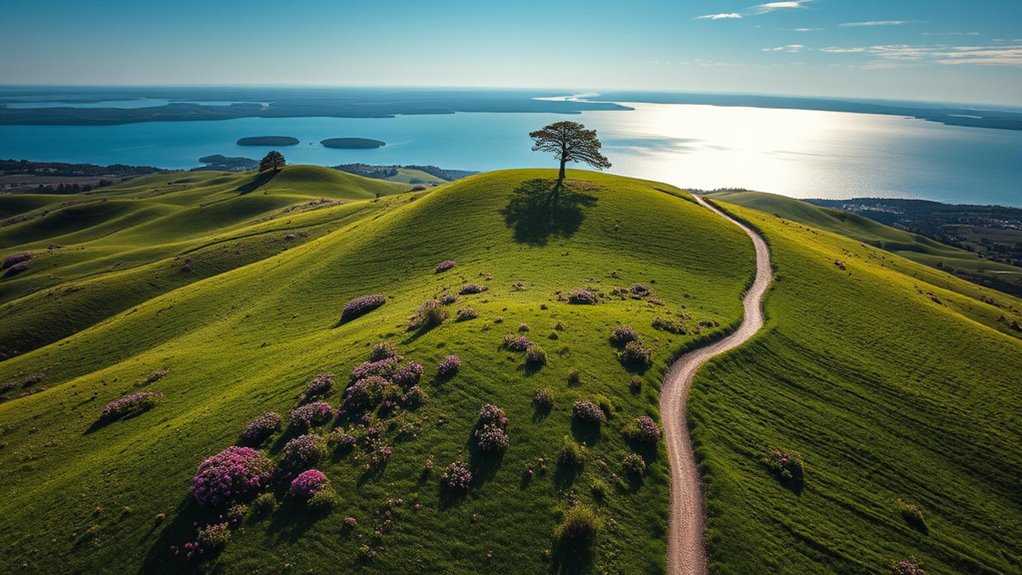
Drone photography opens exciting new ways to explore perspectives you cannot achieve from the ground. It lets you capture stunning aerial views, revealing hidden patterns in landscapes, architecture, and nature. By choosing creative angles and compositions, you can evoke powerful emotions and create compelling visual stories. Technology also offers smarter flight paths and better control, making your shots more dynamic and accessible. Keep exploring, and you’ll discover how these innovations can transform your aerial imagery in ways you never imagined.

Get art and craft supplies delivered free with Prime
- Fast, free delivery on millions of items
- Prime Video, Amazon Music and more included
- Member-only deals all year
Key Takeaways
- Drone photography offers innovative aerial perspectives that reveal hidden patterns and emphasize scale in landscapes and architecture.
- Strategic camera angles like high, low, or tilted shots influence the mood, drama, and emotional impact of images.
- Advanced drone technology enables access to difficult or expensive viewpoints, transforming ordinary scenes into extraordinary visuals.
- Integration of predictive modeling enhances drone navigation, optimizing flight paths for creative and efficient aerial photography.
- Exploring new perspectives with drones expands storytelling possibilities, combining technical skill with artistic vision for compelling visual narratives.
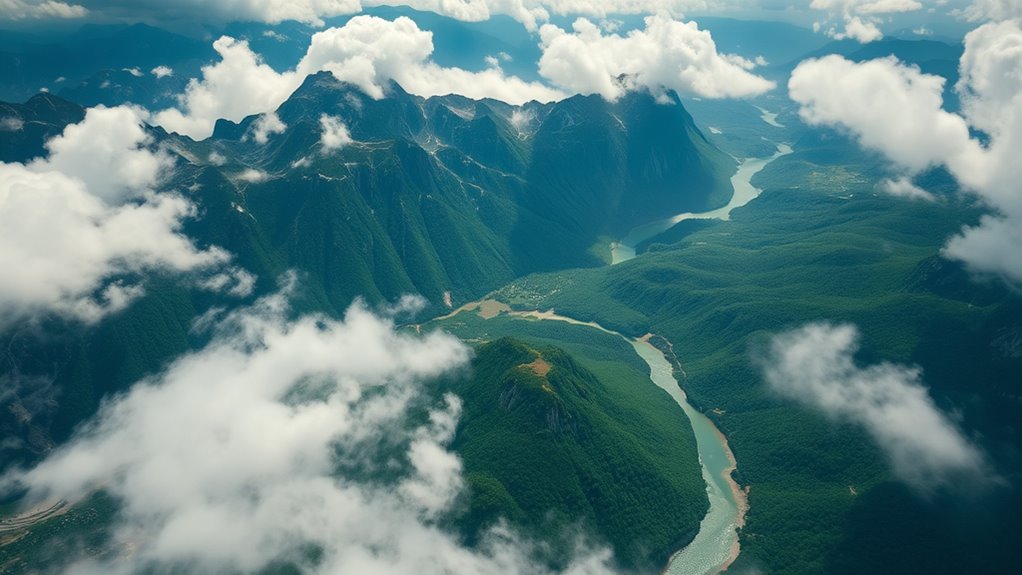
Have you ever wondered how drone photography is transforming the way we see the world? It’s remarkable how this technology opens up a new domain of visual storytelling, allowing you to capture scenes from perspectives previously impossible or difficult to achieve. When you’re flying a drone, you’re not just taking pictures; you’re creating a form of art that combines technical skill with a keen eye for aerial composition. The way you frame your shots, the camera angles you choose, and the height at which you fly all influence the story you tell and the emotion you evoke.
Aerial composition becomes a game of perspective. You can elevate your view to reveal patterns in nature, architecture, or landscapes that are hidden from the ground. With a drone, you’re not limited to the usual eye-level shots—you can soar high above a cityscape or sweeping countryside to capture expansive vistas that emphasize scale and grandeur. By thoughtfully arranging elements within your frame, you guide the viewer’s eye through the scene, highlighting symmetry, contrast, or movement. This control over composition allows you to craft images that are both visually striking and narratively compelling.
Camera angles play a crucial role in defining the mood and dynamics of your shots. Instead of static, eye-level images, you can experiment with high angles to create a sense of dominance or vastness. Low angles can add drama, making objects or subjects appear larger and more imposing. Tilted or oblique angles introduce a feeling of disorientation or energy, giving your photos a dynamic edge. The ability to switch between these angles on the fly means you can adapt to the environment and your creative vision seamlessly.
Furthermore, the versatility of drone cameras lets you capture unique perspectives that would otherwise require expensive equipment or access to hard-to-reach locations. Whether you’re photographing a winding river from above, capturing the intricate layout of a festival, or showcasing the symmetry of a garden maze, your choice of camera angles and aerial composition makes all the difference. It’s about seeing the world from that bird’s-eye view—an angle that transforms ordinary scenes into extraordinary visuals.
In addition, understanding predictive modeling in educational data mining can help in developing smarter drone navigation systems that optimize flight paths based on environmental data, making your aerial photography more efficient and dynamic. It’s this ability to see the world differently that makes drone photography such a powerful tool for artists, adventurers, and storytellers alike.
best drone for aerial photography
As an affiliate, we earn on qualifying purchases.
As an affiliate, we earn on qualifying purchases.
Frequently Asked Questions
What Are the Best Drones for Beginner Photographers?
For beginner photographers, the best drones are user-friendly with simple flight modes and adjustable camera settings. Look for models like the DJI Mini 2 or Air 2S, which offer intuitive controls and stable flight. These drones allow you to experiment with different flight modes and customize camera settings easily, helping you capture stunning shots while learning the basics of drone photography. They’re perfect for building your skills without overwhelming complexity.
How Do Weather Conditions Affect Drone Photography?
Weather impacts your drone’s flight stability, much like wind can sway a fragile leaf, challenging your control. Rain, fog, and strong winds threaten clear captures and safe flying, symbolizing chaos that disrupts your vision. Sunny weather offers calm skies, ensuring steady flights and sharp photos. Always check the forecast, as adverse weather can compromise safety and image quality, reminding you that nature’s mood influences your creative journey from above.
What Legal Restrictions Exist for Drone Photography?
You need to follow airspace regulations and respect privacy concerns when doing drone photography. Check local laws about where you can fly your drone, especially near airports or restricted zones. Always get permission if you’re photographing private property or individuals to avoid privacy violations. Staying informed about legal restrictions helps you capture stunning shots without risking fines or legal trouble. Keep safety and respect at the forefront of your drone photography practice.
How Can I Improve My Drone Camera’s Image Quality?
Think of your drone camera as a painter’s brush—precision matters. To improve image quality, start with sensor calibration to fine-tune color and exposure. Then, choose the right lens for your shot; a wider lens captures sweeping vistas, while a telephoto zooms in on details. Regular maintenance and using high-quality settings also sharpen your images, transforming your drone footage into stunning visual stories that captivate and inspire.
What Are Some Creative Editing Tips for Drone Photos?
To enhance your drone photos creatively, focus on strong aerial composition by experimenting with unique angles and foreground elements. Use color grading to emphasize mood or highlight details, adjusting contrast and saturation for a more vibrant or cinematic look. Play with shadows and light to add depth, and consider cropping or layering images for dynamic effects. These editing tips help transform your shots into compelling, professional-quality aerial images.
As an affiliate, we earn on qualifying purchases.
Conclusion
As you continue to explore drone photography, you’ll discover breathtaking perspectives that were once impossible. With each flight, you open a new way to see the world, capturing moments from angles only a bird could dream of—no flying carpet needed. Remember, even as you embrace this modern marvel, don’t forget to respect local laws and privacy. So, gear up, take off, and let your creative spirit soar—like a true Renaissance explorer, but in the sky!
drone with intelligent flight modes
As an affiliate, we earn on qualifying purchases.
As an affiliate, we earn on qualifying purchases.
professional drone for landscape photography
As an affiliate, we earn on qualifying purchases.
As an affiliate, we earn on qualifying purchases.
Columbus Day / Indigenous Peoples' Day Picks
long weekend sales
As an affiliate, we earn on qualifying purchases.