
Mixed reality performances blend physical and virtual elements to create immersive, interactive experiences you actively participate in. Using MR headsets or devices, you become part of storytelling, influencing the outcome and exploring layered virtual landscapes. These performances turn passive spectatorship into dynamic events, pushing boundaries of traditional entertainment. As technology advances, you’ll see even more sophisticated, personalized experiences that deepen engagement and explore new storytelling horizons—continue exploring to discover how this evolving art form transforms live performance.
Key Takeaways
- MR performances integrate physical environments with virtual elements, creating immersive, layered experiences that enhance engagement.
- Audience members actively participate through MR devices, influencing storytelling and performance outcomes in real time.
- Dynamic storytelling adapts based on user interaction, fostering exploration and personalized narrative paths.
- The blend of physical and virtual elements transforms traditional passive viewing into collaborative, interactive events.
- Technological advancements enable more sophisticated, sustainable MR performances that expand creative possibilities.

Have you ever wondered how technology is transforming live performances? Mixed reality (MR) is at the forefront of this revolution, seamlessly blending physical and virtual elements to create immersive experiences. When you attend a mixed reality performance, you’re not just a passive viewer—you become an active participant in a story that unfolds around and within you. This fusion of real and digital worlds opens up exciting possibilities for interactive storytelling, where your choices and reactions influence the narrative in real time. Unlike traditional theater or concerts, MR performances invite you to step into a layered environment, where holographic characters might interact with physical actors, or virtual landscapes extend beyond the stage, wrapping around you. This heightened sense of presence keeps you engaged in ways that were previously unimaginable.
Mixed reality transforms live performances by making viewers active participants in immersive, interactive stories that blend real and virtual worlds.
Audience engagement takes on a whole new level in mixed reality performances. As a spectator, you’re no longer confined to watching from afar; instead, you’re embedded within the story, often encouraged to explore, interact, or even influence the outcome. This participatory approach transforms the audience from mere observers into active co-creators of the experience. For example, you might don a mixed reality headset or use a mobile device to see virtual objects or characters that respond to your movements, gestures, or voice commands. These interactions deepen your emotional connection to the performance, making the experience personal and memorable. The boundaries between performer and spectator blur, fostering a sense of shared creation and spontaneity.
The power of interactive storytelling in MR lies in its ability to adapt to your presence and input. Performers and creators can craft narratives that shift dynamically based on how you choose to engage. This not only enhances engagement but also encourages curiosity and exploration, as you’re motivated to discover different story paths or outcomes. The technology also offers creators new tools for visual storytelling—augmented visuals, virtual effects, and spatial audio that work together to heighten immersion. Because the audience is part of the environment, the storytelling becomes more visceral and immediate, drawing you deeper into the narrative fabric. Additionally, advancements in sustainable technology are beginning to influence the development of MR equipment, making these experiences more eco-friendly and accessible.
In this evolving landscape, mixed reality performances redefine what it means to experience live art. They turn passive spectatorship into active participation, making every performance unique to each attendee. With interactive storytelling and enhanced audience engagement, MR transforms traditional entertainment into a collaborative, dynamic event. As technology continues to advance, expect these performances to become even more sophisticated, allowing you to step beyond the role of a viewer and into the story itself, where your presence shapes the experience in real time.

Meta Quest 3 512GB | VR Without Wires — Gorilla Tag Cardboard Monkenaut Bundle — Amazon Exclusive— Access to 100+ Games with a 3-Month Trial of Meta Horizon+ Included
- Exclusive Gorilla Tag Bundle: Includes Gorilla Space Suit, Helmet, and Rocks
- Enhanced Resolution: Nearly 30% higher with 4K+ Infinite Display
- Wireless VR Experience: Play untethered for maximum freedom
As an affiliate, we earn on qualifying purchases.
As an affiliate, we earn on qualifying purchases.
Frequently Asked Questions
What Technical Skills Are Needed to Create Mixed Reality Performances?
To create mixed reality performances, you need technical skills in augmented creativity and immersive design. You should be comfortable working with software like Unity or Unreal Engine, and have knowledge of 3D modeling, programming, and sensor integration. Understanding hardware such as VR headsets and motion trackers is essential. These skills enable you to craft seamless experiences that blend physical and virtual elements, enhancing the audience’s engagement and overall immersive experience.
How Do Audiences Typically Interact With Mixed Reality Shows?
You feel the thrill as the audience becomes part of the experience, engaging actively through gestures, movement, or even voice commands. They’re immersed at different levels, from simply observing to interacting directly with virtual elements. This heightened engagement transforms passive viewers into participants, creating a dynamic connection that keeps them captivated and curious. Their interaction shapes the performance, making every moment unpredictable and deeply personal, elevating the entire experience.
What Are the Common Challenges Faced During Mixed Reality Production?
You face challenges like hardware limitations that can affect performance quality and content complexity that demands precise synchronization between virtual and physical elements. These issues can cause lag, glitches, or disjointed experiences. To overcome them, you need to optimize hardware, simplify content, and test thoroughly. Staying updated with new technology and collaborating with skilled professionals can help you navigate these hurdles, ensuring a smoother mixed reality production.
How Accessible Are Mixed Reality Performances for Disabled Audiences?
Think of mixed reality performances as a bridge to new worlds. You might find them quite accessible if they incorporate assistive technologies like subtitles, audio descriptions, and haptic feedback. However, accessibility barriers still exist, making it harder for disabled audiences to fully enjoy the experience. Developers are working to improve this, but you should always check for specific accommodations to make sure everyone can cross the bridge effortlessly.
What Future Innovations Are Expected in Mixed Reality Entertainment?
You can expect future innovations in mixed reality entertainment to include more realistic virtual avatars and enhanced immersive storytelling. These advancements will make experiences feel more authentic and engaging, allowing you to interact seamlessly with virtual characters and environments. As technology evolves, you’ll enjoy more personalized, dynamic performances that blend physical and virtual elements, creating richer, more enthralling entertainment experiences tailored to your preferences and needs.

RayNeo Air 4 Pro AR/XR Glasses, HDR10 201" Virtual Display, 120Hz 3D Movie & Gaming Video Display, USB-C Plug & Play for iPhone 17/16/15, Android, Switch 2, PS5, Steam Deck
- HDR10 Virtual Display: 201-inch immersive virtual screen with 10B colors
- AI SDR-to-HDR Upscaling: Enhances color, sharpness, and motion clarity
- 120Hz 3D Video Playback: Smooth, lag-free 3D movies and gaming
As an affiliate, we earn on qualifying purchases.
As an affiliate, we earn on qualifying purchases.
Conclusion
As you step into these mixed reality performances, you become a traveler between worlds—where the tangible and virtual dance in harmony like stars and shadows on a moonlit night. This fusion crafts an experience that’s as mesmerizing as a dream woven with threads of technology and artistry. Embrace the magic unfolding before your eyes, for in this domain, reality is not just seen but felt, like a symphony that echoes in your very soul.
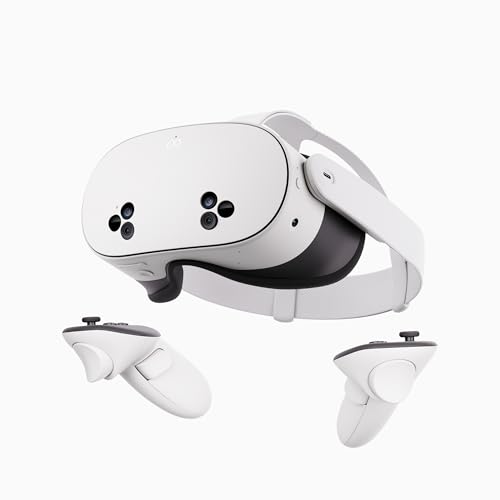
Meta Quest 3S 128GB | VR Headset — Thirty-Three Percent More Memory — Virtual Reality Without Wires — Access to 40+ Games with a 3-Month Trial of Meta Horizon+ Included (Renewed Premium)
- Wireless VR Experience: Untethered gaming and exploration
- Enhanced Graphics Power: Twice the processing for smooth visuals
- Immersive Virtual Reality: Blend virtual objects with real space
As an affiliate, we earn on qualifying purchases.
As an affiliate, we earn on qualifying purchases.

The Wakanda Files: A Technological Exploration of the Avengers and Beyond – Includes Content from 22 Movies of MARVEL Studios
As an affiliate, we earn on qualifying purchases.
As an affiliate, we earn on qualifying purchases.