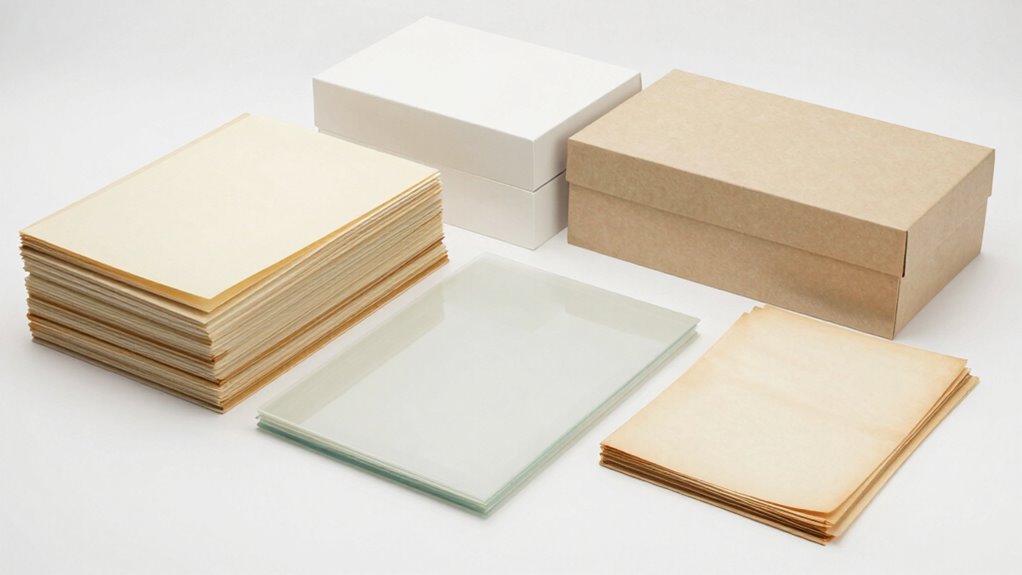

To keep paper documents safe for the long term, choose acid-free, pH-neutral or alkaline storage materials like folders, boxes, and sleeves. Avoid plastics containing PVC or harmful chemicals, stained or bleached papers, and adhesives that yellow or weaken fibers. Use stable, inert supplies such as polyethylene or archival-quality cardboard. Properly stored in a cool, dark, dry environment, these materials help prevent deterioration; exploring more will guide you in making the best choices for preservation.
Key Takeaways
- Use acid-free, pH-neutral or slightly alkaline materials like archival folders, boxes, and polypropylene sleeves for safe storage.
- Avoid plastics containing PVC, non-archival plastics, or materials with lignin and sulfur that can emit harmful acids.
- Choose stable, inert materials labeled “archival” or “acid free” to ensure long-term preservation.
- Refrain from using adhesive tapes, bleached papers, or colored papers that may transfer dyes or acids to documents.
- Store collections in cool, dry, dark environments, and handle items with inert, non-acidic inks and adhesives.

Lineco, Archival Storage Cartons, Ready-To-Assemble, for Documents or Photos, Acid-Free, Buffered Corrugated Board, 12 x 15 10 in, Tan, Pack of 5
Lineco is a leading manufacturer of archival storage for conservation of photos, documents, and artwork. Trusted by museums…
As an affiliate, we earn on qualifying purchases.
As an affiliate, we earn on qualifying purchases.
What Makes Storage Materials Safe for Paper Archiving?
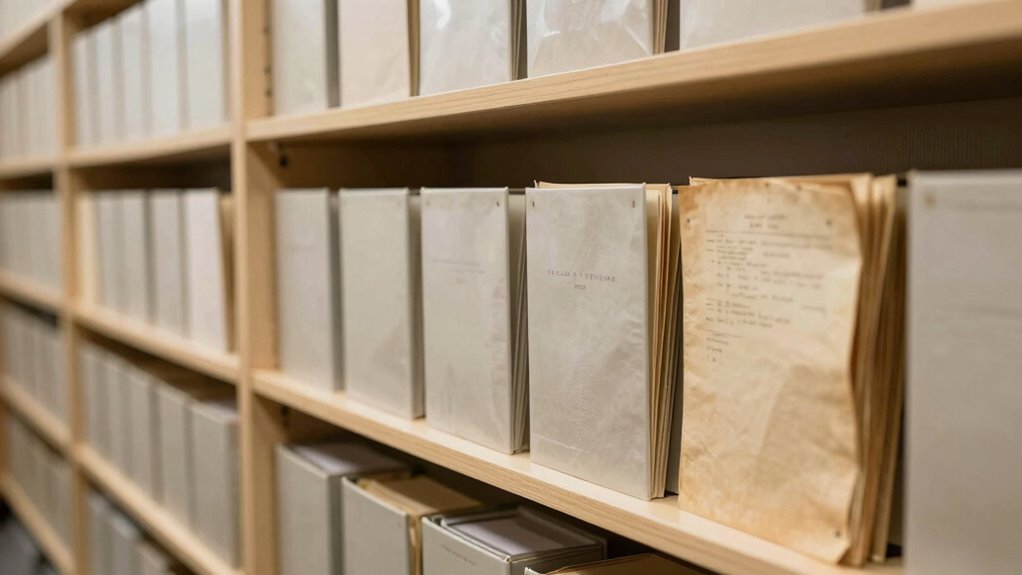
To guarantee your paper archives remain intact over time, the storage materials you choose must meet specific safety standards. Using acid-free papers is essential because acids can accelerate cellulose degradation, weakening paper fibers and causing yellowing or brittleness. Acid-free papers are pH-neutral or slightly alkaline, which helps preserve the paper’s integrity for decades. Avoid materials that contain lignin or other acidic substances, as they can promote deterioration. Proper storage materials prevent environmental contaminants from accelerating cellulose degradation, ensuring your documents stay stable. Selecting the right supplies means prioritizing acid-free, lignin-free options that create a stable, long-lasting environment. Additionally, incorporating alkaline buffering agents can provide extra protection against acidity and help maintain a neutral pH over time. These buffering agents act as a protective barrier, neutralizing acids that may develop over time and further safeguarding your archives from the silent damage caused by acidic materials and ensuring their preservation over time. Employing these materials promotes a long-term preservation, which is crucial for maintaining the historical and informational value of your documents. Incorporating climate-controlled storage environments can also reduce the risk of deterioration caused by temperature fluctuations and humidity, further extending the lifespan of your archived papers.
Lineco, Archival Storage Cartons, Ready-To-Assemble, for Documents or Photos, Acid-Free, Buffered Corrugated Board, 12 x 15 10 in, Tan, Pack of 5
Lineco is a leading manufacturer of archival storage for conservation of photos, documents, and artwork. Trusted by museums…
As an affiliate, we earn on qualifying purchases.
As an affiliate, we earn on qualifying purchases.
How to Identify Genuine Archival-Quality Storage Supplies
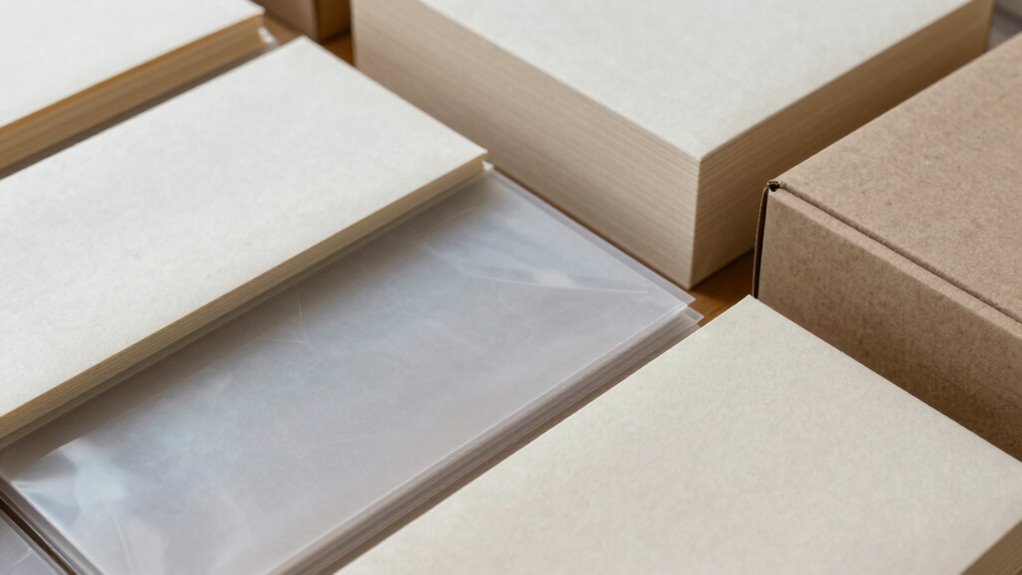
Identifying genuine archival-quality storage supplies requires careful attention to their labels and materials. Look for products labeled as acid free paper, which prevents deterioration caused by acidity. Authentic archival paper should have a neutral or alkaline pH and be free of lignin and sulfur compounds. When inspecting storage materials, check for polyethylene film, a stable, inert plastic that offers excellent protection against moisture and dust. Genuine archival supplies will clearly indicate their quality and purpose, often marked “archival” or “acid free.” Avoid any supplies that lack proper labeling or use materials like PVC or other plastics known to emit harmful chemicals over time. Ensuring your storage supplies meet these standards guarantees your documents are protected with materials proven safe for long-term preservation. Proper understanding of archival materials can significantly extend the lifespan of your stored documents.

KTRIO Sheet Protectors 8.5 x 11 Inch, Clear Top Loading Page Protectors for 3 Ring Binder, Polypropylene Plastic Sleeves, Letter Size Document Protectors, Office & Home, 50 Pack
Letter Size Fit: Designed for standard 8.5 x 11 inch documents. Each sleeve fits 1–2 sheets depending on…
As an affiliate, we earn on qualifying purchases.
As an affiliate, we earn on qualifying purchases.
Materials to Avoid When Preserving Paper Documents
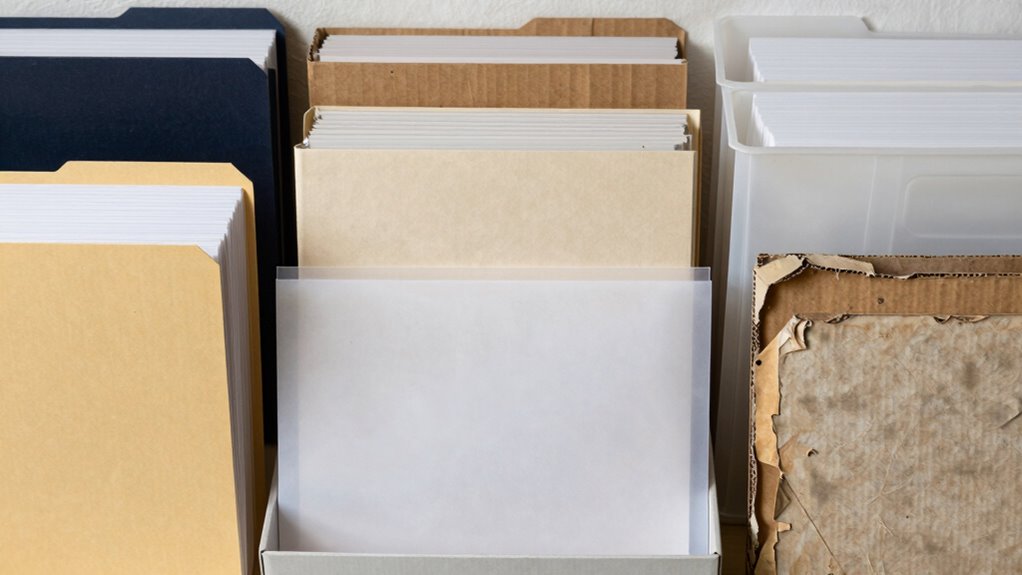
When preserving paper documents, it’s crucial to avoid materials that can cause long-term damage. Many common items can harm your documents over time. Be cautious of:
Avoid common materials like adhesives and plastics that can damage paper documents over time.
- Chemical adhesives that yellow, stain, or weaken paper fibers
- Non-acidic plastics that can off-gas harmful chemicals
- PVC plastics, which release acids and plasticizers detrimental to paper
- Bleached or colored papers that may transfer dyes or acids
- Adhesive tapes with acrylic or rubber bases that degrade and become brittle
- Proper storage materials are essential to prevent chemical reactions that could compromise your documents over time. Selecting acid-free materials helps to maintain the integrity of stored papers and prevent deterioration. Using appropriate archival supplies ensures long-term preservation and reduces the risk of chemical damage.
- Using inappropriate materials can accelerate deterioration, leading to irreversible damage. Always check labels and avoid products not specifically designed for archival purposes. Protect your documents by steering clear of these harmful substances, ensuring their longevity for future generations. Additionally, understanding Free Floating materials can help you select safer options for preservation. Being aware of Material Compatibility is essential to prevent chemical reactions that could compromise your documents over time.

RYKOMO 100 Sheets 24 x 36 Inch Acid Free Archival Tissue Paper Unbuffered No Acid Paper White Packing Tissue Papers for Preserving Clothing Storage Festival Mother's Day Arts Craft Decoration
Abundant quantity: This bulk pack includes 100 sheets of tissue paper bulk, ensuring you have an ample supply…
As an affiliate, we earn on qualifying purchases.
As an affiliate, we earn on qualifying purchases.
Best Archival Storage Materials for Paper Preservation
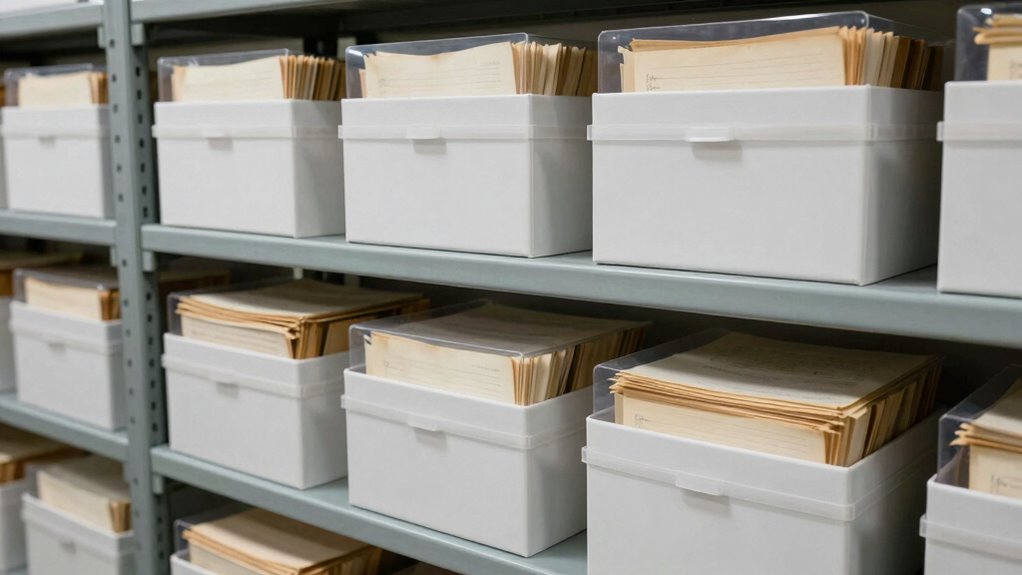
Choosing the right archival storage materials is essential for safeguarding paper documents over the long term. Look for acid-free storage options, as acids can cause paper to become brittle and deteriorate faster. pH neutral materials are also critical because they maintain a stable environment, preventing acid migration and chemical reactions that damage documents. Use acid-free folders, boxes, and sleeves made from archival-quality cardboard or polypropylene. These materials won’t introduce harmful acids or chemicals. Guarantee your storage containers are labeled clearly and stored in a cool, dry, and dark environment to maximize preservation. Avoid materials like wood, cardboard with acidic coatings, or non-archival plastics, which can emit acids over time. Selecting proper, acid-free, pH neutral storage materials is your best defense against long-term paper deterioration. Additionally, material stability plays a crucial role in ensuring that storage materials do not break down or release harmful substances over time, further protecting your documents. Ensuring your storage materials have proven long-term durability can help maintain their protective qualities over decades.
Practical Tips for Using Safe Storage Materials and Long-Term Preservation
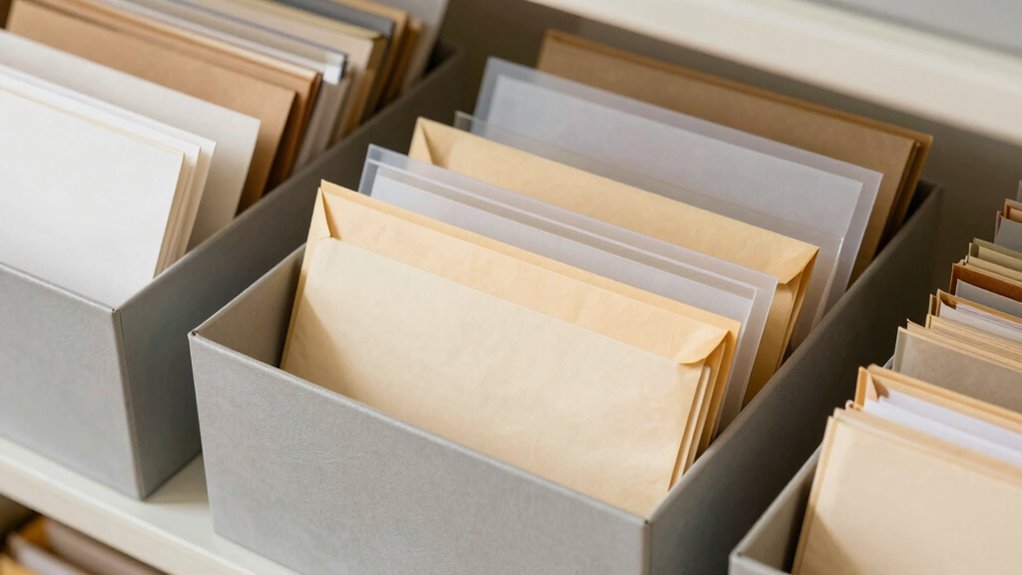
To guarantee your documents remain protected over time, it’s essential to use your storage materials correctly and follow best preservation practices. Always choose acid-free adhesives for repairs or mounting to prevent deterioration. Use polyester sleeves to encase fragile items—these transparent, inert covers shield documents from handling damage. Keep storage areas cool, dry, and away from direct light to slow degradation. Label materials with inert, non-acidic inks, avoiding pens that contain harmful chemicals. Regularly inspect your collection for signs of deterioration or pests. Remember, proper storage isn’t just about materials but also about handling and environment. Proper storage conditions are critical for long-term preservation, as environmental factors significantly influence the aging process of paper. Additionally, understanding acid-free materials can help you select the safest options for safeguarding your collection over decades. Selecting archival-quality storage can further enhance the longevity of your collection. Implementing these practices ensures your paper documents stay safe for generations to come, especially when combined with vetted storage materials designed specifically for archival purposes. Incorporating environmentally controlled storage environments can further minimize risks caused by fluctuations in humidity and temperature.
Frequently Asked Questions
How Can I Test if a Storage Material Is Truly Archival Quality?
To test if a storage material is truly archival quality, start with pH testing. Use a pH meter or test strips to check if the material is acid-free, ideally with a pH of 7 or higher. Also, examine the material composition—archival materials should be free of lignin, sulfur, and other acids. If both tests indicate neutral or alkaline pH and safe composition, your storage material is likely archival quality.
Are There Eco-Friendly Archival Storage Options Available?
Yes, eco-friendly archival storage options exist. You can choose biodegradable plastics and recycled fibers, which break down naturally without harming the environment, unlike traditional materials. Imagine your precious papers safely stored in containers made from recycled fibers that reduce waste. These sustainable options provide both protection and peace of mind, ensuring your collection stays preserved while supporting eco-conscious practices. Opt for these environmentally friendly choices to make a positive impact.
What Are the Cost Differences Between Various Archival Materials?
You’ll find that affordable storage options, like standard acid-free folders and boxes, generally cost less than premium archival materials, which use higher-quality, pH-neutral or buffered paper. While premium options offer better long-term protection and conservation, they come at a higher price. Balancing your budget with your preservation needs helps you choose the right materials, ensuring your paper remains safe without overspending.
Can Non-Archival Materials Damage Paper Over Time?
Surprisingly, non-archival materials can cause more damage over time than you’d think. You might assume they’re harmless, but acid migration from cheap supplies accelerates chemical degradation of your paper. Ironically, what seems like a safe choice can silently weaken your documents, leading to brittleness and discoloration. So, if you want your papers to last, avoid non-archival materials—they’re often more harmful than you realize.
How Often Should I Inspect Stored Paper Documents for Preservation?
You should inspect your stored paper documents at least once a year for preservation. During these checks, perform document rotation to prevent deterioration, replacing any damaged items and ensuring storage conditions remain ideal. Incorporate preservation scheduling into your routine to catch issues early and maintain the integrity of your collection. Regular inspections help identify problems before they become irreversible, ensuring your documents stay safe for the long term.
Conclusion
Think of your paper collection as a treasured garden. Using the right archival materials is like planting sturdy, healthy soil—nurturing your documents to thrive for generations. Avoid harmful supplies as weeds that can choke their growth. With careful choices and proper preservation, your papers will flourish, standing strong against time’s march. Protecting your archive is an act of love—ensuring your history blossoms beautifully long into the future.