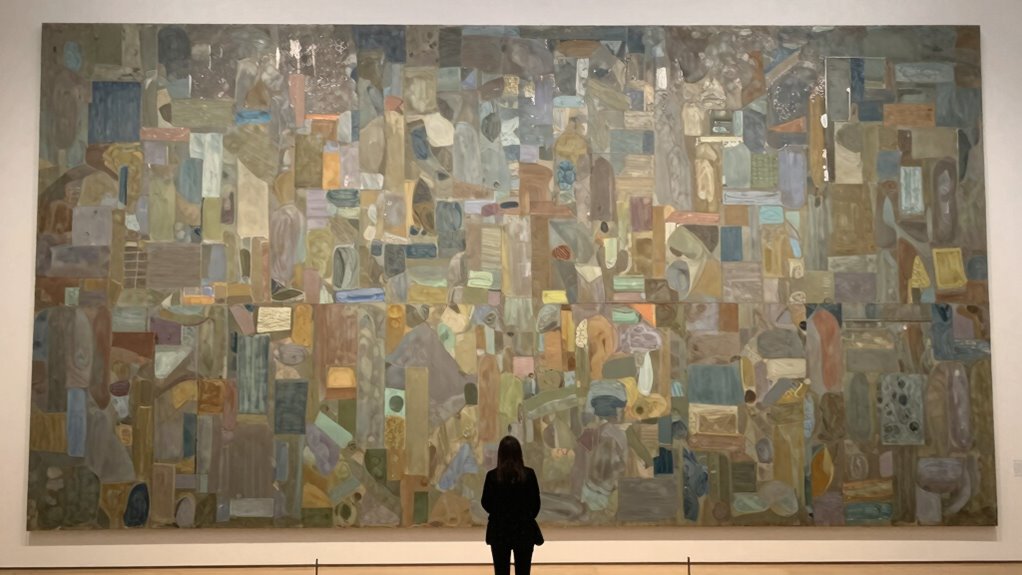

When you stand close to big art, you notice intricate details and textures that create intimacy and appreciation for craftsmanship. Stepping back allows you to see the artwork’s full scale, evoking feelings of awe and sublimity. Your brain interprets size and space differently depending on your distance, influencing how powerful and majestic the piece feels. Want to explore how adjusting your distance can deepen your connection and experience? Keep exploring for more insights.

Get art and craft supplies delivered free — and shop member deals
- Fast, free delivery on millions of items
- Access to Prime Big Deal Days deals on October 6–7
- Prime Video, Amazon Music and more included
Key Takeaways
- Larger artworks evoke awe and sublimity by leveraging the innate human response to vastness and scale.
- Viewing distance influences emotional reactions, with distant views emphasizing grandeur and close-ups highlighting craftsmanship.
- The perception of power in big art is enhanced when viewers experience it from afar, filling in details through imagination.
- Proximity allows detailed exploration, fostering personal connection, emotional engagement, and appreciation of craftsmanship.
- Adjusting viewing distance strategically can heighten emotional impact, emphasizing either scale or intricate details.
As an affiliate, we earn on qualifying purchases.
What Is the Psychology Behind Viewing Distance and Art Size?
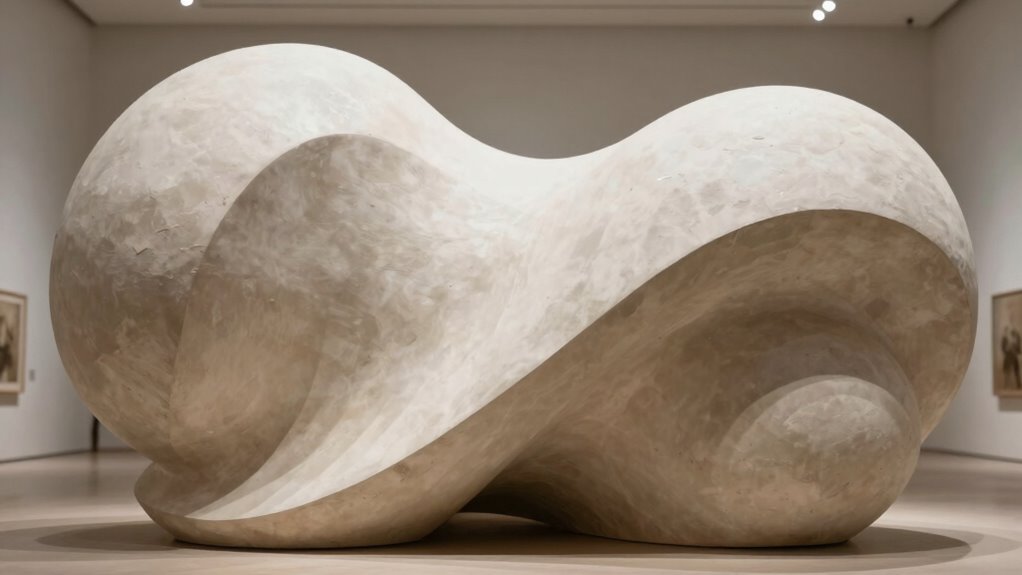
Have you ever wondered why some artworks are designed to be viewed from a distance while others invite closer inspection? It all ties back to artistic intention and viewer psychology. Larger pieces often aim to evoke awe and command presence, encouraging viewers to step back and take in the entire composition. This distance allows the artist to shape a powerful, collective experience, emphasizing grandeur and scale. Additionally, visual perception plays a crucial role in how viewers interpret and respond to artworks, highlighting the importance of presentation in digital and physical spaces. It is also important to consider how regulatory guidelines may influence the display and placement of large artworks in public settings. Smaller works may invite intimacy, encouraging you to explore details up close. Your perception shifts based on how the artist intends you to engage with the piece. The size and placement of art influence your emotional response, guiding you toward feelings of reverence, curiosity, or connection. Moreover, artistic composition influences how viewers emotionally connect with a piece, shaping the psychological impact of viewing distance. Understanding the perceptual effects of art size can help artists and curators intentionally craft experiences that resonate with viewers. Ultimately, the relationship between art size and viewing distance is a deliberate tool to shape your psychological experience.
As an affiliate, we earn on qualifying purchases.
Why Does Standing Close Reveal Details but Feel Less Overwhelming?
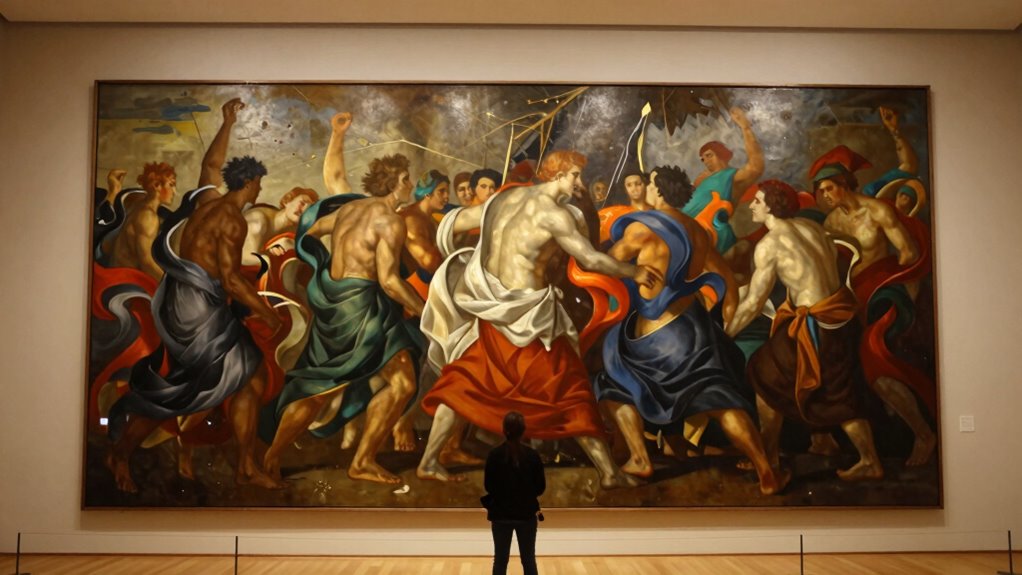
Standing close to an artwork allows you to see intricate details that you might miss from afar, making the experience more engaging. This proximity also creates a personal connection, as if the artwork is speaking directly to you. Surprisingly, being closer can reduce visual overload, making the details feel manageable rather than overwhelming. Additionally, visual balance can shift when viewing at different distances, influencing how the artwork is perceived and appreciated. When you adjust your viewing distance, it can also impact your perception of scale, altering how the artwork’s size and significance are interpreted. Such shifts in perception are supported by insights into vetted art psychology, which highlight how viewing context affects emotional response and interpretation. Moreover, viewing distance plays a crucial role in shaping our overall experience and understanding of art. Furthermore, understanding the capacity of your visual perception can enhance your appreciation and interpretation of artworks at various distances.
Revealing Intricate Details
Although viewing an intricate image up close reveals more details, it often feels less overwhelming than from a distance. When you get close, your scale perception shifts, allowing you to focus on tiny brushstrokes or fine textures that contribute to the overall piece. This enhances your detail appreciation, making the artwork feel more accessible and engaging. Instead of being daunted by the entire composition, you can zoom in on specific elements, creating a sense of intimacy and control. This focused view helps you connect with the artist’s craftsmanship without the sensory overload that can come from seeing the whole artwork at once. Ultimately, close-up observation transforms complex details into a manageable, even satisfying, experience. Additionally, understanding wall finishes and how they influence visual perception can deepen your appreciation of artwork in different settings.
Engaging Personal Connection
When you get close to an intricate artwork, your focus shifts from the overwhelming whole to specific details, creating a more personal connection. This proximity invites personal reflection, as you notice subtle textures, brushstrokes, or tiny features that might go unnoticed from afar. These details foster emotional resonance, making you feel more engaged and connected to the piece. Instead of feeling overwhelmed by the entire artwork’s scale, you find intimacy in its complexity. This close viewing transforms your experience from passive observation to active participation, allowing your mind to interpret and respond to the artwork on a deeper level. In this way, standing close helps you forge a meaningful, personal bond with the art, enriching your emotional and aesthetic experience. Additionally, visual perception can be influenced by factors like lighting and contrast, which shape how we interpret details and overall composition. Understanding personality traits can further enhance your appreciation by helping you recognize your own responses and preferences when engaging with art. Moreover, peripheral vision plays a role in how we experience the grandeur of large artworks from a distance, balancing the detailed focus of close-up viewing with the awe of the whole. Recognizing the impact of cultural background can also deepen your appreciation by providing context to different artistic styles and traditions.
Reducing Visual Overload
Getting close to an artwork allows your eyes to focus on specific details, which helps break down complex images into manageable parts. This proximity sharpens your spatial awareness, making the scene feel less overwhelming. When you’re near, the scale perception shifts—tiny brushstrokes and textures become clear, reducing the sense of chaos. Visual overload decreases because your brain processes smaller sections at once, easing cognitive strain. Imagine the artwork as a table:
| Near View | Distant View |
|---|---|
| Fine details emerge | Overall composition feels large |
| Textures and brushstrokes | Wide scale impression |
| Focus on specific elements | Less cluttered, spacious feeling |
| Reduced sensory input | Increased visual complexity |
Additionally, understanding decoding slang and informal language can help you better interpret visual cues and details in contemporary art. Recognizing how perceptual processing influences our interpretation of visual information can further enhance your appreciation of art at different viewing distances. A clear understanding of visual perception can also improve your overall engagement and response to artwork. Visual attention plays a crucial role in how we selectively focus on particular details, shaping our overall experience and interpretation of art. Moreover, awareness of neural mechanisms involved in visual perception can deepen your insight into how the brain interprets complex images.
art gallery lighting and display
As an affiliate, we earn on qualifying purchases.
As an affiliate, we earn on qualifying purchases.
How Does Distance Change Our Perception of Art’s Grandeur and Power?
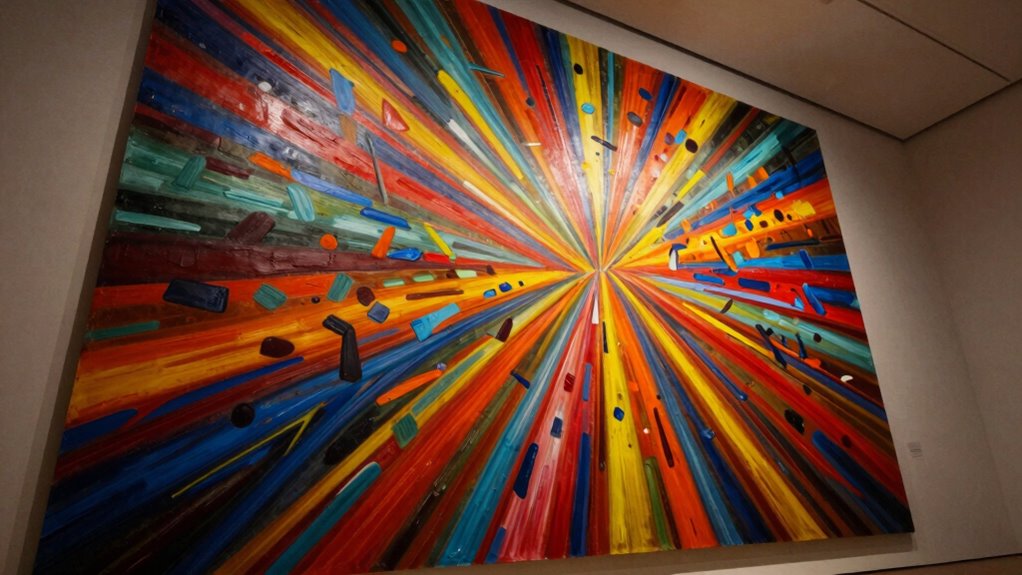
When you stand farther from a piece of art, its scale and visual impact often feel more impressive, emphasizing its grandeur. As your emotional distance increases, you might find yourself more receptive to the artwork’s power, even if it feels less immediate. How you perceive the art’s authority shifts with distance, shaping your overall experience and appreciation. Incorporating natural light into viewing spaces can further enhance this perception by highlighting the artwork’s features and creating a welcoming, cozy atmosphere. Additionally, understanding net worth growth hacks can offer insights into how personal investments might influence one’s ability to access exclusive art collections or experiences, which can also affect the perceived artistic value and its impact on viewers.
Visual Impact and Scale
The distance from which you view a piece of art considerably influences how its grandeur and power are perceived. When you’re close, details like brushstrokes and color perception stand out, emphasizing craftsmanship and subtle nuances. As you step back, the artwork’s scale becomes more apparent, creating a sense of vastness and dominance. Larger works often feel more impactful because their size amplifies visual impact and makes their presence overwhelming. The way colors blend and contrast shifts with distance, altering emotional resonance and intensifying feelings of awe. A big piece viewed from afar can evoke a sense of majesty, while up close, it invites intimate appreciation. Your perception of scale directly shapes how you experience the artwork’s power, making distance a fundamental element in its visual impact.
Emotional Distance and Engagement
As you change your emotional distance from a piece of art, your perception of its grandeur and power shifts accordingly. When you maintain a certain emotional distance, you can appreciate the artwork’s scale and majesty more objectively, allowing your mind to engage with its overall impact. Closer emotional engagement, however, often leads to a more personal connection, making the art feel more intimate and immediate. This heightened personal engagement can amplify feelings of awe or reverence, as you become more emotionally involved. Conversely, too much emotional distance might reduce the perceived power of the piece, making it seem less significant. Finding the right balance allows you to experience art’s grandeur without losing your emotional connection, enhancing both appreciation and personal meaning.
Perception of Power
Your perception of an artwork’s power and grandeur shifts considerably with your viewing distance. When you stand closer, details in scale and craftsmanship heighten your sense of awe, reinforcing the artwork’s dominance and influence. Conversely, viewing from afar allows your imagination to fill in gaps, amplifying the work’s overall impact and symbolic strength. This change in perception is rooted in viewer psychology, as distance influences your artistic interpretation—making the art feel either more intimate or more monumental. Larger artworks, seen from a distance, evoke feelings of power and majesty, while closer views reveal subtle nuances that deepen your engagement. Understanding how distance alters your perception helps you appreciate how physical space shapes your emotional response to art’s grandeur and authority.
As an affiliate, we earn on qualifying purchases.
Why Do Large Art Pieces Evoke Awe and a Sense of the Sublime?
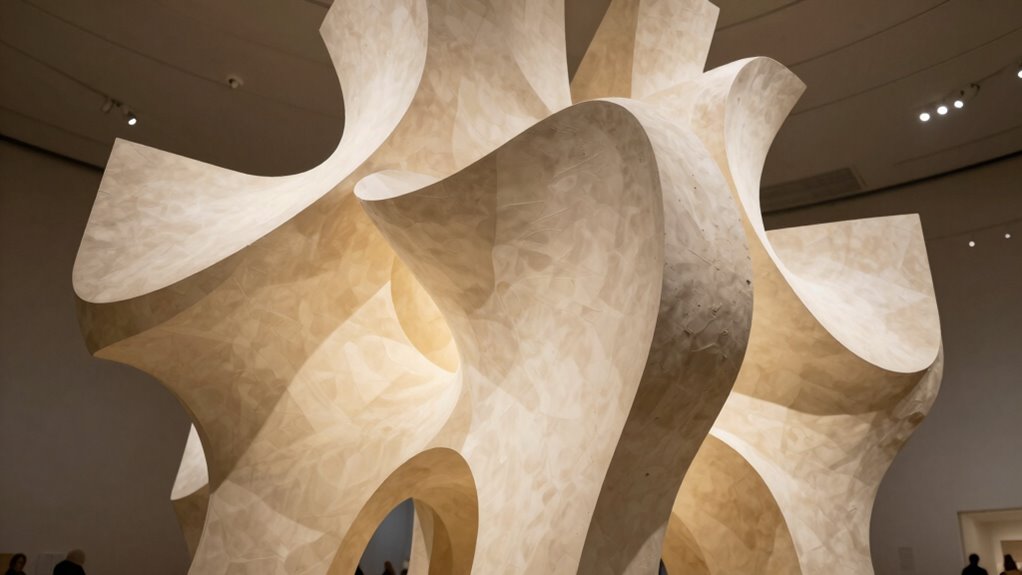
Have you ever felt a powerful sense of awe when looking at a massive piece of art? Large art pieces, like sweeping scenic landscapes or bold abstract impressions, tap into our instinctual reactions to vastness. They evoke the sublime by overwhelming our senses and challenging our perception of space. This feeling is rooted in how our brains process size and scale, triggering emotions tied to the infinite and the unknown. The table below highlights how size influences emotional response:
| Size Effect | Emotional Response | Example |
|---|---|---|
| Immensity | Awe and wonder | Mountain vistas |
| Scale | Power and insignificance | Abstract impressions |
| Grandeur | Sublimity | Expansive landscapes |
Large art pushes us beyond everyday limits, inspiring a mix of admiration and humility.
How Does Our Brain Interpret Size and Space in Art Settings?

When you view art, your brain actively interprets size and space by analyzing visual cues like proportion, depth, and perspective. Perceptual scaling allows you to gauge an artwork’s dimensions relative to your environment, helping you understand its magnitude. Cognitive framing influences how you interpret these cues, guiding your perception of spatial relationships within the piece. Your brain combines these signals to create a mental model of the artwork’s size, making it feel either intimate or vast. This process involves constant adjustment, as you compare visual information with your prior experiences and expectations. Ultimately, perceptual scaling and cognitive framing work together to shape your sense of spatial presence, affecting how powerful or immersive the artwork feels to you.
What Factors Influence How We Experience Big Art?
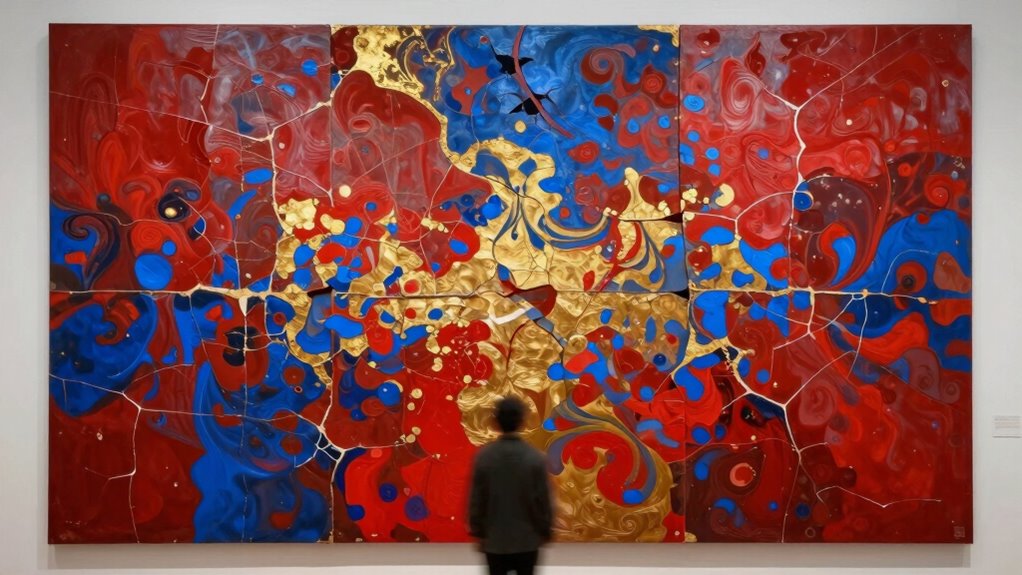
Several factors shape how you experience big art, influencing whether it feels overwhelming, awe-inspiring, or approachable. Your perception of scale plays a key role—how large or small the artwork appears affects your emotional response. When a piece seems massive, it can evoke feelings of awe or intimidation; when it feels more manageable, it may foster curiosity or comfort. Lighting, your viewing distance, and the context of the space also impact how you interpret the art’s size and power. Additionally, your personal background and mood influence how you respond emotionally. These elements combine to shape your overall experience, determining whether the artwork feels like a grand spectacle or an inviting encounter. Ultimately, your perception of scale and your emotional response are intertwined, guiding how you connect with big art.
Tips to Enhance Your Experience of Large Art Pieces
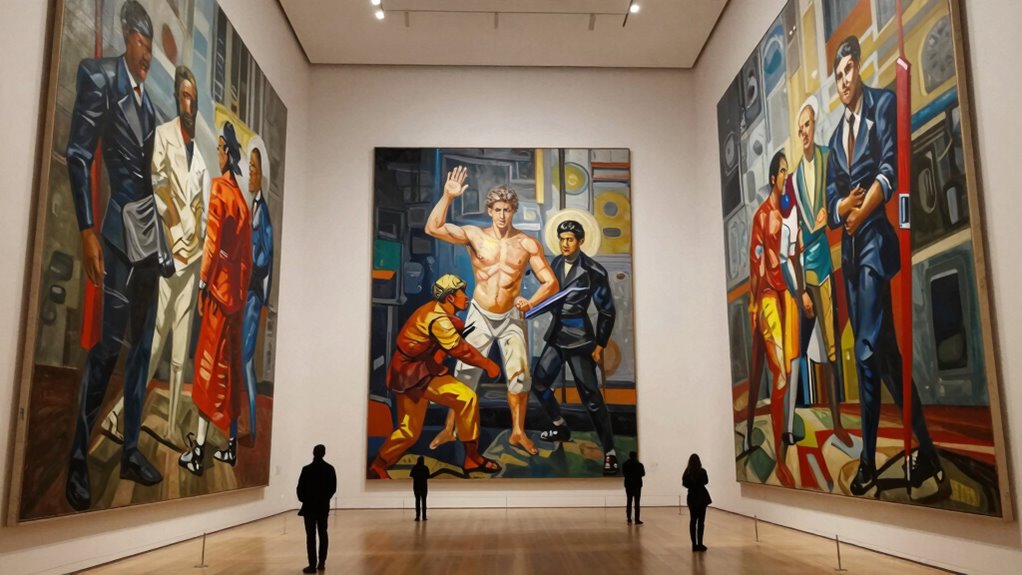
To truly appreciate large art pieces, it’s helpful to adjust your viewing approach rather than passively observing from a distance. Engaging with the art through intentional positioning can deepen your art appreciation and influence viewer psychology. Try moving closer to see intricate details or stepping back to grasp the overall composition. Experiment with different angles to discover how perspective shifts your emotional response. Additionally, spend time contemplating the scale and impact of the artwork, allowing your senses and mind to connect more deeply. These simple adjustments can make a significant difference in your experience.
Adjust your perspective—move closer, step back, and explore different angles to deepen your art experience.
- Approach the artwork from various distances to see different details
- Take your time to absorb both the details and the overall impression
- Consider your emotional response at different viewing points
- Reflect on how scale influences your connection to the art
Frequently Asked Questions
How Do Cultural Backgrounds Affect Our Perception of Large Art?
Your cultural background shapes how you perceive large art through cultural symbolism and artistic interpretation. You might see grandeur as power or divinity, influenced by your cultural symbols, or interpret the artwork’s meaning differently based on your cultural lens. This influences your emotional response and understanding of the piece. Recognizing these differences helps you appreciate diverse perspectives and deepens your engagement with big art across cultures.
Can Viewing Distance Influence Emotional Responses to Art?
Yes, viewing distance considerably influences your emotional response to art. When you stand closer, you perceive the scale more intimately, which can heighten your emotional impact and create a sense of connection. Conversely, stepping back allows you to grasp the overall composition, often amplifying feelings of awe. Your perception of scale shifts with distance, shaping how emotionally resonant the artwork feels to you.
What Role Does Lighting Play in Experiencing Large Artworks?
Lighting plays a vital role in experiencing large artworks by enhancing their impact. You’ll notice that an ambient glow creates a warm, inviting atmosphere, helping you connect emotionally. Spotlight contrast, on the other hand, highlights specific details and textures, drawing your eye and adding drama. Together, these lighting techniques influence how you perceive and feel about the art, deepening your overall experience and making the artwork more powerful.
How Do Personal Experiences Alter Our Perception of Art’s Scale?
Like a mirror reflecting your personal memory, your experiences shape how you perceive an artwork’s scale. When an art piece resonates emotionally, it feels more monumental, as if it’s speaking directly to your soul. Your emotional resonance amplifies the size, making you feel connected and small or grand, depending on the memories and feelings it evokes. Personal history transforms the way you interpret and experience art’s true magnitude.
Does the Type of Art Medium Impact the Feeling of Grandeur?
Yes, the art material and visual texture markedly impact the feeling of grandeur. If you encounter a sculpture with smooth, reflective surfaces, it amplifies its presence, making it feel more imposing. Conversely, textured paintings with bold brushstrokes or layered materials create a sense of depth and complexity, enhancing their power. The choice of medium shapes how you perceive size and importance, making the artwork more immersive and commanding.
Conclusion
Now that you understand how viewing distance shapes your experience, step closer or back to reveal new layers of meaning. Big art isn’t just visually stunning—it’s a gateway to awe-inspiring worlds that can blow your mind like a supernova. So, next time you stand before a massive masterpiece, remember: your perspective is your superpower. Embrace the distance and let the art’s power transform you into a explorer of the sublime universe within each piece.
Fall Picks
fall essentials
As an affiliate, we earn on qualifying purchases.