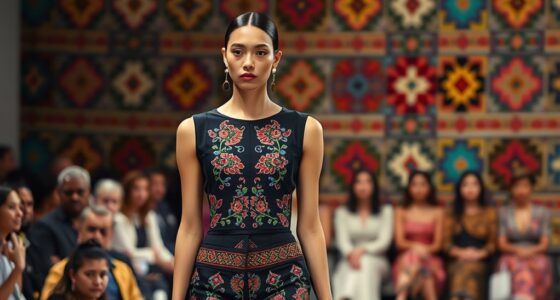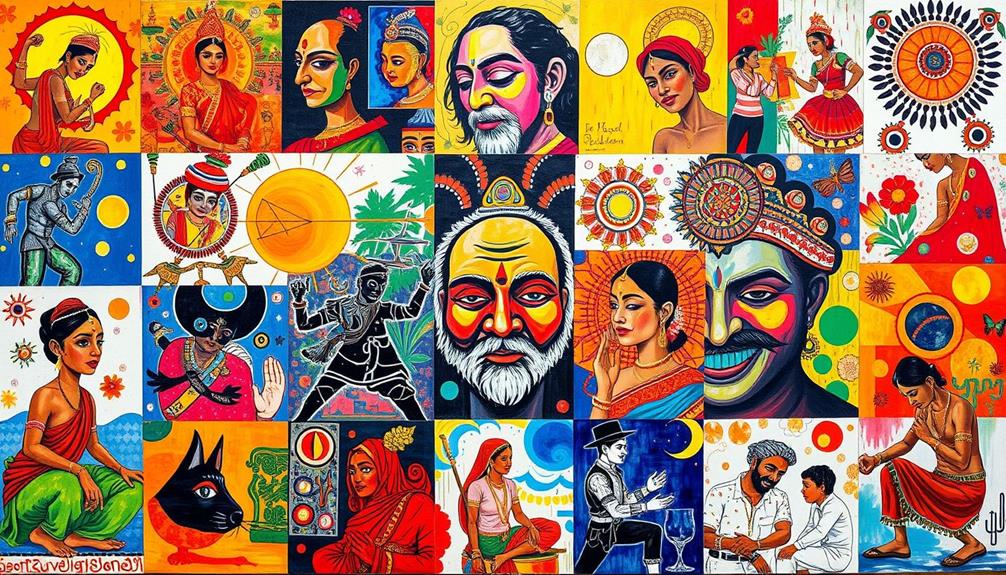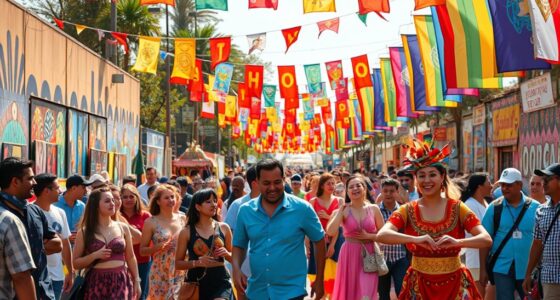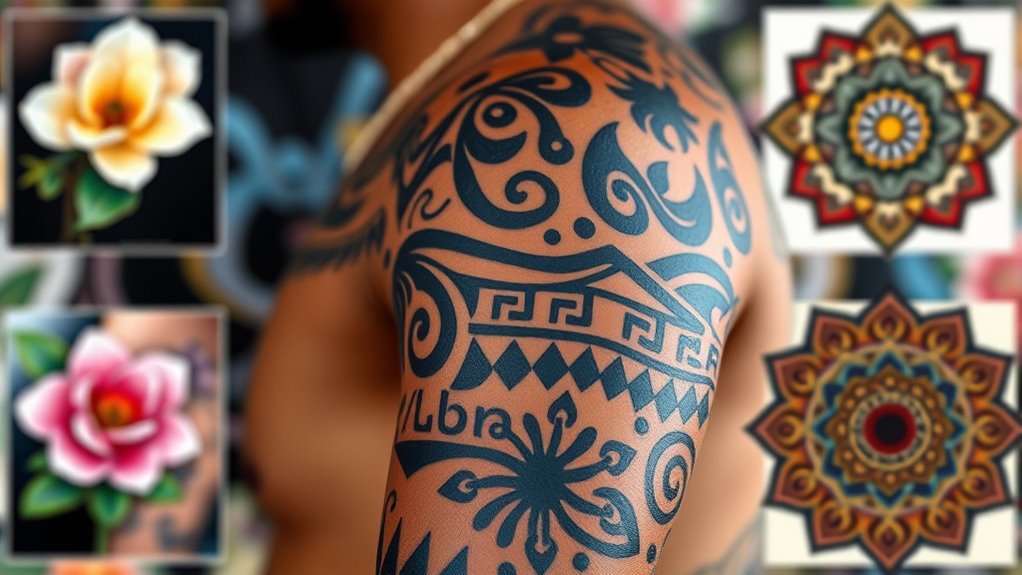

Tattoo art reflects cultural identity by serving as a visual language that shares your heritage, beliefs, and social ties. Around the world, traditional designs symbolize kinship, spirituality, and community roles, often acting as permanent markers of belonging. Modern adaptations blend ancient symbols with personal meaning, connecting you to cultural roots while allowing individual expression. By exploring this rich history, you’ll discover how tattoos honor your past and shape your identity in meaningful ways.
Key Takeaways
- Tattoos serve as symbols of cultural heritage, expressing beliefs, social connections, and community identity globally.
- Indigenous and tribal tattoo motifs convey layered meanings related to kinship, spirituality, and societal roles.
- Modern adaptations blend traditional symbols with contemporary styles, honoring heritage while allowing personal expression.
- Tattoos often act as markers of belonging, connecting individuals to their cultural history and ancestral roots.
- Cultural legacy is preserved through tattoo art, reflecting ongoing stories, traditions, and personal narratives worldwide.
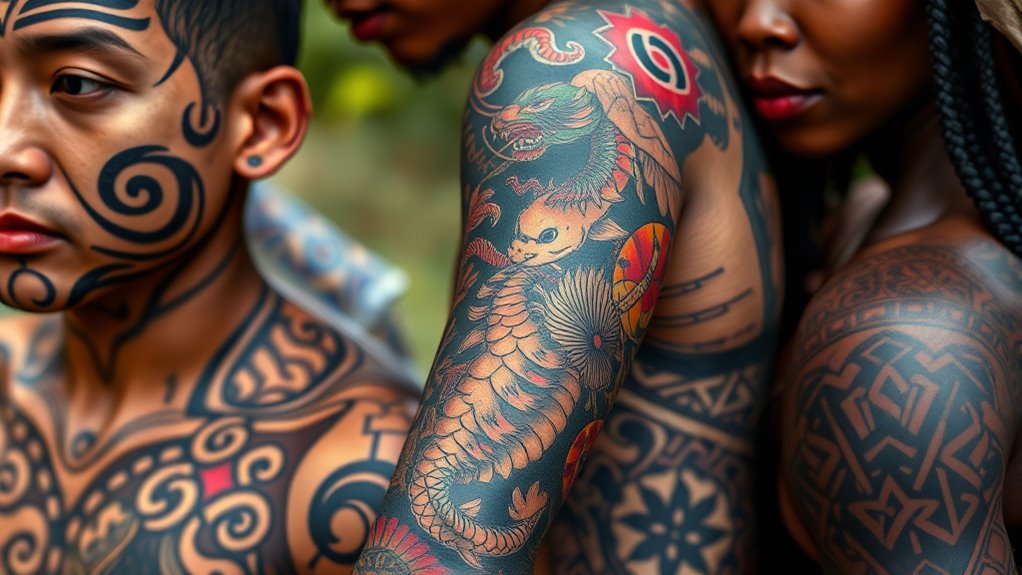
Tattoos have long served as powerful symbols of cultural identity, allowing individuals to express their heritage, beliefs, and social connections. When you choose a tattoo rooted in tribal symbolism, you’re tapping into a visual language that has conveyed meaning for generations. These designs often carry deep significance, representing kinship, spiritual beliefs, or societal roles within a community. For example, Polynesian tattoos feature intricate patterns that tell stories of ancestry and honor, while Native American symbols reflect a connection to nature and spiritual traditions. Such tattoos aren’t just decorative; they act as markers of your place within a cultural fabric, a permanent reminder of where you come from and what you stand for.
Tattoos as cultural symbols connect you to heritage, beliefs, and community history across generations.
In today’s world, you might see traditional tribal motifs adapted into modern interpretations, blending ancient symbolism with contemporary aesthetics. These modern takes serve multiple purposes: they honor heritage while allowing personal expression in a way that feels relevant and fresh. Artists often reimagine classic symbols, using bold lines, vibrant colors, or minimalist styles to create a unique piece that still respects its roots. When you opt for a modern interpretation of tribal symbolism, it shows your appreciation for cultural history while demonstrating how traditions can evolve. This fusion makes your tattoo a dynamic conversation starter—an homage to the past that resonates with your present identity.
The appeal of this approach lies in its versatility. Whether it’s a sleeve inspired by Maori moko, a geometric pattern inspired by African art, or a stylized crest from Indigenous North American tribes, these designs serve as bridges between cultures and eras. They often carry layered meanings, allowing you to interpret and personalize the symbolism according to your story or beliefs. Exploring the cultural significance of these symbols can deepen your understanding and connection to the heritage they represent. Additionally, understanding the contrast ratio of the tattoo ink and skin can impact how vivid and detailed the design appears over time. Incorporating traditional techniques in the tattooing process can also influence the durability and aesthetic quality of the design. The average ink retention of tattoos can vary depending on skin type and ink quality, affecting how well the symbols remain clear over years. Furthermore, awareness of skincare and aftercare is essential to maintaining the vibrancy and integrity of tattooed designs. As you explore these options, you’re not only making a statement about your individuality but also acknowledging and preserving a cultural legacy. It’s a way to connect with something larger than yourself, a visual dialogue with history that remains relevant in a modern context.
Ultimately, incorporating tribal symbolism through tattoos reflects a desire to stay connected to cultural roots while embracing contemporary art forms. The blend of tradition and innovation makes your tattoo not just a personal adornment but a meaningful emblem of identity. Whether you’re honoring ancestors or simply appreciating the artistry, your tattoo becomes a living testament to cultural expression, bridging the past and present in a way that’s uniquely yours.

Eognyzie Saddle Stool Rolling Chair, Lash Tech Stool Ergonomic Saddle Chair for Bar Salon Spa Tattoo Makeup Hair Stylists
【Ergonomic Design for Improved Posture and Reduced Pain】-- Experience a new level of comfort with our ergonomic saddle...
As an affiliate, we earn on qualifying purchases.
Frequently Asked Questions
How Do Tattoo Symbols Change With Globalization?
Globalization impacts tattoo symbols by encouraging their evolution and blending of styles. As you see diverse influences merging, symbols adapt to new meanings or combine traditional motifs with modern designs. This ongoing symbol evolution reflects a dynamic cultural exchange, making tattoos more globally interconnected. You might notice that what once held specific cultural significance now often carries personal or hybrid meanings, showcasing the profound influence of globalization on tattoo art.
Are There Universal Tattoo Designs Representing Cultural Identity?
Imagine you spot a tattoo that instantly feels familiar, yet its meaning could be lost in translation. Are there universal tattoo designs that truly symbolize cultural identity? While cross-cultural symbolism exists, most traditional motifs carry deeply rooted, specific meanings. It’s rare to find a design that universally represents cultural identity, because each culture’s symbols are woven with unique stories, symbols, and histories, making every tattoo a personal, cultural statement.
How Do Tattoo Practices Influence Cultural Preservation or Loss?
You see, tattoo practices serve as a essential link to cultural continuity, helping preserve traditions like the tattoo tradition. When you embrace or learn these practices, you actively support cultural preservation, preventing loss. Conversely, neglect or commercialization can weaken these traditions, risking cultural erosion. By respecting and practicing authentic tattoo rituals, you contribute to sustaining the cultural identity that these tattoos symbolize, ensuring they thrive for future generations.
What Role Do Tattoos Play in Modern Cultural Identity?
You see tattoos as powerful tools for cultural expression and identity today. Tattoo symbolism often carries deep meanings, representing personal beliefs, heritage, or community ties. In modern culture, tattoos help you express your individuality while honoring traditions. They serve as a visual language, connecting you to your roots or a larger cultural narrative, making tattoos an essential part of how you shape and communicate your cultural identity.
How Does Age Affect the Perception of Culturally Significant Tattoos?
You notice that age influences how people perceive culturally significant tattoos. Generational differences shape aesthetic preferences; older generations may see these tattoos as sacred, while younger ones might view them as fashion statements. As you observe, you realize that your own perception may shift over time, influenced by changing cultural values and personal experiences. This dynamic interplay highlights how age affects whether such tattoos are revered or seen as trendy.

V VDLONSY Saddle Rolling Chair Saddle Stool with Backrest Ergonomic Stool with Wheels Hydraulic Adjustable Soft Comfortable Cushion for Salon Tattoo Shop Spa Home Office Dentist Black
Ergonomic Saddle Stool: This saddle stool is designed to provide extra comfort for your back and spine, this...
As an affiliate, we earn on qualifying purchases.
Conclusion
As you explore different tattoo traditions, you’ll discover how they gently whisper stories of cultural pride and history. These inked symbols serve as tender reminders of identity, connecting you to a deeper sense of belonging. Embracing these art forms allows you to honor diverse heritages with subtle elegance. In doing so, you weave your own narrative into a rich tapestry of global expression, celebrating the beautiful complexity of human culture through the timeless language of tattoo art.

Coczeb Saddle Salon Stool with Footrest,Heavy Duty, Adjustable Height, Rolling Esthetician Chair for Tattoo Spa Medical Dentist Clinic (Black)
✅ 18.1" Extra-Wide Saddle Seat: Ergonomically contoured for superior comfort and weight distribution. Encourages proper posture to reduce...
As an affiliate, we earn on qualifying purchases.

Saddle Stool with Wheels Ergonomic - Thick Wide Saddle Cushion, Healthy Posture No Pain, Easy to Adjust, Smooth Rolling No Creaky Noises, Rolling Swivel Saddle Stool Chair for Salon Massage (Black)
ERGONOMIC UPGRADED: End your endless search on ergonomic rolling stool! Here comes the solution --- YEEZEE saddle stool!...
As an affiliate, we earn on qualifying purchases.