
Having a simple, well-organized art inventory is your best defense in a crisis. It helps you quickly locate valuable pieces, file insurance claims faster, and prove ownership if needed. Using both digital and physical records, along with clear labels and routine updates, keeps your collection protected. When an emergency strikes, your organized system makes recovery easier and minimizes loss. Keep going, and you’ll discover how to set up an effective inventory that saves you time and stress.

Get art and craft supplies delivered free with Prime
- Fast, free delivery on millions of items
- Prime Video, Amazon Music and more included
- Member-only deals all year
Key Takeaways
- An organized art inventory enables quick identification and recovery of artworks during crises or theft.
- Digital and physical records, including photos and detailed descriptions, ensure comprehensive documentation.
- Regular audits and updates prevent loss, damage, and inaccuracies, simplifying insurance claims and legal processes.
- Clear labeling and unique identifiers streamline tracking and retrieval of artwork locations.
- Well-maintained inventories provide essential proof of ownership, value, and provenance, reducing delays in crisis recovery.
As an affiliate, we earn on qualifying purchases.
Why a Well-Organized Art Inventory Is Essential in a Crisis
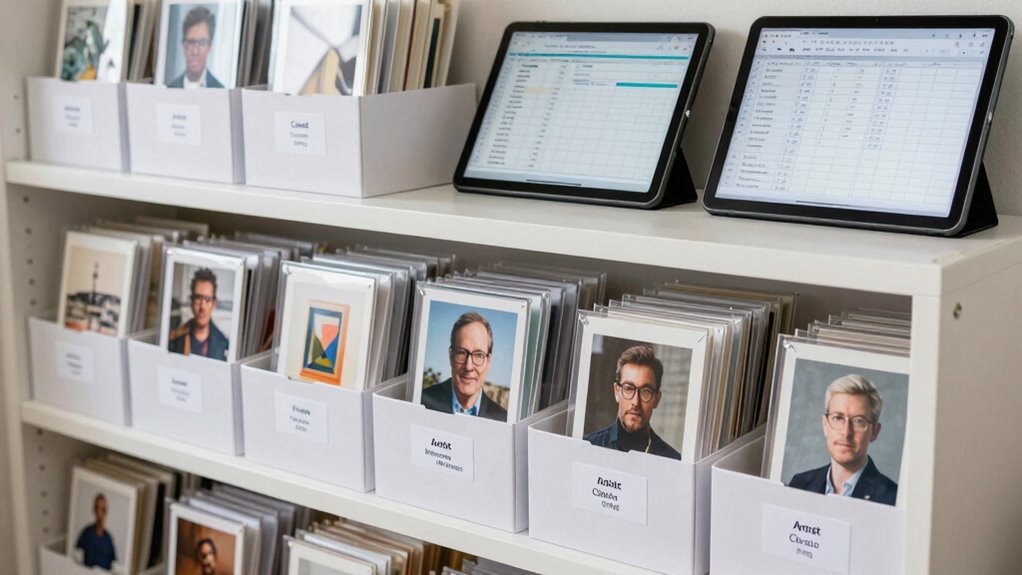
In a crisis, having a well-organized art inventory becomes vital because it allows you to quickly identify and locate your valuable pieces. When faced with art theft, knowing exactly what artwork is missing helps authorities and insurance companies process claims faster. It also streamlines the process of conducting accurate art appraisals, which are essential for insurance coverage and potential legal actions. Without a detailed inventory, you risk losing track of important details like provenance, condition reports, and photographs, making recovery and valuation more difficult. A clear, organized system ensures you can respond swiftly, minimize financial loss, and prove ownership if needed. Additionally, understanding the importance of content formats and digital concepts can help you develop a more adaptable, long-term inventory system. Using digital tools and cloud storage can enhance the security and accessibility of your records. Incorporating metadata management techniques can further improve searchability and data integrity. Implementing regular updates ensures your inventory remains current and reliable, especially in dynamic collections. Moreover, a comprehensive inventory system can facilitate disaster recovery efforts by providing detailed records in case of unforeseen events. Ultimately, a solid art inventory acts as your first line of defense during emergencies.
As an affiliate, we earn on qualifying purchases.
Digital or Paper Art Inventory: Which Is Right for You?

Choosing between a digital or paper art inventory depends on your specific needs and preferences, but understanding the strengths of each can help you make an informed decision. Digital cataloging offers convenience, easy updates, and quick search capabilities, making it ideal if you need to access your records frequently or from multiple locations. It also reduces clutter and allows for backup copies, protecting your data from physical damage. Additionally, digital systems can streamline inventory management and improve overall organization. On the other hand, paper record keeping provides a tangible, straightforward approach that requires no technology and can be more reliable in power outages or technical failures. If you prefer simplicity and minimal setup, paper might be better. Consider your comfort with technology, storage space, and how you plan to use your inventory to determine which method suits you best. Additionally, understanding art inventory costs can help you choose the most cost-effective method for your situation. Being aware of pinball machine weights can also influence your decision if you plan on physically storing or transporting large collections. Furthermore, evaluating the storage space available for your inventory can help you decide which method aligns with your organizational needs. For example, some collectors benefit from organized record-keeping to easily locate specific pieces in a large collection.
art collection digital record book
As an affiliate, we earn on qualifying purchases.
As an affiliate, we earn on qualifying purchases.
Must-Have Elements of a Simple Art Inventory System
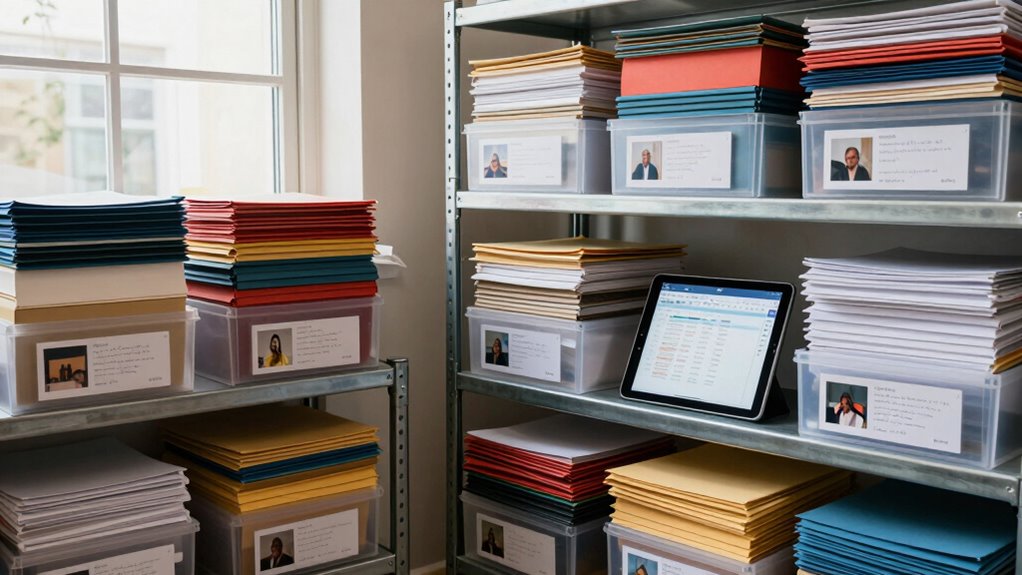
A simple art inventory system needs to include essential elements that make tracking your artwork straightforward and effective. First, record detailed descriptions of each piece, including title, artist, size, medium, and date. Incorporate photos to visually document the artwork’s condition and placement. Keep track of art storage locations to quickly find pieces when needed and ensure proper handling. Regular art appraisals are crucial for understanding value, especially in emergencies or insurance claims. Maintain a unique identification number for each item to prevent confusion. Organizing your records consistently, whether digitally or on paper, ensures that art storage locations are accurate and up-to-date, so updates are easy and information remains correct. Having a reliable cataloging method can greatly enhance your ability to manage your collection efficiently. Implementing inventory management software can streamline this process and improve overall accuracy. Additionally, understanding digital recordkeeping best practices helps protect your collection from data loss and facilitates quick recovery in crises. These elements work together to create an effective system that safeguards your collection and simplifies crisis management.
As an affiliate, we earn on qualifying purchases.
How to Create a Basic Art Inventory Record Sheet

Creating a basic art inventory record sheet starts with identifying the key information you’ll need to track each piece. Focus on essential details like title, artist, date created, dimensions, medium, and unique identifiers. This simplifies art cataloging and helps you quickly locate items. Include storage solutions such as location within your space or storage container. Use clear categories and consistent formatting to make the sheet easy to update and review. You might create columns for condition notes or value estimates, depending on your needs. Keep it simple but thorough enough to serve as a reliable reference during crises or audits. Regularly update your record sheet whenever you acquire or move artwork. A well-organized inventory sheet ensures you have quick access to critical information about your collection at all times.
Best Practices for Labeling and Tagging Your Artwork

Ever wondered how to guarantee your artwork remains identifiable and organized over time? Implementing labeling best practices is essential. Use clear, consistent labels that include key details like title, artist, date, and inventory number. Make sure labels are durable and resistant to damage or fading. Tagging strategies should be systematic; assign unique identifiers to each piece and record them in your inventory system. Place labels discreetly on the back or underside of artworks to avoid damage or visual distraction. Keep labels legible and avoid clutter. Regularly review and update labels as needed, especially when artworks change hands or locations. Incorporating art inventory management can help you develop a more effective system. Proper labeling best practices and tagging strategies ensure quick identification, prevent mix-ups, and streamline your inventory management in any crisis. Additionally, understanding artwork organization techniques can motivate you to maintain thorough records and stay engaged with your inventory process. Developing a comprehensive cataloging system can further enhance your ability to track and locate artworks efficiently. A well-structured labeling system can significantly reduce errors and save time during critical moments.
Routine Checks and Updates to Keep Your Inventory Accurate

Regularly performing checks and updates on your art inventory is essential to maintaining its accuracy and reliability. Schedule routine inventory audits to verify your records against the physical artwork. During these audits, review storage solutions to ensure pieces are correctly placed and labeled. Update any discrepancies immediately, whether it’s a misplaced piece or incorrect information. Incorporating sound healing science into your routine can also improve focus and reduce stress during these tasks. Consistent checks help identify missing or damaged artwork early, preventing potential loss or mishandling. Keep detailed notes on each audit, noting changes and issues found. Use your storage solutions efficiently to make updates straightforward and quick. This proactive approach keeps your inventory current, reduces errors, and simplifies tracking, especially during crises. Regular checks are your best defense against inaccuracies that could complicate recovery or insurance claims later. Incorporating electric bikes into your routine can also improve transportation and mobility when managing large or distant collections. Additionally, utilizing digital inventory management systems can enhance tracking accuracy and streamline the audit process.
How a Clear Inventory Makes Insurance and Recovery Easier

A clear and up-to-date inventory considerably simplifies the insurance and recovery process if your artwork is lost, damaged, or stolen. When you have detailed records, it’s easier to provide proof of art valuation, ensuring you get fair compensation. An organized inventory also helps you identify the right storage solutions to prevent future damage. To make this process smoother, keep these in mind:
- List each piece with accurate descriptions, including artist, size, and condition.
- Attach recent photographs and proof of purchase or appraisal.
- Regularly update your inventory to reflect new acquisitions or changes in value.
Having these details at your fingertips speeds up claims and guides recovery efforts, making sure your art is protected and easily restored.
Common Mistakes to Avoid When Setting Up Your Art Inventory
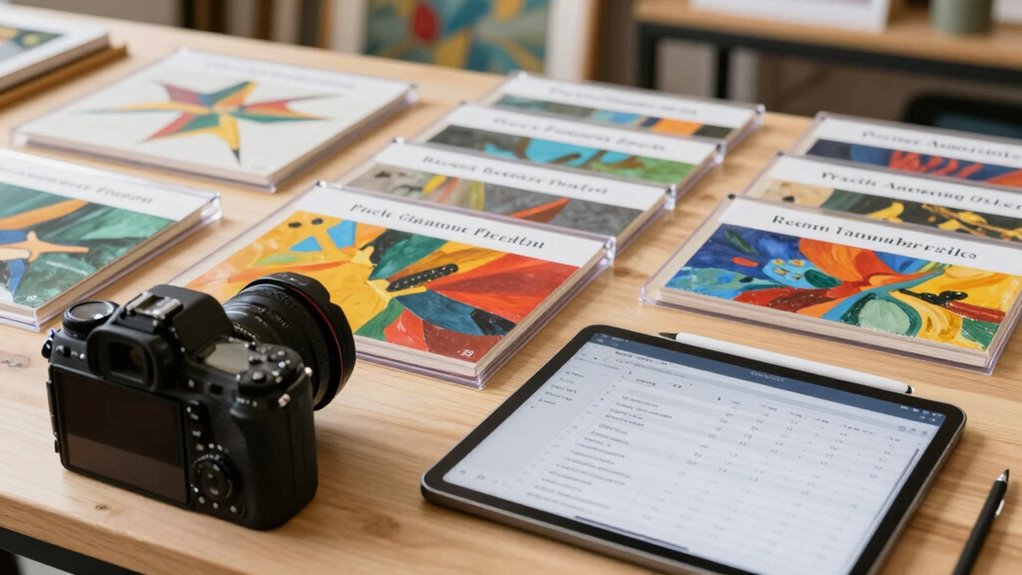
When setting up your art inventory, it’s easy to make mistakes that can complicate insurance claims or recovery efforts later on. One common error is creating duplicate entries, which can lead to confusion and inaccurate valuations. Always double-check your records to avoid listing the same artwork more than once. Incomplete records are another pitfall; missing details like artist, dimensions, or provenance can hinder identification and valuation. Make sure every piece has thorough, accurate information from the start. Failing to do so can cause delays and disputes during claims or recovery. Keep your inventory clear, consistent, and all-encompassing to prevent these issues. Taking care to avoid duplicate entries and incomplete records will save you time and stress when you need your inventory most.
Quick Tips for Accessing Your Inventory During an Emergency

Having quick access to your art inventory during an emergency can make all the difference in protecting your collection. To do this effectively, ensure your storage solutions are organized and easily accessible. Keep a digital copy of your inventory on a cloud service or portable device. Next, create a list of emergency contacts, including local authorities, art recovery specialists, and your insurance provider. Here are some quick tips:
- Store your inventory data in a secure, labeled folder or cloud system for instant access.
- Keep a printed version of your inventory and emergency contacts in a waterproof, portable container.
- Regularly update your storage solutions and contacts to guarantee accuracy and readiness.
Being prepared helps you respond swiftly and protect your artwork during crises.
Frequently Asked Questions
How Often Should I Update My Art Inventory?
You should update your art inventory at least quarterly to guarantee accurate art valuation and keep track of storage solutions. Regular updates help you catch any damage, theft, or changes in condition. If you acquire new pieces or sell existing ones, update immediately. Consistent management prevents misplacement and simplifies insurance claims or sales. Staying proactive ensures your inventory remains accurate and organized, providing peace of mind and protecting your valuable collection.
What Software Options Are Best for Digital Inventory?
Think of your digital inventory as a treasure chest—you want it secure and easy to access. For software options, consider cloud storage solutions like Google Drive or Dropbox, which excel in metadata management. These tools let you organize, update, and access your artwork details from anywhere, ensuring your collection stays safe and well-maintained. Choose one that fits your needs, and keep your digital treasures organized like a seasoned curator.
Can I Combine Digital and Paper Inventory Methods?
Yes, you can combine digital and paper inventory methods into a paper-digital hybrid system. This approach allows you to leverage digital integration for easy updates and backups while maintaining paper records as a reliable backup. You’ll find it simplifies tracking, reduces errors, and ensures you’re prepared for any crisis. By regularly updating both, you create a resilient, flexible inventory system that adapts to your needs and safeguards your art collection.
How Do I Handle Inventory for Large or Collaborative Artworks?
For large or collaborative artworks, you should implement collaborative tracking to make certain everyone stays updated. Use detailed records, including photos, dimensions, materials, and collaborators’ info, to manage large artwork effectively. Break down complex projects into manageable sections, assign specific responsibilities, and regularly update your inventory. This approach keeps your large artwork management organized, making it easier to locate, maintain, or restore pieces, even in a crisis.
What Legal Considerations Exist for Documenting Artwork Ownership?
Think of your artwork like a sealed treasure chest; legal considerations demand clear maps and keys. You need solid legal documentation—contracts, bills of sale, certificates of authenticity—and provenance verification to prove ownership. These elements guarantee your rights are protected, prevent disputes, and authenticate your art. By maintaining meticulous records, you safeguard your collection’s integrity, just as a seasoned captain preserves their ship’s legacy amid stormy seas.
Conclusion
Think of your art inventory as a lighthouse guiding you through life’s storms. When chaos strikes, a clear, well-maintained system illuminates your path to recovery, helping you navigate loss and claim what’s rightfully yours. By keeping your records current, you guarantee your art’s story remains intact, shining brightly even in the darkest moments. With this beacon in place, you’re always prepared to weather any crisis that comes your way.
Fall Picks
fall essentials
As an affiliate, we earn on qualifying purchases.