To care for your art collection, store works in a stable, temperature-controlled environment with 40-50% humidity, using acid-free materials and secure mounts. Protect your pieces with proper climate control, avoiding direct sunlight and pollutants, and handle them with gloves. Insure your collection to safeguard against loss or damage. Learning more about proper storage, insurance options, and climate management can help keep your art safe and vibrant for years to come.
Key Takeaways
- Store artworks in a stable, climate-controlled environment with consistent temperature (around 70°F) and humidity (40-50%) to prevent deterioration.
- Use acid-free materials, protective coverings, and proper mounts to safeguard artworks during storage and display.
- Insure your collection with comprehensive coverage that reflects current market value and specific item needs.
- Handle artworks with gloves and avoid direct contact with painted surfaces to prevent damage.
- Regularly monitor environmental conditions and perform maintenance to ensure long-term preservation of your collection.

Caring for your art collection requires more than just displaying your pieces; it involves understanding how to protect and preserve them over time. To guarantee your artwork remains in excellent condition, you need to focus on effective art preservation strategies and proper display techniques. Each piece of art is unique, and its longevity depends on the environment and handling it receives.
Start by considering how you display your artwork. The display techniques you choose can profoundly impact its preservation. Avoid hanging art in direct sunlight, as UV rays can fade colors and weaken materials. Instead, opt for indirect light or UV-protective glass when framing. When hanging paintings, guarantee they are mounted securely but gently, avoiding nails or hooks that might damage the canvas or backing. For sculptures or three-dimensional works, use stable bases and avoid placing heavy objects where they might be knocked over. Proper display techniques not only highlight your art’s beauty but also reduce the risk of accidental damage.
Choose gentle, secure display methods to protect and showcase your artwork effectively.
In addition to display methods, protecting your collection from environmental threats is vital. Fluctuations in temperature and humidity are major concerns. Extreme heat can cause materials to warp or crack, while excess moisture promotes mold growth and deterioration. Keep your collection in a climate-controlled space, ideally maintaining temperatures around 70°F (21°C) and humidity levels between 40-50%. Use a dehumidifier or humidifier as needed, especially in climates with extreme weather changes. Regularly monitor these conditions with a reliable hygrometer and thermometer to catch issues early.
Proper art preservation also involves careful handling and storage. When moving or cleaning your pieces, wear gloves to prevent oils and dirt from transferring to the artwork. Avoid touching painted surfaces directly. If you need to store artwork, choose acid-free materials and protective covers to prevent deterioration. Store flat works in a cool, dark, and stable environment, and avoid stacking pieces directly on top of each other, which can cause damage.
Finally, consider your artwork’s exposure to pollutants like smoke, dust, and airborne chemicals. Regular cleaning with gentle, non-abrasive methods helps maintain their appearance. Use soft brushes or cloths, and avoid harsh chemicals that can damage surfaces. By combining thoughtful display techniques with vigilant environmental control and careful handling, you’ll greatly enhance your art preservation efforts. This proactive approach guarantees your collection remains vibrant and intact for years to come, allowing you to enjoy its beauty and value for the long term.

Lineco Archival 11 x 14 x 3 inches Museum Archival Storage Box, Drop Front Design, Acid-Free with Metal Edge. Preserves Photos Documents, Black
Archival material created and made in USA.
As an affiliate, we earn on qualifying purchases.
As an affiliate, we earn on qualifying purchases.
Frequently Asked Questions
How Often Should I Inspect My Art Collection for Damage?
You should inspect your art collection regularly to catch any potential damage early. Preventive maintenance involves checking your pieces at least every few months, especially if they’re displayed or stored in variable environments. Regular monitoring helps you identify issues like cracking, warping, or discoloration before they worsen. Consistent inspections allow you to take swift action, ensuring your collection stays in excellent condition for years to come.
What Are the Best Security Measures for Art Storage?
Did you know that proper art security isn’t just about locks? You should implement strong storage precautions like secure, alarmed safes and monitored surveillance systems. Limit access to trusted individuals and use discreet storage areas. Regularly update security measures and keep detailed records. These steps ensure your art collection stays safe, preventing theft or damage. Prioritizing art security and storage precautions guarantees your valuable pieces are protected effectively.
How Can I Authenticate New Artworks for My Collection?
When authenticating new artworks, you should start with art authentication and provenance verification. You can consult experts or appraisers who specialize in the artist or period. Request provenance documentation, such as certificates of authenticity, gallery receipts, or exhibition records. Conduct thorough research to verify the history and ownership. This process helps guarantee your collection’s integrity and value, giving you confidence that each piece is genuine and properly documented.
What Are Common Signs of Deterioration in Artworks?
You might think deterioration signs aren’t obvious, but art conservation reveals telltale signs. Look for cracking, fading, or discoloration—these are common deterioration signs. Warping or mold also indicates damage. Don’t ignore tiny changes, as early detection helps preserve your collection. Regularly inspecting your artworks allows you to catch issues early and seek professional help, ensuring your pieces stay vibrant and protected over time.
Should I Display My Art Outdoors or Indoors?
You should prioritize indoor presentation over outdoor display for your art. Outdoor exposure subjects your pieces to weather, UV rays, and pollutants, which can accelerate deterioration. Indoor presentation offers a controlled environment, protecting your artwork from these elements. If you do choose outdoor display, guarantee it’s sheltered and secure, but generally, keeping art indoors helps preserve its beauty and longevity.
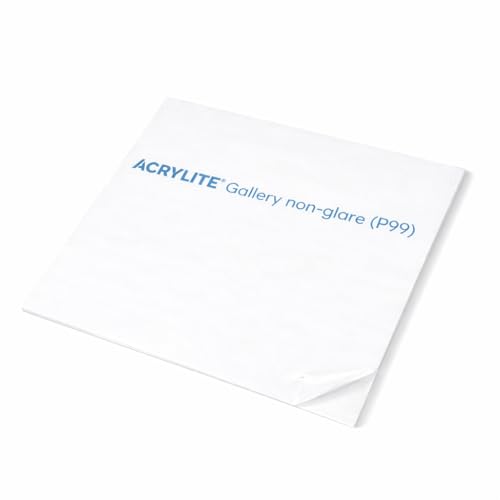
Acrylic Glass Shatterproof 99% UV Protected Conservation Clear OP3 Premium Framing Grade Display For Picture Frame (8 x 10)
Lightweight: Features a lightweight design that makes handling and installation easier compared to traditional glass
As an affiliate, we earn on qualifying purchases.
As an affiliate, we earn on qualifying purchases.
Conclusion
Now that you understand the essentials of storage, insurance, and climate control, the true test begins. Will you be able to anticipate every detail to protect your irreplaceable pieces? The right choices could mean the difference between preservation and loss. Your art is more than just objects; it’s a legacy waiting to endure. Are you prepared to make the decisions that could shape its future? The next step is yours—what will you do?

4655 Wall Mounted Humidifier Control Humidistat, Manual Humidistat Digital, Fit For April-Aire Whole House Humidifier, 24VAC
The manual digital control humidistat is designed to be used with low voltage service to offer control of…
As an affiliate, we earn on qualifying purchases.
As an affiliate, we earn on qualifying purchases.

TempPro TP50 Digital Hygrometer Indoor Thermometer Room Thermometer and Humidity Gauge with Temperature Humidity Monitor(Previously ThermoPro)
Wellness Indicator: This humidity meter with humidity level icon indicates air conditions – DRY/COMFORT/WET, allowing this humidity sensor…
As an affiliate, we earn on qualifying purchases.
As an affiliate, we earn on qualifying purchases.