
The Factum Foundation uses cutting-edge digital techniques like laser scanning, photogrammetry, and 3D printing to create highly accurate facsimiles of priceless artworks and artifacts. These digital reproductions help preserve fragile objects, enable wider access, and support restoration efforts. By combining craftsmanship with technology, they safeguard cultural heritage for future generations. If you want to explore how these innovations are transforming preservation and access, there’s more valuable information to discover.

Get art and craft supplies delivered free — and shop member deals
- Fast, free delivery on millions of items
- Access to Prime Big Deal Days deals on October 6–7
- Prime Video, Amazon Music and more included
Key Takeaways
- The Factum Foundation specializes in creating precise digital facsimiles of cultural artifacts using advanced scanning and modeling technologies.
- Preservationcraft.com is a platform associated with Factum Foundation, showcasing their expertise in digital replication and conservation.
- The foundation’s digital facsimiles enable safe study, display, and restoration of artworks without risking damage to originals.
- Factum Foundation combines digital techniques with craftsmanship to produce accurate physical replicas through 3D printing and fabrication.
- Their work enhances global access to cultural heritage while safeguarding priceless objects for future generations.
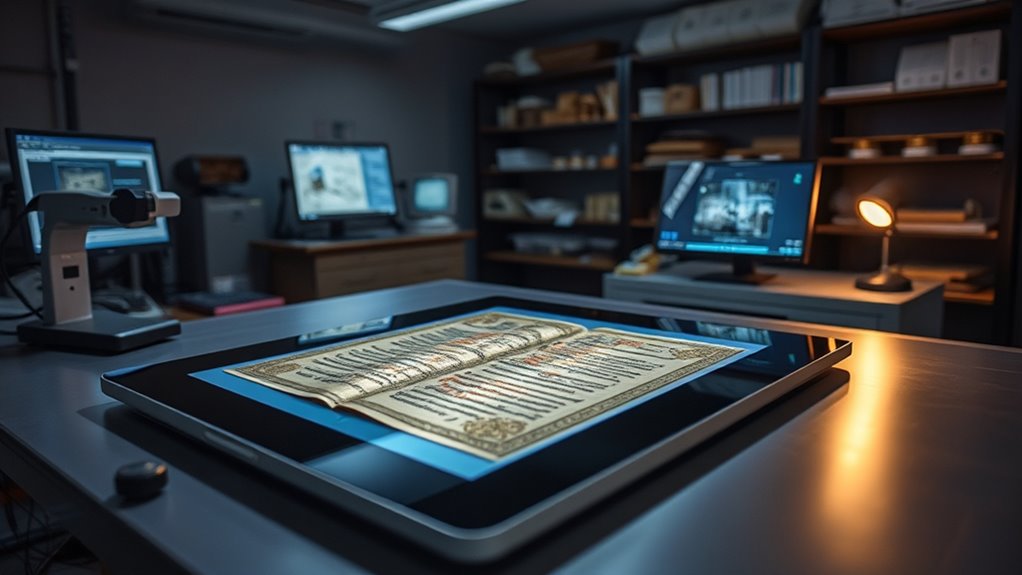
The Factum Foundation is revolutionizing the way we preserve and access cultural heritage by creating highly accurate digital facsimiles of priceless artworks and artifacts. This innovative approach harnesses cutting-edge preservation technology to produce detailed replicas that serve multiple purposes. As someone interested in cultural preservation, you’ll appreciate how this effort safeguards masterpieces from deterioration, theft, or damage while making them accessible to a global audience. Instead of risking the original, fragile objects, you can study, display, or share these digital facsimiles with confidence that the authenticity remains intact.
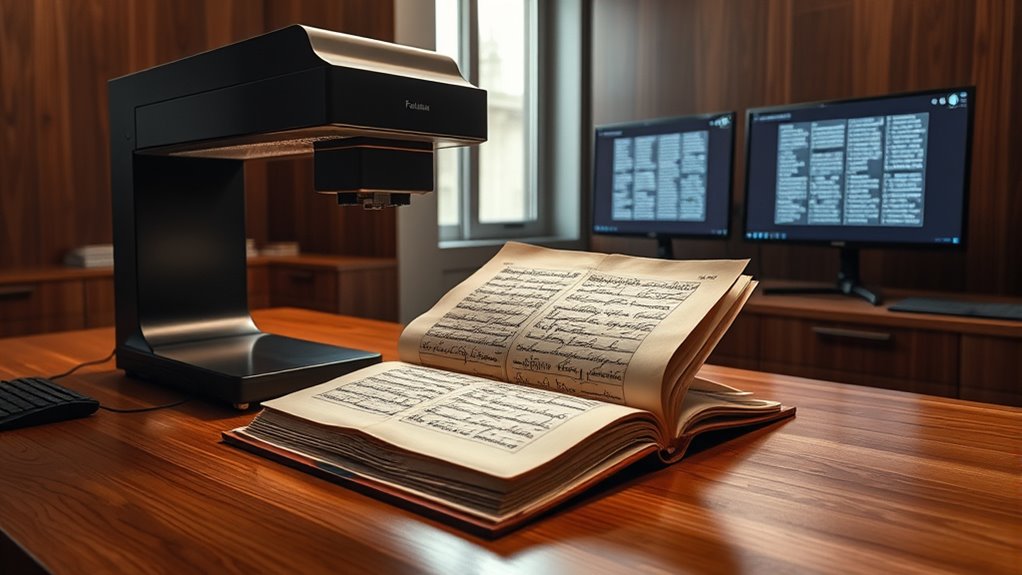
At the core of this process is artistic replication—an art form that combines meticulous craftsmanship with advanced digital techniques. The Factum Foundation employs laser scanning, photogrammetry, and 3D modeling to capture every nuance of an artifact’s surface, color, and texture. These high-resolution digital records are then transformed into physical replicas using 3D printing and other fabrication methods. This fusion of traditional craftsmanship with modern preservation technology ensures that each facsimile is an exact replica, preserving the visual and tactile qualities that define the original.
Artistic replication combines craftsmanship with digital techniques to create precise, tactile replicas of cultural artifacts.
By focusing on preservation technology, the foundation not only creates visual copies but also develops tools that help conserve the original artifacts. For instance, digital facsimiles can be used for detailed study without physically handling the fragile objects, reducing wear and tear. Institutions can also use these replicas for educational purposes or temporary exhibitions, eliminating the risks associated with transporting or displaying the fragile originals. This approach democratizes access to cultural treasures, allowing people worldwide to experience and learn from them without compromising their integrity.
Furthermore, the foundation’s work extends beyond mere replication. They aim to document and archive cultural heritage thoroughly, ensuring that even if the original is lost or damaged in the future, a precise digital record remains. This effort leverages preservation technology to create a lasting digital legacy, bridging the gap between past and future. It also opens possibilities for restoring damaged artworks by referencing these detailed digital models, thus aiding conservation efforts.
In essence, the Factum Foundation’s use of artistic replication and preservation technology transforms how we think about safeguarding cultural heritage. It’s not just about creating replicas but about guaranteeing the longevity and accessibility of priceless artifacts for generations to come. You’re witnessing a new era where technological innovation and artistic skill combine to protect our shared cultural legacy, making it more resilient and universally available. These advancements also emphasize the importance of digital preservation as a crucial component in safeguarding humanity’s cultural treasures for future generations.
3D laser scanner for art preservation
As an affiliate, we earn on qualifying purchases.
As an affiliate, we earn on qualifying purchases.
Frequently Asked Questions
How Does the Factum Foundation Fund Its Preservation Projects?
You might be interested to know that the foundation funds its preservation projects through diverse funding sources, including grants and donations. They actively apply for grants by submitting detailed grant applications, showcasing the importance and impact of their work. Additionally, they seek support from private donors, institutions, and partnerships, which helps sustain their initiatives. This multifaceted approach guarantees they can continue preserving invaluable cultural heritage for future generations.
What Are the Technical Specifications of Digital Facsimiles?
They say a picture is worth a thousand words, and digital facsimiles follow that truth. You’ll find high-resolution imaging captures detailed visuals, ensuring preservation quality. Metadata standards are essential, organizing information for easy access and authenticity. These technical specifications include color depth, resolution (often 600 dpi or higher), and file formats like TIFF or JPEG2000, all working together to preserve artwork accurately for future generations.
Can Digital Facsimiles Be Used for Educational Purposes?
Yes, digital facsimiles are great for educational purposes. You can use them in virtual classrooms to provide students with high-quality, detailed images of artifacts and documents. They support interactive learning by enabling students to explore and examine images closely, fostering engagement and understanding. This makes history, art, and archaeology more accessible, allowing learners to study rare or fragile items safely from their devices.
How Do Digital Facsimiles Impact Traditional Conservation Methods?
Did you know that 85% of museums now use virtual replicas for preservation? Digital facsimiles impact traditional conservation methods by offering alternatives like virtual replicas that reduce handling risks. They raise important restoration ethics questions, such as whether digital copies can substitute original artifacts. You should consider that these technologies complement, rather than replace, traditional methods, helping conserve physical objects while expanding access and educational opportunities.
Are Digital Facsimiles Accessible to the Public Online?
Yes, digital facsimiles offer virtual access to the public online. You can explore high-resolution images that reveal intricate details, thanks to advanced image resolution. This allows you to appreciate artworks or historical documents from anywhere, enhancing educational and cultural experiences. By providing accessible online collections, digital facsimiles help broaden your understanding and appreciation of priceless artifacts without risking damage through physical handling.
photogrammetry kit for digital modeling
As an affiliate, we earn on qualifying purchases.
As an affiliate, we earn on qualifying purchases.
Conclusion
By exploring the work of the Factum Foundation and Digital Facsimiles, you see how they craft digital bridges to the past, preserving masterpieces for generations to come. Their innovations are like keys opening history’s secrets, ensuring art’s voice echoes through time. As you witness their dedication, remember that every pixel and brushstroke they safeguard helps keep our cultural heritage alive—an eternal flame illuminating the path of human creativity.
As an affiliate, we earn on qualifying purchases.
cultural heritage digital facsimile tools
As an affiliate, we earn on qualifying purchases.
As an affiliate, we earn on qualifying purchases.
Halloween Picks
halloween
As an affiliate, we earn on qualifying purchases.