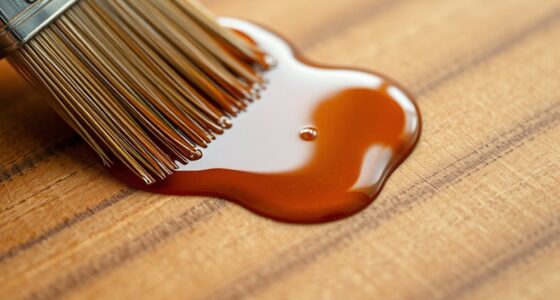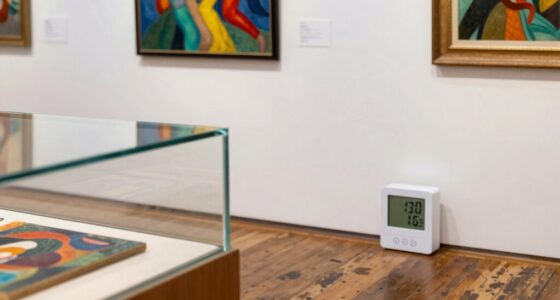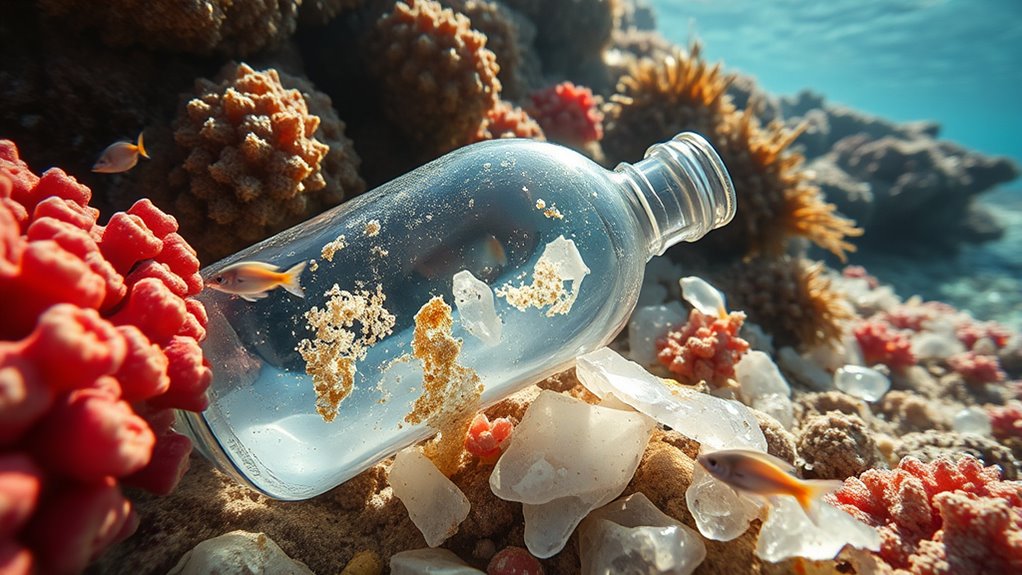

Conserving modern materials like plastics and acrylics is challenging because their chemical compositions make them prone to subtle deterioration over time. Exposure to environmental factors such as light, temperature fluctuations, and pollutants accelerates their degradation, causing issues like discoloration, brittleness, and surface cracks. Since these changes are gradual and often hard to detect, tailored conservation strategies are essential. If you explore further, you’ll discover approaches to effectively preserve these vulnerable contemporary objects.
Key Takeaways
- Modern materials like plastics and acrylics face unique deterioration issues due to their chemical composition, such as brittleness and discoloration.
- They are susceptible to synthetic deterioration driven by chemical migration, volatilization, and surface cracking over time.
- Environmental factors like UV exposure, temperature fluctuations, and pollutants accelerate their aging and surface degradation.
- Conventional conservation techniques may be ineffective; specialized cleaning and controlled environments are necessary.
- Proactive environmental management, including UV filters and climate control, is essential to slow deterioration and preserve modern materials.
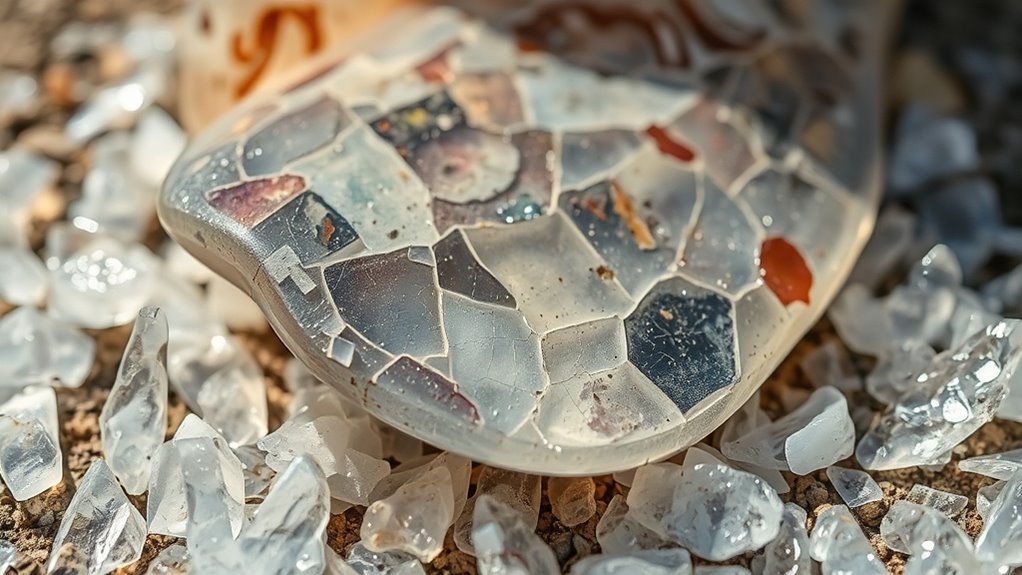
Modern materials present unique conservation challenges because their compositions and properties often differ markedly from traditional artifacts. This is especially true for plastics and acrylics, which are widely used in contemporary objects but pose distinct issues for preservation. One of the primary concerns is synthetic deterioration, a process driven by the material’s chemical makeup. Unlike natural materials, plastics and acrylics are susceptible to gradual breakdown caused by factors like light exposure, heat, and chemical interactions. Over time, they can become brittle, discolored, or exhibit surface cracking, making their preservation more complex. These changes often happen subtly, so you might not notice them immediately, but they compromise the integrity and aesthetic of the object. Understanding the chemical composition of these materials is essential for developing effective conservation strategies. Environmental impacts profoundly influence the rate and nature of deterioration in these modern materials. Fluctuations in temperature and humidity accelerate synthetic deterioration, especially when combined with exposure to ultraviolet light. UV radiation, in particular, triggers photo-oxidation processes that weaken polymer chains, leading to yellowing, loss of transparency, and surface embrittlement. If you’re caring for acrylic or plastic objects, controlling light levels becomes essential to slow down this degradation. Additionally, pollutants such as ozone, sulfur dioxide, and nitrogen oxides in the environment can react with the surface of plastics, causing surface cracking, staining, or surface tackiness. These environmental impacts are often exacerbated in non-ideal storage or display conditions, making it vital to implement protective measures like UV filters, climate controls, and proper display cases.
Modern plastics and acrylics face unique preservation challenges due to their chemical composition and susceptibility to gradual deterioration.
The chemical composition of plastics and acrylics also makes them vulnerable to specific types of deterioration that differ from those seen in traditional materials. For instance, plasticizers and stabilizers in the polymer matrix can migrate or volatilize over time, leading to surface tackiness or loss of flexibility. This can result in surface distortions or cracking that are difficult to reverse. Because these materials respond differently to environmental factors, standard conservation techniques for organic or inorganic artifacts don’t always apply. You need tailored approaches, such as specialized cleaning methods and controlled environments, to mitigate synthetic deterioration without causing further harm.
In essence, preserving modern materials like plastics and acrylics requires understanding their unique vulnerabilities and the environmental impacts that accelerate their decay. You must be proactive in managing light, temperature, humidity, and pollutants to slow down synthetic deterioration. Recognizing these factors and adopting tailored conservation strategies will help maintain these contemporary objects for future generations, despite their inherent fragility and complex degradation pathways.

Acrylic Display Case for Collectibles Assemble Clear Acrylic Display Box for Lego Alternative Glass Case for Display Figures Doll Toys Home Storage(8x8x12 inch, 20x20x30 cm)
【Size】8x8x12 inch, 20x20x30 cm acrylic display cases for collectibles. NOTE: please tear off the protective film on both…
As an affiliate, we earn on qualifying purchases.
As an affiliate, we earn on qualifying purchases.
Frequently Asked Questions
How Do Environmental Pollutants Affect Plastics and Acrylics Over Time?
Environmental pollutants cause plastics and acrylics to break down over time through chemical degradation and microbial attack. You’ll notice cracks, discoloration, and loss of clarity as chemicals weaken the material’s structure. Microbial growth can further deteriorate surfaces, especially in humid conditions. These processes accelerate aging, compromise integrity, and reduce the lifespan of your objects, making it essential to control exposure to pollutants for long-term preservation.
What Innovative Methods Are Being Developed for Conserving Modern Materials?
You should explore innovative methods like nanotechnology applications, which allow for precise, minimally invasive conservation treatments that strengthen and protect plastics and acrylics. Biodegradable consolidants are also promising, as they offer eco-friendly options that stabilize materials without long-term environmental impact. These methods enhance preservation efforts by providing effective, sustainable solutions, ensuring modern materials can be conserved more effectively and responsibly over time.
Can Traditional Conservation Techniques Be Adapted for Plastics and Acrylics?
Yes, you can adapt traditional conservation techniques for plastics and acrylics. Focus on addressing chemical degradation by using gentle cleaning agents and avoiding harsh chemicals that cause further deterioration. For mechanical aging, stabilize and support weakened areas, and control environmental conditions like humidity and temperature. While some methods work well, you should customize approaches to each material’s specific properties, ensuring effective preservation without damaging these modern substances.
What Role Does Climate Change Play in the Deterioration of Modern Materials?
Climate change acts like a silent storm erodes your modern materials, speeding up deterioration. You’ll notice climate-induced degradation from temperature fluctuations that cause plastics and acrylics to warp, crack, or become brittle. Rising temperatures intensify UV exposure, breaking down polymers, while increased humidity accelerates chemical breakdown. To protect your collection, you must understand how climate impacts your materials and implement strategies to mitigate these effects before irreversible damage occurs.
Are There Eco-Friendly Alternatives for Preserving Plastic and Acrylic Artifacts?
Yes, you can consider eco-friendly alternatives like biodegradable polymers and plant-based plastics to preserve plastic and acrylic artifacts. These materials break down more easily in the environment, reducing long-term pollution. By choosing these sustainable options, you help minimize environmental impact while maintaining the integrity of your artifacts. Incorporating biodegradable polymers and plant-based plastics offers a greener approach to conservation, aligning preservation efforts with ecological responsibility.
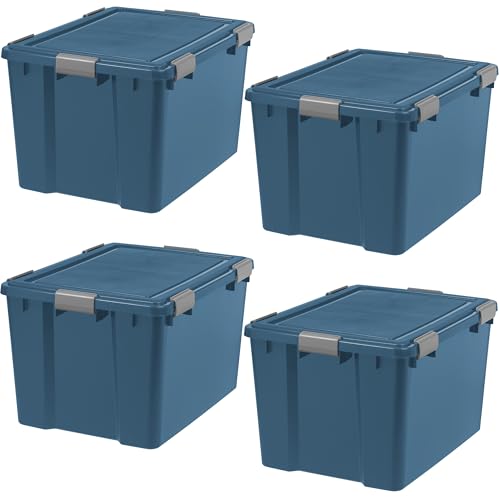
IRIS USA WeatherPro 74 Qt Eco-Friendly Storage Bins with Lids, 4 Pack, BPA-Free Plastic Gasket Box with Tight Latch and Seal, Stackable Nestable Tote Tub – Navy
CLIMATE FRIENDLY, and BPA FREE – Sustainable environmentally-friendly storage made from recycled materials, environmentally friendly weather resistant storage…
As an affiliate, we earn on qualifying purchases.
As an affiliate, we earn on qualifying purchases.
Conclusion
As you face the conservation of modern materials like plastics and acrylics, remember they’re like fragile mirrors of our time—reflecting both innovation and vulnerability. Their preservation is akin to tending a delicate garden, where each effort safeguards a piece of history’s fleeting beauty. By understanding their symbolism, you help ensure these materials continue to tell our story, not just as artifacts, but as symbols of progress and the need for mindful stewardship in a rapidly changing world.

Paint Brush Cleaner, Upgraded Water Cycle Watercolor Rinser Dispenser with Holder and Palette, Washing My Brushes, Cleaning System for Acrylic,Watercolor,Painting Art Supplies for Adults Students
100% ABS plastic: Our art supplies is made of high-quality ABS plastic, which is superior to the ordinary…
As an affiliate, we earn on qualifying purchases.
As an affiliate, we earn on qualifying purchases.

Undermining: A Wild Ride Through Land Use, Politics, and Art in the Changing West
As an affiliate, we earn on qualifying purchases.
As an affiliate, we earn on qualifying purchases.