
TL;DR

Get art and craft supplies delivered free with Prime
- Fast, free delivery on millions of items
- Prime Video, Amazon Music and more included
- Member-only deals all year
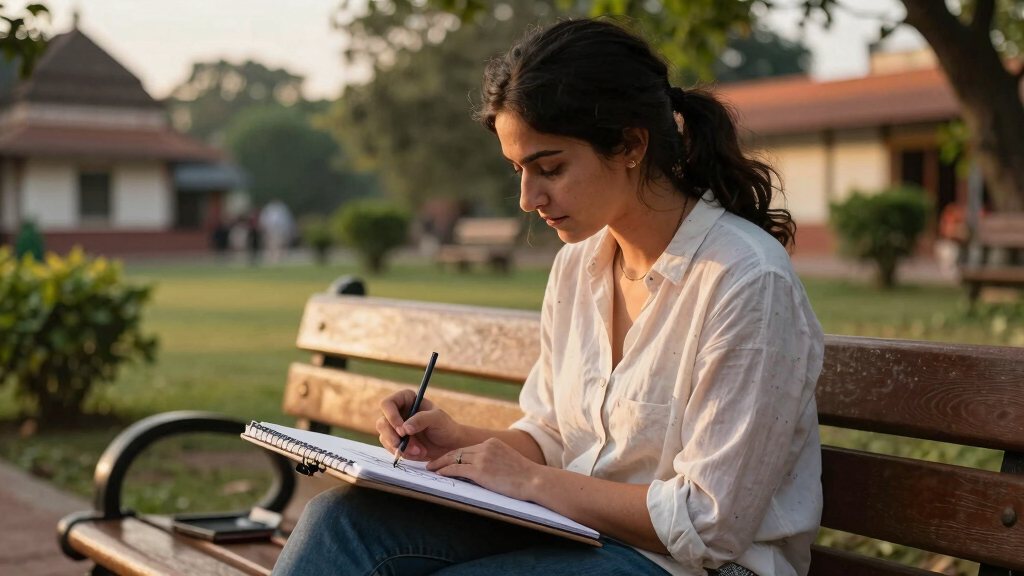
An Englishwoman created detailed sketches of India before photography was common. Her work provides rare visual insights into colonial India and its landscapes, people, and culture. Researchers believe this collection is among the earliest visual records by a Western woman of India.
A collection of sketches by an Englishwoman depicting India before the advent of widespread photography has been uncovered, offering rare visual documentation of colonial India from a woman’s perspective. The sketches, believed to date from the late 19th century, are now being studied by historians and art experts for their historical significance and unique perspective.
The sketches were found in an archive in the UK and are attributed to Emily Carter, an Englishwoman who traveled to India in the 1880s. Her drawings include scenes of urban life, rural landscapes, and portraits of local people, all created before photography became a common tool for documenting the region.
Experts say this collection is among the earliest known visual records by a Western woman of India, offering a different viewpoint from the often male-dominated colonial photography of the period. The sketches are detailed and exhibit a keen eye for local customs, architecture, and daily life.
Researchers are working to authenticate the collection’s provenance and date, with initial estimates placing the work around 1885. The sketches are now part of a broader effort to understand how colonial women perceived and represented India during that era.
Why This Collection Offers Unique Cultural Insights
This discovery matters because it provides a rare visual perspective of India from a Western woman’s point of view during the colonial period. Unlike photographs, which often focused on grand architecture or colonial officials, these sketches capture everyday life and local customs, offering a more nuanced view of Indian society at the time. They also challenge the predominantly male narrative of colonial documentation, adding diversity to historical records.
Furthermore, the collection enhances understanding of how women travelers engaged with and interpreted foreign cultures, contributing to broader discussions about gender, perception, and colonialism. It also enriches the visual history of India, providing material for both academic research and cultural appreciation.
As an affiliate, we earn on qualifying purchases.
Historical Background of Colonial Indian Sketching
During the late 19th century, photography was emerging as a dominant medium for documenting colonial India, often used by male photographers and officials to portray landscapes, architecture, and native populations. However, women travelers and artists were less documented, and their contributions have historically been overlooked.
While some sketches and illustrations by women exist from later periods, few are known to have created detailed visual records of India before photography became widespread. This collection by Emily Carter fills a significant gap in the visual history of colonial India, offering a perspective that is both personal and detailed.
Previous research has primarily relied on photographs and written accounts, making this discovery a valuable addition to the limited visual archives from that era.
“This collection provides an unprecedented glimpse into how a Western woman perceived India, capturing details often missing from official photographs or written accounts.”
— Dr. Laura Simmons, historian specializing in colonial art
As an affiliate, we earn on qualifying purchases.
Provenance and Dating of the Sketches Still Under Review
While initial estimates suggest the sketches date from around 1885, researchers have not yet confirmed the exact date or the full provenance of the collection. Further analysis is required to authenticate the sketches and determine Carter’s background and motivations.
It is also unclear how widely Carter’s work was circulated or whether she intended her sketches for publication or personal use.
As an affiliate, we earn on qualifying purchases.
Further Research and Public Display Planned
Researchers will conduct detailed provenance research, including material analysis and archival searches, to confirm the collection’s origins. An exhibition showcasing the sketches is also being planned for later in 2024 to bring this rare visual record to public attention.
Scholars hope to explore Carter’s life and her experiences in India, as well as compare her work with contemporary photographs and illustrations to better understand her perspective.
As an affiliate, we earn on qualifying purchases.
Key Questions
Who was Emily Carter?
Emily Carter was an English traveler and amateur artist who visited India in the 1880s. Little is known about her life beyond her sketches, which are now being studied for their historical significance.
How were the sketches discovered?
The collection was found in an archive in the UK during a routine research project by a team of historians and art experts in early 2024.
Why are these sketches important?
They provide a rare visual perspective of India from a Western woman’s point of view during colonial times, capturing everyday life and local customs not often documented in photographs.
Are these sketches authentic?
Initial analysis suggests they are authentic and date from the late 19th century, but further scientific testing is underway to confirm their provenance.
Will the sketches be displayed publicly?
Yes, an exhibition is planned for later in 2024 to showcase the collection and promote further research on Emily Carter’s work.
Source: hn
Fall Picks
fall essentials
As an affiliate, we earn on qualifying purchases.