
TL;DR

Get art and craft supplies delivered free — and shop member deals
- Fast, free delivery on millions of items
- Access to Prime Big Deal Days deals on October 6–7
- Prime Video, Amazon Music and more included
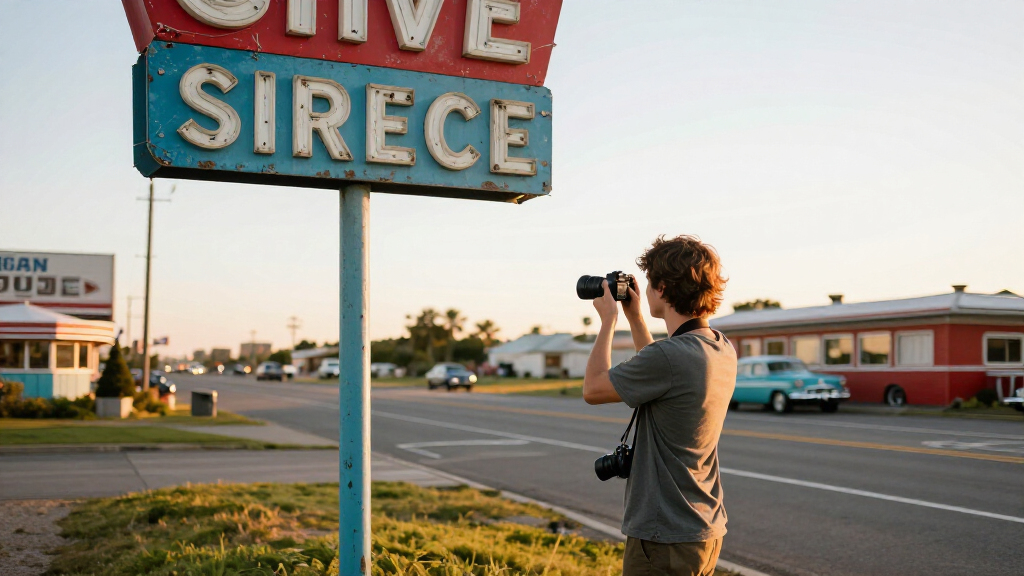
John Margolies’ extensive collection of photographs depicting roadside America has attracted renewed interest. The images showcase American roadside architecture, signage, and culture, sparking discussions about preservation and nostalgia. The trend appears to be driven by recent online searches and coverage, though specific reasons remain unconfirmed.
Interest in the photographs of John Margolies, a renowned photographer known for capturing American roadside architecture, has surged in recent months. The collection of his work continues to attract renewed interest. The renewed attention highlights the cultural and historical value of his work, which documents mid-20th-century roadside attractions, signage, and architecture. While the exact cause of the spike remains unconfirmed, the trend underscores a growing fascination with Americana and preservation efforts.
John Margolies, who passed away in 2016, amassed an extensive archive of over 15,000 photographs documenting roadside America from the 1970s through the early 2000s. For a visual overview, explore the archive of Americana architecture. His images depict a wide range of structures, from neon signs and motels to quirky attractions and abandoned roadside diners. Recently, online searches and media coverage have shown a significant increase in interest in his work, with some sources noting a spike in digital traffic and social media sharing.
Experts and cultural historians suggest that this renewed focus may be linked to a broader nostalgia for Americana and concerns about the rapid disappearance of roadside architecture. This movement aims to preserve such landmarks, as seen in collections like John Margolies’ photographs. Margolies’ photographs serve as a visual record of a bygone era, and their resurgence is seen as part of a larger movement to preserve and celebrate American cultural landmarks. However, the specific trigger for this renewed interest remains unconfirmed, with some speculating that recent media features or social media trends may be contributing factors.
Cultural and Preservation Impact of Margolies’ Work
The renewed interest in John Margolies’ photographs underscores the importance of roadside architecture as a facet of American cultural history. His images provide a valuable record of a rapidly changing landscape, capturing the quirky, colorful, and often nostalgic elements of roadside America. This trend may influence preservation efforts, encouraging communities and organizations to protect remaining structures and promote awareness of this unique cultural heritage. The resurgence also highlights a broader societal interest in nostalgia and history, which can impact tourism, local pride, and cultural funding.
As an affiliate, we earn on qualifying purchases.
Rise in Public Interest and Cultural Nostalgia
John Margolies’ work has long been appreciated by collectors, historians, and enthusiasts of Americana. His photographs, taken mainly from the 1970s through the early 2000s, document a vibrant and often whimsical aspect of American roadside culture that has been steadily disappearing due to urban development and economic shifts. Recently, online platforms and media outlets have begun to spotlight his archive, leading to increased searches and social media sharing. While the trend is clear, the precise cause remains unconfirmed, with some attributing it to a broader cultural nostalgia or recent media features highlighting roadside Americana.
As an affiliate, we earn on qualifying purchases.
Unconfirmed Reasons Behind the Trend Spike
While the increase in interest is evident, the specific reasons behind the trend are not yet confirmed. Media coverage, social media virality, or broader cultural nostalgia are all plausible factors, but no definitive source or event has been identified as the trigger. Researchers and cultural observers agree that further investigation is needed to understand what is driving this renewed focus on Margolies’ work.
Americana roadside architecture prints
As an affiliate, we earn on qualifying purchases.
As an affiliate, we earn on qualifying purchases.
Monitoring Cultural Preservation and Media Coverage
Experts anticipate that interest in Margolies’ photographs will continue to grow, potentially influencing preservation initiatives and cultural programs. Museums, archives, and cultural organizations may increase efforts to digitize or exhibit his work. Additionally, further media features or social media campaigns could amplify the trend. Researchers and enthusiasts will likely monitor the development to see if the spike sustains or evolves into a broader movement to preserve roadside Americana.
As an affiliate, we earn on qualifying purchases.
Key Questions
Why are John Margolies’ photographs gaining attention now?
The specific cause is unconfirmed, but recent media coverage and social media sharing have contributed to a surge in interest, reflecting a broader cultural nostalgia for roadside Americana.
What makes Margolies’ photographs significant?
His images serve as a visual archive of American roadside architecture, capturing a colorful, quirky, and rapidly disappearing aspect of American culture from the 1970s to early 2000s.
Are there efforts to preserve the structures in Margolies’ photos?
While his photographs document many structures that are now abandoned or demolished, the trend in interest may encourage preservation efforts and awareness of roadside heritage.
Where can I view Margolies’ photographs?
Many of his images are archived online, and some have been featured in exhibitions and publications. Specific collections are maintained by cultural institutions and digital archives.
What impact could this trend have on roadside preservation?
The renewed attention may lead to increased efforts to protect remaining roadside landmarks and promote their cultural significance, potentially influencing policy and funding decisions.
Source: hn
Evergreen bestsellers Picks
bestsellers
As an affiliate, we earn on qualifying purchases.