
TL;DR

Get art and craft supplies delivered free with Prime
- Fast, free delivery on millions of items
- Prime Video, Amazon Music and more included
- Member-only deals all year
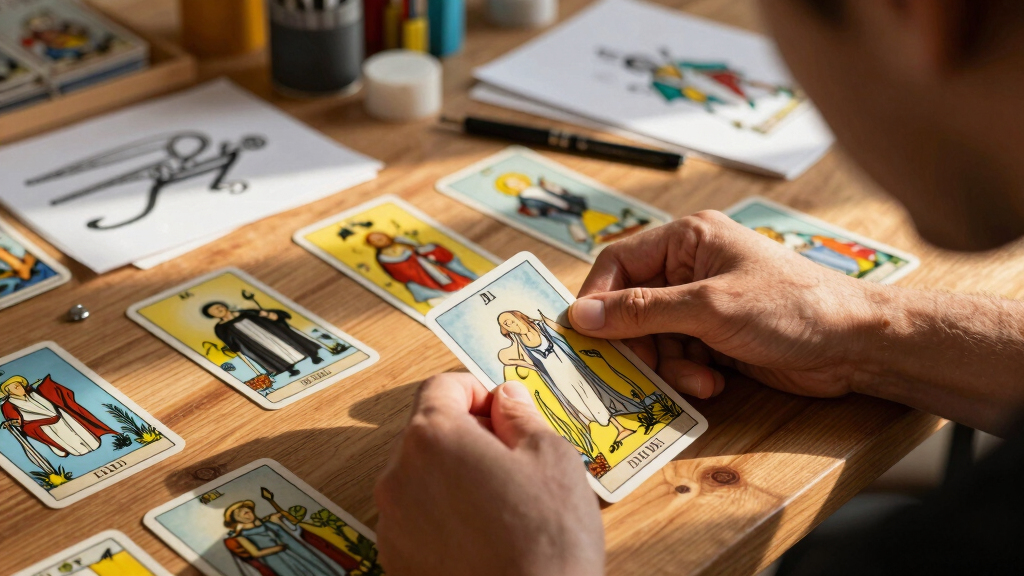
Salvador Dalí’s previously unreleased tarot deck from the 1970s has been officially published in 2026. The deck combines Dalí’s surrealist style with traditional symbolism, offering a rare glimpse into his mystical interests. The release is significant for art and tarot enthusiasts alike.
Salvador Dalí’s long-lost tarot deck from the 1970s has been officially published in 2026, offering a rare insight into the surrealist artist’s engagement with mysticism and symbolism. The deck, originally conceived as a personal project, has now been made available to the public, attracting attention from art collectors and tarot enthusiasts alike.
The deck, which Dalí designed in the 1970s, was initially commissioned by producer Albert Broccoli for a James Bond film project that was ultimately canceled. Dalí, inspired by his wife Gala and his fascination with mysticism, created 78 detailed cards that blend traditional tarot symbolism with his signature surrealist motifs, such as the rose, fly, and bull’s head.
First published in a limited edition in 1984, the deck has since been reissued by publishers including TASCHEN. The set includes an introductory booklet in Spanish, English, and French, describing Dalí’s artistic transformation of the traditional cards into surreal art pieces. The deck’s artwork features Dalí’s characteristic visual language, combining old-world art, Christian iconography, and classical sculpture.
Why It Matters
This release matters because it provides a rare intersection of high art and occult symbolism, showcasing Dalí’s personal exploration of mysticism through his distinctive surrealist lens. It offers insight into his fascination with the esoteric, while also expanding the understanding of his artistic versatility beyond painting and sculpture. For collectors, the deck represents a significant addition to Dalí’s oeuvre, blending art history with spiritual symbolism.
As an affiliate, we earn on qualifying purchases.
Background
Dalí’s interest in mysticism and the occult was well-documented, with the artist engaging in various esoteric projects throughout his career. His 1969 illustration project, Alice in Wonderland, already demonstrated his psychedelic aesthetic. The tarot deck was conceived during a period of renewed interest in the occult in the 1970s, coinciding with a broader cultural resurgence of mystical practices and tarot’s mainstream popularity.
Originally commissioned for a James Bond film, the project was abandoned, but Dalí continued working on the deck independently. It remained largely unseen until its limited publication in 1984, and has since become a sought-after collector’s item. The recent official release marks the first time the deck has been widely accessible in decades.
“Dalí’s tarot deck is a masterpiece of surrealist art, transforming traditional symbols into captivating visual narratives that deepen the mystical allure of the cards.”
— TASCHEN publisher
“Dalí’s tarot deck shows a reverence for the symbolism, yet it also reveals his playful, eccentric approach—almost as if he’s inviting us into a dreamscape.”
— Art historian Lisa Rainwater
As an affiliate, we earn on qualifying purchases.
What Remains Unclear
It is still unclear how Dalí’s original concept for the deck might have evolved had it been used in the context of the James Bond film, or how closely the published deck aligns with his initial vision. Additionally, the full extent of Dalí’s personal interest in tarot remains a subject of scholarly inquiry.
As an affiliate, we earn on qualifying purchases.
What’s Next
The official publication of Dalí’s tarot deck is expected to spark further exhibitions and scholarly analysis. Art collectors and tarot practitioners may seek limited editions or reproductions, and future research could explore Dalí’s influence on contemporary mystical art.
limited edition Salvador Dalí tarot
As an affiliate, we earn on qualifying purchases.
As an affiliate, we earn on qualifying purchases.
Key Questions
When was Salvador Dalí’s tarot deck created?
Dalí designed the deck in the 1970s, although it was not published until 1984 and officially released in 2026.
What makes Dalí’s tarot deck unique?
It combines Dalí’s distinctive surrealist style with traditional tarot symbolism, featuring motifs like the rose, fly, and bull’s head, all infused with his artistic vision.
How can I view or acquire the deck?
The deck is available through select publishers such as TASCHEN, with limited editions and reproductions accessible for collectors and enthusiasts.
Did Dalí intend for the deck to be used for divination?
Dalí’s personal intent remains unclear, but his artwork emphasizes symbolism and artistic expression over fortune-telling, aligning with his surrealist interests.
Fall Picks
fall essentials
As an affiliate, we earn on qualifying purchases.