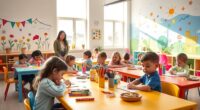
Collaborative art projects in schools and communities bring together diverse talents to create meaningful, collective works. They boost creativity, foster teamwork, and build a strong sense of belonging. These projects often serve as symbols of unity, allowing participants to express cultural stories and shared aspirations. Additionally, they support emotional healing and social connection, making art relevant and accessible. If you want to discover more about how these initiatives transform communities, keep exploring the inspiring possibilities.
Key Takeaways
- Collaborative art projects foster community identity, pride, and shared purpose among students and residents.
- They enhance social skills such as teamwork, patience, and compromise through group creative efforts.
- Art therapy techniques in group projects support emotional healing and promote well-being.
- Community murals visually reflect diverse perspectives, encouraging dialogue on local values and aspirations.
- Partnering with local organizations integrates art into community development and wellness initiatives.

Collaborative art projects bring together diverse talents and ideas to create something unique that no single artist could achieve alone. When you participate in these projects, you’re tapping into a collective energy that fuels creativity and fosters a sense of community. This is especially true in school and community settings, where the power of art extends beyond individual expression to touch on social, emotional, and cultural themes. One impactful way collaborative art makes a difference is through art therapy, which uses group art activities to promote healing and emotional well-being. In schools and community centers, art therapy sessions often involve group projects that encourage participants to share their stories, express feelings, and support one another. These projects help break down barriers, build trust, and foster a sense of belonging among participants who might otherwise feel isolated.
Collaborative art fosters community, healing, and shared expression through group projects and art therapy.
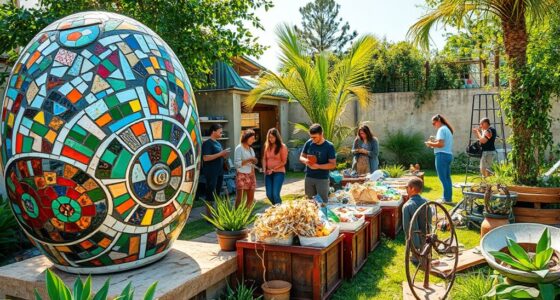
Community mural programs are another excellent example of collaborative art in action. These large-scale projects involve local residents, students, artists, and organizations coming together to create murals that reflect their shared identity, history, or aspirations. As you work on a community mural, you experience firsthand how diverse perspectives can blend into a cohesive visual narrative. These murals do more than beautify a neighborhood; they serve as powerful symbols of unity and pride. They also provide a platform for dialogue, allowing community members to discuss their collective values and concerns while working toward a common goal. The process of designing and painting a mural encourages teamwork, patience, and compromise, all essential skills for fostering stronger community ties.
Participating in collaborative art projects like community murals can also boost individual confidence and inspire continued artistic exploration. When you see your contribution as part of a larger masterpiece, you realize the impact of working together toward a shared vision. This sense of achievement can translate into increased self-esteem and a deeper understanding of how collective effort can create meaningful change. Additionally, these projects often involve partnerships with local organizations, schools, and health services, integrating art into broader community development and wellness initiatives. This collaboration amplifies the benefits, making art accessible and relevant to everyone involved. Moreover, understanding the importance of building trust and cooperation is essential for successful collective efforts, especially in diverse groups.
In the end, engaging in collaborative art projects in schools and communities demonstrates that art is more than just personal expression; it’s a catalyst for social connection, healing, and transformation. Whether through art therapy sessions or community murals, you’re part of something larger than yourself, contributing to a vibrant tapestry of shared creativity and community pride.
Frequently Asked Questions
How Do I Secure Funding for Community Art Projects?
You can secure funding by researching grant applications from local arts councils, foundations, and government programs. Prepare a compelling proposal that highlights your project’s community impact and creativity. Also, explore sponsorship opportunities by reaching out to local businesses or organizations interested in supporting the arts. Building relationships and demonstrating how your project benefits the community will increase your chances of obtaining the necessary funds.
What Safety Precautions Are Necessary for Large-Scale Murals?
You might be surprised to find that safety for large-scale murals hinges on a thorough risk evaluation and proper protective gear. Before starting, identify hazards like falling, toxic fumes, or sharp tools. Make sure everyone wears helmets, masks, gloves, and harnesses when needed. By assessing risks early, you prevent accidents and ensure a safe, enjoyable experience for all involved. Safety isn’t just a rule; it’s your foundation for successful mural creation.
How Can I Involve Non-Artistic Community Members Effectively?
You can involve non-artistic community members effectively by focusing on community engagement and inclusive participation. Encourage everyone to share ideas, stories, or symbols that resonate with them, making the project meaningful. Organize workshops or collaborative sessions that welcome diverse skills and backgrounds. Promote open communication, ensuring all voices are heard and valued. This approach fosters a sense of ownership, unity, and pride, making the project truly representative of the entire community.
What Are Common Challenges Faced During Collaborative Projects?
Challenges in collaborative projects are like tangled threads; you may face issues with team coordination, where members struggle to communicate and align goals. Sustaining momentum can also be tough, risking project sustainability over time. To overcome these, establish clear roles, foster open dialogue, and set realistic milestones. By addressing these obstacles early, you guarantee smoother teamwork and a lasting impact, making your project both successful and enduring.
How Do I Evaluate the Success of a Community Art Initiative?
To evaluate the success of a community art initiative, you should gather participant feedback to understand their experiences and engagement levels. Measure community impact by observing how the project fosters connections and sparks conversations. Additionally, assess tangible outcomes like increased participation or media coverage. Combining feedback and impact indicators helps you determine if the project met its goals and resonated with the community, guiding future efforts effectively.
Conclusion
By engaging in collaborative art projects, you foster creativity, build connections, and inspire community spirit. You learn to listen, to share, and to grow together. You discover that art isn’t just about individual expression but about collective voice, about unity in diversity, about strength in collaboration. When you participate, you realize that together, you can transform ideas into reality, challenges into opportunities, and communities into vibrant, expressive spaces. Embrace collaboration, and watch your world become more colorful and connected.