Integrating digital tools and creative storytelling in art education helps you teach coding in engaging ways. Using digital drawing tablets, animation software, and multimedia projects, you can foster coding skills alongside visual literacy. This approach encourages experimentation, critical thinking, and technical proficiency, making learning fun and relevant. As you explore these methods, you’ll discover how combining art and technology can prepare students for digital careers. Keep exploring to uncover even more strategies to boost creativity and coding skills together.
Key Takeaways
- Integrating digital art tools in education enhances creativity while teaching coding concepts visually and interactively.
- Visual storytelling projects help students understand programming logic through multimedia and narrative design.
- Digital design principles support coding skills by emphasizing structure, layout, and user experience.
- Creative digital projects build confidence and problem-solving skills essential for mastering coding and digital literacy.
- Art-based coding activities prepare students for careers requiring both artistic expression and technical proficiency.
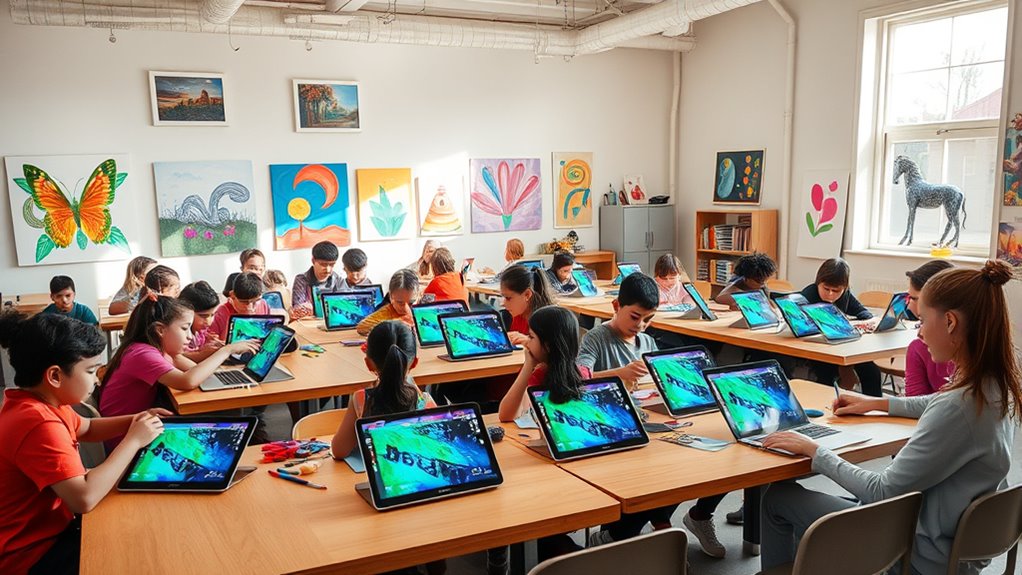
Have you ever considered how art education can boost your digital literacy skills? When you immerse yourself in art classes that incorporate digital tools, you’re not just learning to create; you’re also developing essential skills to steer through today’s tech-driven world. One key way this happens is through the use of interactive tools. These tools transform traditional art projects into dynamic, engaging experiences that encourage exploration and experimentation. For example, digital drawing tablets, animation software, and design platforms allow you to manipulate visuals in real time, sharpening your ability to understand and use digital interfaces effectively. These interactive tools make learning more immersive, helping you become comfortable with technology that’s central to many careers today.
Digital tools in art classes enhance creativity and tech skills for today’s digital world.
Moreover, art education emphasizing digital creativity often involves visual storytelling, a skill that’s increasingly valuable in digital literacy. Visual storytelling combines images, graphics, and multimedia elements to communicate ideas compellingly. When you work on projects like digital comics, storyboards, or multimedia presentations, you’re learning how to craft narratives that resonate visually. This process enhances your ability to interpret and produce digital content, a crucial aspect of digital literacy. By translating ideas into visual forms, you’re practicing how to communicate clearly and creatively across digital platforms. It’s not just about making art; it’s about understanding how visuals influence perception and engagement in digital spaces.
Integrating interactive tools with visual storytelling also encourages critical thinking. As you experiment with different digital mediums, you learn to select the best formats for specific messages. You consider how colors, shapes, and layouts affect viewer understanding, and you develop an eye for design principles that make digital content more effective. These skills transfer directly to digital literacy by helping you become a more discerning consumer and creator of online content. You learn to evaluate the credibility of visual messages and to craft your own content that captures attention and conveys meaning. Developing creative problem-solving skills alongside technical proficiency prepares you to adapt to evolving digital environments.
In essence, art education that emphasizes digital tools and visual storytelling equips you with crucial skills for the modern world. It fosters creativity while simultaneously building confidence in steering through digital environments. By engaging with interactive tools, you become more proficient with technology, and through visual storytelling, you learn to communicate complex ideas clearly and persuasively. When you combine these elements, you’re not only creating art—you’re sharpening your digital literacy, preparing yourself for careers and everyday interactions in an increasingly digital society.
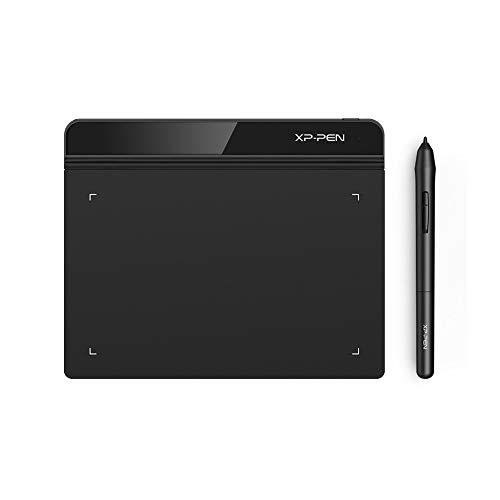
Drawing Tablet XPPen StarG640 Digital Graphic Tablet 6×4 Inch Art Tablet with Battery-Free Stylus Pen Tablet for Mac, Windows and Chromebook (Drawing/E-Learning/Remote-Working)
Battery-Free Pen: StarG640 drawing tablet is the perfect replacement for a traditional mouse! The XPPen advanced Battery-free PN01…
As an affiliate, we earn on qualifying purchases.
As an affiliate, we earn on qualifying purchases.
Frequently Asked Questions
How Can Art Educators Integrate Coding Without Prior Technical Experience?
You can start by embracing student-centered approaches that focus on creativity and exploration. Seek interdisciplinary collaboration with colleagues in technology or computer science to gain insights and resources. Use simple, accessible coding platforms like Scratch or Blockly, which require no prior experience. Encourage students to experiment, share ideas, and build projects together. This collaborative, flexible approach makes integrating coding into your art lessons easier and more engaging for everyone involved.
What Are the Best Digital Tools for Teaching Coding Creatively?
You should explore interactive platforms like Scratch and Tynker, which make teaching coding creatively accessible. These visual programming tools let you and your students drag and drop blocks to create animations, games, and art projects. They’re designed to be user-friendly, fostering creativity without needing prior technical experience. Incorporating these tools into your lessons helps students develop digital literacy while expressing themselves through engaging, hands-on coding activities.
How Does Coding Enhance Students’ Understanding of Visual Arts?
Coding sharpens your students’ visual literacy by teaching them to interpret and create digital images through artistic coding. When students code, they learn how algorithms influence visual elements, making abstract concepts tangible. This fusion of technology and art deepens their understanding of visual composition, fostering creative problem-solving. Ultimately, coding transforms how they perceive and craft visual arts, blending technical skills with artistic expression to broaden their creative horizons.
What Challenges Do Schools Face in Implementing Digital Literacy Curricula?
You face challenges like funding constraints that limit resources for digital literacy programs. Integrating new curricula into existing schedules also proves difficult, as it requires balancing technology education with traditional subjects. Schools often struggle to provide adequate training for teachers to confidently teach coding and digital skills. Overcoming these hurdles involves securing funding and developing flexible curriculum plans that seamlessly incorporate digital literacy without disrupting core learning objectives.
How Can Creative Coding Projects Be Assessed Effectively?
Think of creative coding projects as a canvas; you can assess them with a well-crafted rubric that captures both technical skills and creativity. You should develop clear, specific criteria to guide evaluation. Incorporate peer assessment to encourage collaboration and diverse perspectives. Use these tools to provide meaningful feedback, ensuring students grow both as coders and creators, turning their projects into vibrant expressions of learning and innovation.

HamiltonBuhl – STEAM Education – Animation Studio Kit
(1) AnimateIt software
As an affiliate, we earn on qualifying purchases.
As an affiliate, we earn on qualifying purchases.
Conclusion
Think of art education and digital literacy as two threads weaving a vibrant tapestry—you’re the weaver shaping a future where creativity and technology intertwine seamlessly. Teaching coding through creativity open doors to new worlds, much like an artist blending colors to create a masterpiece. By nurturing these skills together, you empower learners to become architects of innovation, constructing a landscape where imagination and digital fluency flourish side by side, shaping a truly inspired tomorrow.
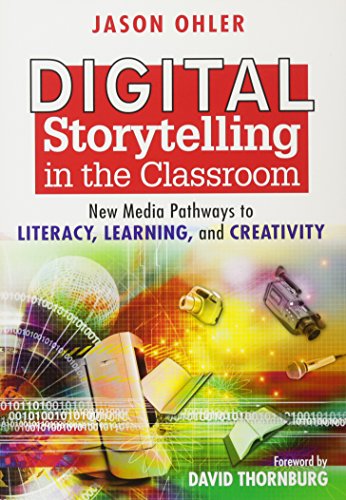
Digital Storytelling in the Classroom: New Media Pathways to Literacy, Learning, and Creativity
Used Book in Good Condition
As an affiliate, we earn on qualifying purchases.
As an affiliate, we earn on qualifying purchases.

Burning Studio 26 – Burn, copy, save – the multimedia all-rounder – burning software – create covers, inlays, disk labels for Win 11, 10
Your powerful burning software for burning and copying CDs, DVDs and Blu-ray Discs
As an affiliate, we earn on qualifying purchases.
As an affiliate, we earn on qualifying purchases.