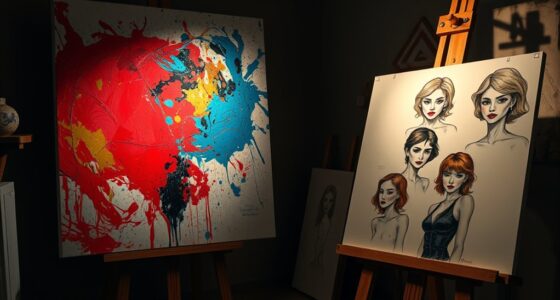

The legacy of 1960s conceptual art profoundly shifts how you experience art, emphasizing ideas, social critique, and viewer participation over traditional beauty. It encourages you to see beyond aesthetics and question art’s purpose within social and institutional contexts. This movement inspires ongoing experimentation and fosters art as a tool for dialogue and societal change. To understand how this revolutionary approach continues to influence the art world today, keep exploring its lasting impact.

Get art and craft supplies delivered free with Prime
- Fast, free delivery on millions of items
- Prime Video, Amazon Music and more included
- Member-only deals all year
Key Takeaways
- It shifted art focus from objects to ideas, processes, and social critique, influencing contemporary conceptual and social practice art.
- Its emphasis on viewer participation and institutional critique redefined the relationship between art, institutions, and audiences.
- The movement challenged traditional aesthetics and craftsmanship, promoting art as a tool for critical dialogue and societal change.
- Its revolutionary approach continues to inspire artistic experimentation and the integration of disciplines in contemporary practices.
- The legacy persists in ongoing debates about art’s purpose, authority, and role in addressing social and political issues.
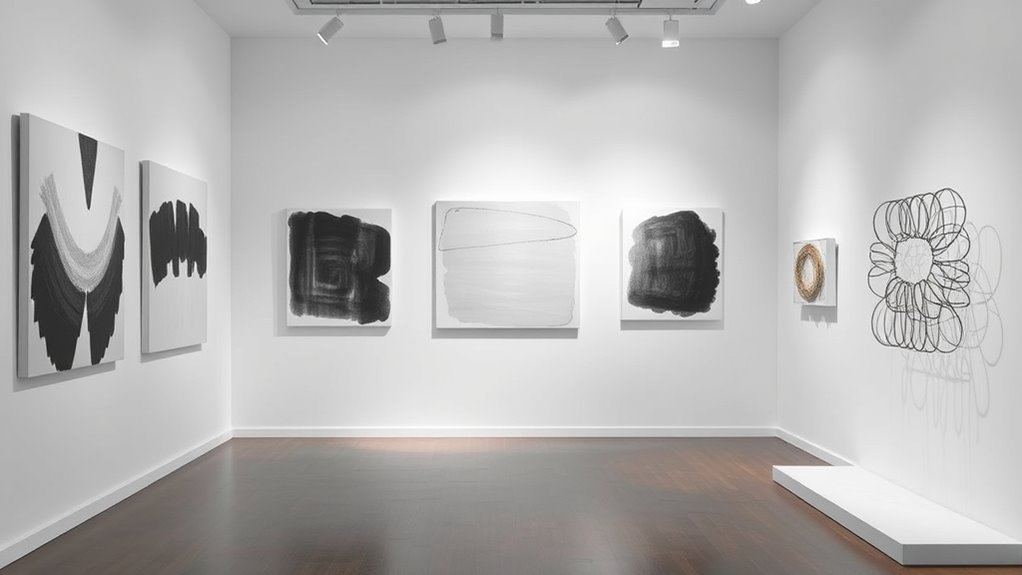
The 1960s marked a pivotal moment in the art world, as conceptual art challenged traditional notions of aesthetics and craftsmanship. During this transformative period, artists shifted focus from creating objects to exploring ideas, processes, and social contexts. You might think of performance art as one of the most provocative expressions of this shift. It dissolves the boundary between artist and audience, turning the act of creation into an event, often emphasizing the message over the finished product. Performance art invites you to engage directly, making the viewer an active participant rather than a passive observer. This approach underscores the conceptual nature of the work—it’s about ideas, experiences, and interactions, not just visual appeal. Through performance, artists questioned established art institutions and their roles, often using the platform to critique systemic issues within the art world itself, creating what’s known as institutional critique.
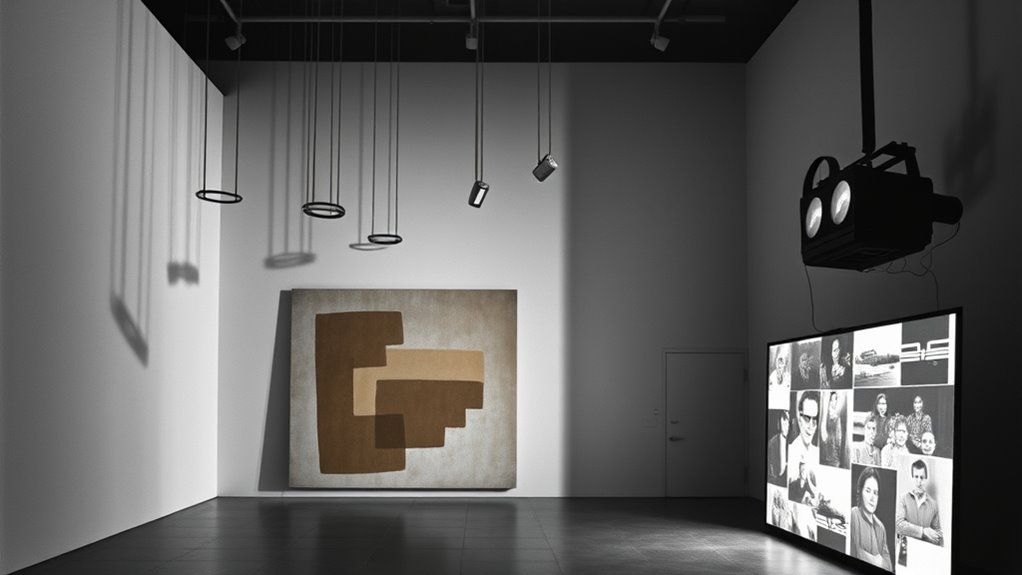
Institutional critique became a hallmark of 1960s conceptual art. You realize that artists of this era didn’t just want to produce art; they aimed to challenge and deconstruct the structures that governed art production and dissemination. By publicly questioning museums, galleries, and the art market, they exposed the power dynamics and commercial interests influencing what gets displayed and celebrated. This critique often manifested through provocative exhibitions, installations, or performances that highlighted the politics behind art institutions. It’s as if artists invited you to see beyond the polished surface, revealing the underlying systems shaping artistic value. This approach changed the way you experience art—no longer just appreciating aesthetics but also engaging critically with its social and institutional contexts.
The legacy of this period endures because it fundamentally reshaped how you think about art’s purpose. Conceptual art encourages you to look beyond the superficial, prompting questions about meaning, value, and authority. The emphasis on performance art and institutional critique paved the way for contemporary practices that blur boundaries between disciplines, emphasizing ideas over objects. Today, you see these influences in everything from social practice art to activist interventions, where the focus remains on engaging communities and questioning societal norms. The 1960s were not just about creating new art forms—they were about transforming your understanding of what art can do, pushing you to see it as a tool for dialogue, critique, and change. This legacy continues to inspire artists and viewers alike, ensuring that conceptual art’s revolutionary spirit remains alive.
As an affiliate, we earn on qualifying purchases.
Frequently Asked Questions
How Did 1960S Conceptual Art Influence Digital Art?
You see, 1960s conceptual art influences digital art by emphasizing ideas over aesthetics, which shapes how you engage with digital interfaces and interactive media. It encourages experimentation with technology, pushing artists to explore new forms of expression through computers and digital tools. This legacy fosters innovative, thought-provoking experiences where your interaction becomes central, allowing you to participate actively and shaping the art itself, much like the conceptual artists of the past aimed to do.
What Were the Main Political Messages in 1960S Conceptual Works?
Did you know that over 60% of 1960s conceptual works directly addressed political activism and social critique? You see, these artworks aimed to challenge societal norms, question authority, and push for change. They used ideas as their primary medium, making political messages clear and powerful. By doing so, they encouraged viewers to think critically about issues like war, civil rights, and government transparency, shaping future activism and artistic expression.
Which Artists Pioneered the Most Controversial Conceptual Pieces?
You’ll find that artists like Joseph Kosuth and Yoko Ono pioneered some of the most controversial conceptual pieces. They used experimental techniques and provocative themes to challenge traditional art norms. Kosuth’s text-based works and Ono’s performance art push boundaries, encouraging viewers to question perceptions and societal norms. Their daring approaches make them stand out in the history of conceptual art, highlighting how experimentation and provocation can spark meaningful dialogue.
How Was Conceptual Art Received by Mainstream Art Critics?
You find that conceptual art received mixed critical reception from mainstream critics. Many dismissed it as inaccessible or lacking traditional skill, while others praised its innovative ideas and challenge to conventions. Mainstream critique often focused on its conceptual nature rather than aesthetic qualities, sparking debate about its legitimacy within the art world. Overall, the critical reception was polarized, reflecting differing attitudes toward the movement’s emphasis on ideas over visual craftsmanship.
Are There Modern Artists Directly Inspired by 1960S Conceptual Art?
You see modern artists drawing inspiration from 1960s conceptual art through contemporary adaptations and artist collaborations. They challenge traditional boundaries by blending ideas and mediums, much like their predecessors. These artists often use language, documentation, or participatory projects to evoke thought and dialogue. Their work pays homage while pushing forward, ensuring the legacy of conceptual art remains vibrant and influential in today’s creative landscape.
As an affiliate, we earn on qualifying purchases.
Conclusion
So, as you stand before the echoes of 1960s conceptual art, realize you’re gazing into the very soul of artistic revolution. This movement didn’t just challenge norms; it changed the universe of creativity itself, rewriting what art can be. Your understanding becomes a ripple in its vast, unstoppable wave. Embrace this legacy, for in doing so, you hold the power to ignite a new era of limitless imagination—an eternal flame sparked by those daring pioneers.
art institutional critique prints
As an affiliate, we earn on qualifying purchases.
As an affiliate, we earn on qualifying purchases.
As an affiliate, we earn on qualifying purchases.
Fall Picks
fall essentials
As an affiliate, we earn on qualifying purchases.