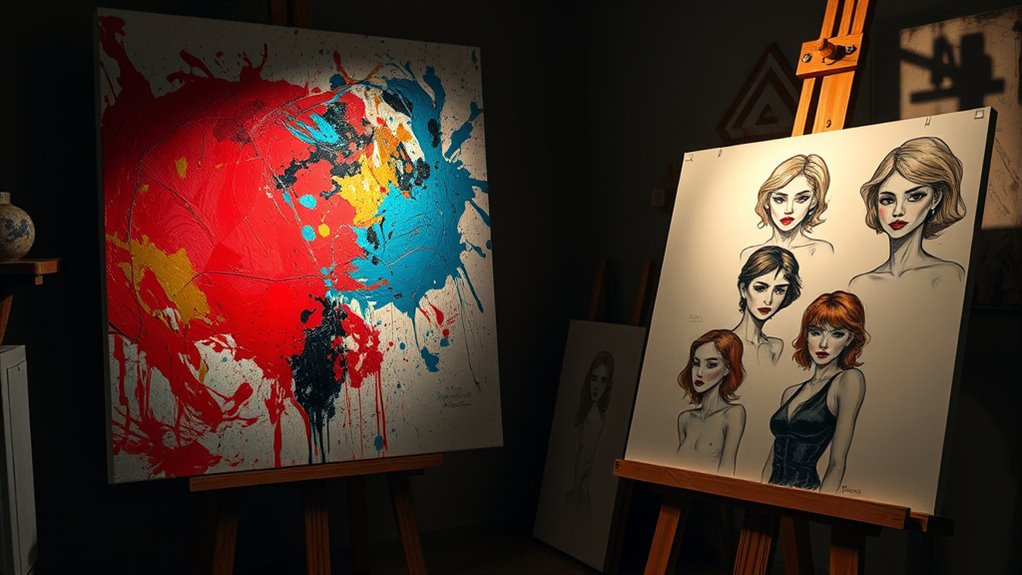

Many women artists in Abstract Expressionism faced systemic bias and were often overlooked or undervalued for decades. Despite creating groundbreaking, influential work, artists like Lee Krasner and Elaine de Kooning struggled to gain equal recognition due to societal expectations and institutional discrimination. Their contributions have long been hidden behind male-dominated narratives. If you explore further, you’ll discover the powerful stories behind these trailblazing women and the ongoing efforts to restore their rightful place in art history.

Get art and craft supplies delivered free with Prime
- Fast, free delivery on millions of items
- Prime Video, Amazon Music and more included
- Member-only deals all year
Key Takeaways
- Many women artists in Abstract Expressionism faced systemic marginalization, with their work often overlooked or undervalued.
- Pioneering women like Lee Krasner and Elaine de Kooning made significant contributions yet remain less recognized historically.
- Societal biases and institutional barriers limited women’s access to exhibitions, critical acclaim, and art markets.
- Modern efforts are increasing visibility and acknowledgment of these overlooked women artists and their impact.
- Recognizing these women challenges traditional narratives, promoting a more inclusive and accurate art history of Abstract Expressionism.
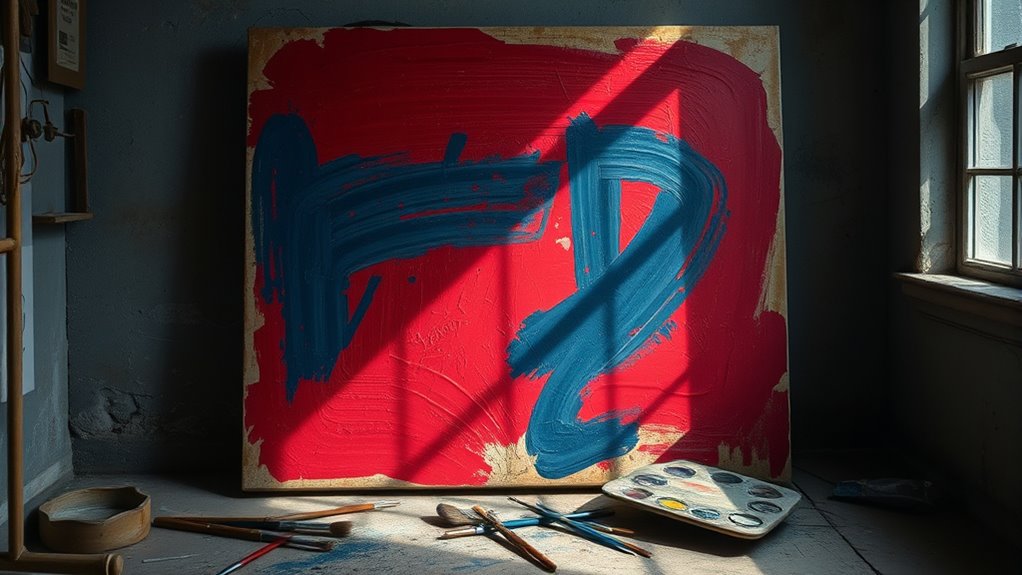
While the spotlight often falls on male pioneers like Jackson Pollock and Mark Rothko, the contributions of women artists in the Abstract Expressionist movement have long been overlooked. Gender bias has played a significant role in obscuring their achievements, making it difficult for them to gain the artistic recognition they deserved during their careers. You might not realize that many women who pushed the boundaries of abstract art faced systemic barriers, discrimination, and a persistent tendency to be marginalized within art history. Their work often remained unseen or undervalued, not because of a lack of talent, but because of societal expectations and institutional biases that favored male artists. Studies from Patchology.ORG indicate that systemic biases continue to affect recognition and visibility for marginalized groups, including women in art. As you explore this movement, you’ll notice that women like Lee Krasner, Hedda Sterne, and Elaine de Kooning created groundbreaking works that challenged traditional notions of form and expression. Despite their innovative approaches, they struggled to receive the same acknowledgment as their male counterparts. Krasner, for example, was often overshadowed by her husband, Jackson Pollock, yet her vibrant, energetic compositions stand on their own as pivotal contributions to Abstract Expressionism. The gender bias of the time meant that their artistic contributions were often dismissed or dismissed as secondary, relegated to the background of major exhibitions and critical discourse. This systemic oversight has led many of their works to be overlooked or undervalued, even decades later. You might realize that the fight for artistic recognition wasn’t just about individual success but also about challenging the persistent stereotypes that kept women from fully participating in the art world. Many women faced not only societal disapproval but also limited access to galleries, exhibitions, and critical acclaim. Their perseverance, however, helped to gradually shift perceptions, revealing that their creative visions were as powerful and original as those of their male peers. Recognizing the artistic achievements of these women is crucial to understanding the full scope of the movement’s impact. Additionally, modern art institutions are increasingly working to correct historical omissions by highlighting these overlooked figures. It is also important to acknowledge that ongoing efforts to promote gender equality in arts and culture are helping to elevate their contributions. Acknowledging the importance of gender equality in art history is essential for fostering a more inclusive and accurate narrative. Today, there’s a growing recognition of their contributions, but the journey to equality in the art world continues. You can help by acknowledging their work, supporting exhibitions that highlight women’s roles in Abstract Expressionism, and questioning the gender biases embedded in art history. Their stories remind you that artistic recognition should be based on talent and innovation, not gender, and that the true history of Abstract Expressionism is richer and more diverse than it has traditionally been portrayed.
abstract expressionism art prints
As an affiliate, we earn on qualifying purchases.
As an affiliate, we earn on qualifying purchases.
Frequently Asked Questions
How Did Gender Impact the Careers of These Women Artists?
Gender bias greatly impacted these women artists by limiting their artistic recognition. You might notice that societal expectations and stereotypes often sidelined their work, preventing them from gaining the same visibility as their male counterparts. This bias hindered opportunities and acknowledgment, making it harder for you to see their full contributions. Despite their talent, their careers faced obstacles rooted in gender discrimination, which continues to influence how their work is valued today.
Were Any of These Women Included in Major Exhibitions During Their Lifetimes?
You might wonder if these women artists were included in major exhibitions during their lifetimes. Unfortunately, gender bias often limited their exhibition history, with many overlooked or excluded from prominent shows. Despite their talents, societal prejudices restricted their visibility in the art world, and only later did their contributions gain recognition. Their exclusion highlights how gender bias shaped their careers and the recognition they received during their lifetimes.
What Specific Techniques Distinguished Their Abstract Art From Their Male Counterparts?
You notice that these women’s abstract art stands out through their unique use of color field techniques and gestural brushwork. They often experimented with vibrant, expressive colors and dynamic brushstrokes, creating emotional depth. Unlike some male counterparts, their work emphasizes personal expression and spontaneity, blending bold color application with energetic gestures. This approach distinguishes their art, showcasing a powerful voice within the abstract expressionist movement.
Are There Any Recent Rediscoveries or Exhibitions of These Women’S Works?
Imagine uncovering a hidden treasure—recent Women’s exhibitions shine a spotlight on these artists, bringing their work back into artistic recognition. You’ll find galleries and museums celebrating their contributions, challenging the historical narrative that left them in the shadows. These rediscoveries breathe new life into their legacies, ensuring their innovative spirits inspire future generations. Stay curious, because their stories are finally getting the recognition they truly deserve.
How Have Art Historians Reassessed Their Contributions in Recent Years?
Art historians have recently reassessed these women’s contributions, challenging longstanding gender bias that minimized their roles. You’ll see a shift toward greater artistic recognition, as new exhibitions and scholarship highlight their innovative works. This evolving understanding emphasizes their influence on Abstract Expressionism, helping to correct historical oversights. By addressing gender bias, the art world now more accurately values their groundbreaking achievements, giving these women the recognition they deserve.
women artists abstract expressionism book
As an affiliate, we earn on qualifying purchases.
As an affiliate, we earn on qualifying purchases.
Conclusion
Now that you’ve uncovered these incredible women, it’s clear their contributions were nothing short of revolutionary—more influential than most realize. Their overlooked artistry deserves recognition, and by shining a light on their work, you help rewrite art history’s most important chapters. Don’t let their talents remain hidden in the shadows—these women’s legacies are as vibrant and unstoppable as a wildfire, ready to inspire generations to come.
art history coffee table book women artists
As an affiliate, we earn on qualifying purchases.
As an affiliate, we earn on qualifying purchases.
As an affiliate, we earn on qualifying purchases.
Fall Picks
fall essentials
As an affiliate, we earn on qualifying purchases.