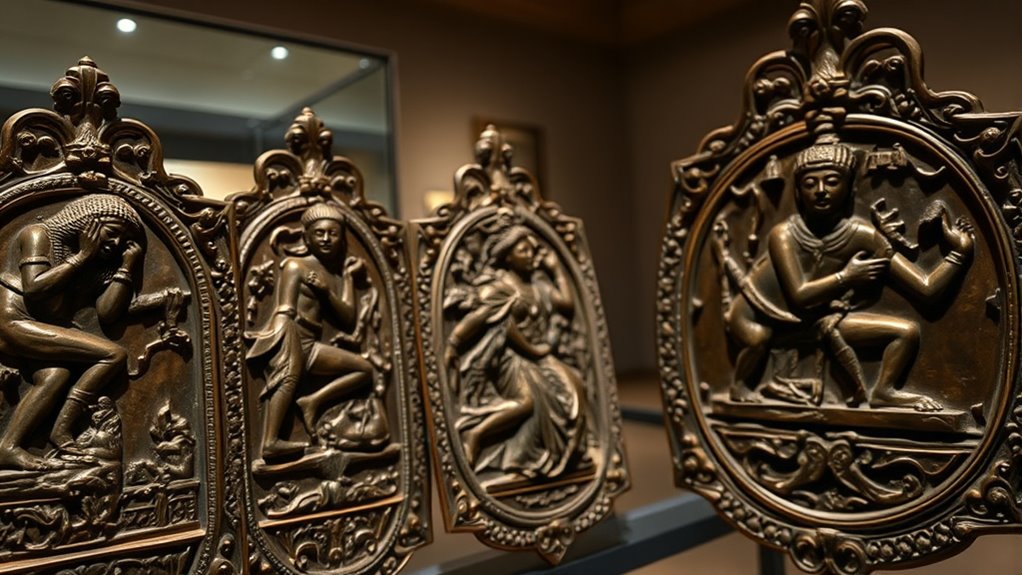

The Benin Bronzes, created by the Edo people in the 16th and 17th centuries, symbolize Nigeria’s rich cultural history. However, they were taken during Britain’s 1897 invasion, raising questions about ownership and colonial justice. Many argue these artifacts should be returned to Nigeria to restore heritage and address historic wrongs. The ongoing debate involves legal, moral, and cultural issues—continue to explore the complexities behind this controversy and what it means for global heritage.
Key Takeaways
- The Benin Bronzes were taken during the 1897 British invasion and are now at the center of debates over their rightful ownership.
- Nigeria and international institutions dispute the ownership, advocating for repatriation to restore cultural heritage.
- Restitution advocates see returning the bronzes as a moral obligation to address colonial theft and cultural erasure.
- Critics cite logistical, legal, and ethical challenges in repatriating these artifacts from Western museums.
- The controversy highlights broader issues of colonial legacy, cultural sovereignty, and international justice for formerly colonized nations.
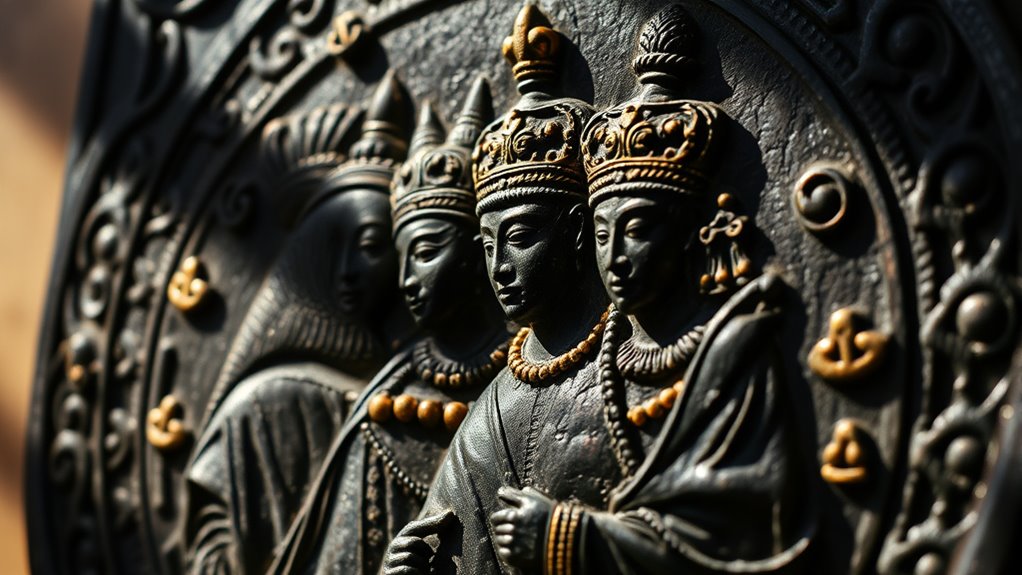
The Benin Bronzes, exquisite plaques and sculptures created by the Edo people in the 16th and 17th centuries, have become symbols of both artistic mastery and colonial exploitation. These artifacts, originally crafted to adorn the royal palace of Benin, carry deep cultural significance, reflecting the wealth, power, and spiritual beliefs of the Edo kingdom. Today, they stand at the center of ongoing debates about cultural restitution and the colonial legacy. As someone interested in history and ethics, you might wonder why these artworks, taken during the British invasion of Benin in 1897, remain scattered across museums worldwide. The colonial legacy of imperial powers often involved extracting cultural treasures without regard for their original context or significance, leaving former colonies to grapple with their restitution. You see, these bronzes aren’t just beautiful objects; they embody the identity and heritage of the Edo people, and their removal was part of a broader pattern of colonial plunder.
The push for cultural restitution aims to return these artifacts to Nigeria, where they can be appreciated within their cultural setting. Supporters argue that the bronzes are part of Nigeria’s national patrimony and that their return would help restore a sense of historical integrity and cultural pride. Critics, however, point to logistical and legal challenges, questioning whether restitution can truly rectify the colonial legacy. Still, the core issue remains: these bronzes were taken under dubious circumstances during colonial rule, and their absence contributes to the erasure of Nigeria’s cultural history. Restoring them is not just about returning objects; it’s about addressing the injustices inflicted during colonial times and acknowledging the importance of cultural ownership. Additionally, the case of the Benin Bronzes highlights the importance of cultural sovereignty in modern international relations.
As you follow this debate, you realize that the question of who owns the Benin Bronzes extends beyond individual artifacts. It symbolizes a broader struggle to reckon with colonial legacies and to recognize the rights of formerly colonized nations to reclaim their cultural heritage. Museums around the world are increasingly under pressure to reconsider their holdings and cooperate with Nigerian authorities. The conversation shifts from legal ownership to moral responsibility, emphasizing respect for cultural sovereignty. Ultimately, the effort to return the Benin Bronzes represents a step toward healing historical wounds and acknowledging that cultural artifacts should serve their communities, not just serve as museum pieces far from their origins. It’s a powerful reminder that history isn’t just about the past; it’s about how we shape justice and cultural respect today.

Guichifun Sitting Man Sculptures Home Decor – Resin Bronze Sitting Posture Holding Arms Legs Lonely Statues Decorative Objects Outdoor Gift for Men 9.25 x 5.25 x 7.5 Inch
BOOKSHELF DECORATIVE OBJECTS: Abstract modern sitting man statue made of resin, strong structure and high quality, professional casting,…
As an affiliate, we earn on qualifying purchases.
As an affiliate, we earn on qualifying purchases.
Frequently Asked Questions
What Legal Frameworks Exist for Repatriation of Cultural Artifacts?
You should know that legal statutes govern the repatriation of cultural artifacts, often involving national laws, international treaties, and conventions like the UNESCO Convention. Sovereign claims also play a role, as countries assert ownership rights over their cultural heritage. These frameworks create a legal basis for repatriation, but disputes can arise when statutes or claims conflict. Ultimately, cooperation and legal clarity help guarantee artifacts return to their rightful owners.
How Do Museums Justify Holding Contested Benin Bronzes?
Museums justify holding contested Benin Bronzes by emphasizing their role in museum preservation and cultural diplomacy. They argue that keeping these artifacts allows for expert conservation and shared public access, fostering cross-cultural understanding. Additionally, they claim that displaying the bronzes educates visitors about history and heritage. While some see this as cultural diplomacy, others argue it overlooks the need for rightful repatriation, creating ongoing ethical debates.
What Role Do International Organizations Play in Artifact Disputes?
International organizations facilitate museum collaborations and promote cultural diplomacy to resolve artifact disputes. They act as mediators, encouraging dialogue between nations and institutions, and often support repatriation efforts or joint exhibitions. By fostering mutual understanding and respect, these organizations help balance cultural heritage preservation with ethical considerations, ensuring that both source communities and museums benefit. Your role involves engaging with these initiatives to support fair, respectful resolutions for contested artifacts.
Are There Ethical Guidelines Governing the Acquisition of Historical Artifacts?
Yes, there are ethical guidelines governing the acquisition of historical artifacts. You should prioritize cultural sensitivity and ethical sourcing, ensuring artifacts are obtained legally and respectfully. These guidelines encourage transparency, respect for source communities, and adherence to international standards. By following them, you help preserve cultural heritage and prevent illicit trafficking, contributing to a more responsible and ethical approach to collecting and displaying historical items.
How Do Local Communities Benefit From the Return of Cultural Objects?
When cultural objects are returned, local communities often experience a 40% boost in cultural revitalization efforts. You benefit from local empowerment as these artifacts reconnect you with your heritage, traditions, and stories. This fosters pride and identity, encouraging community participation and preservation. The return creates a sense of ownership and respect, helping you preserve your history for future generations while actively engaging in cultural revival initiatives.

The History of African Art (Art Essentials)
As an affiliate, we earn on qualifying purchases.
As an affiliate, we earn on qualifying purchases.
Conclusion
As you stand at the crossroads of history and identity, the Benin Bronzes serve as shimmering mirrors reflecting both Nigeria’s rich culture and the shadows of colonial past. Their ownership is a delicate dance, like a river carving through ancient land—ever-changing and fiercely contested. In reclaiming these treasures, you’re not just returning artifacts; you’re helping to restore a fractured story, weaving threads of justice and heritage into a tapestry that’s as resilient as the spirits behind the bronzes.
Ancient Greek Bronze Museum Statue Replica of Pegasus (176)
Ancient Greek Bronze Museum Statue Replica Of Pegasus
As an affiliate, we earn on qualifying purchases.
As an affiliate, we earn on qualifying purchases.

Hispanic Heritage Month Stickers 1000Pcs Self-Adhesive Cultural Decals for Latino American Festival Favors Gifts, Spanish Classroom Supplies 16 Cultural Designs, Laptop Water Bottle Decorations
【Authentic Hispanic Heritage Decorations】 Celebrate with 1000 vibrant stickers featuring traditional Mexican papel picado patterns, Aztec calendars, and…
As an affiliate, we earn on qualifying purchases.
As an affiliate, we earn on qualifying purchases.