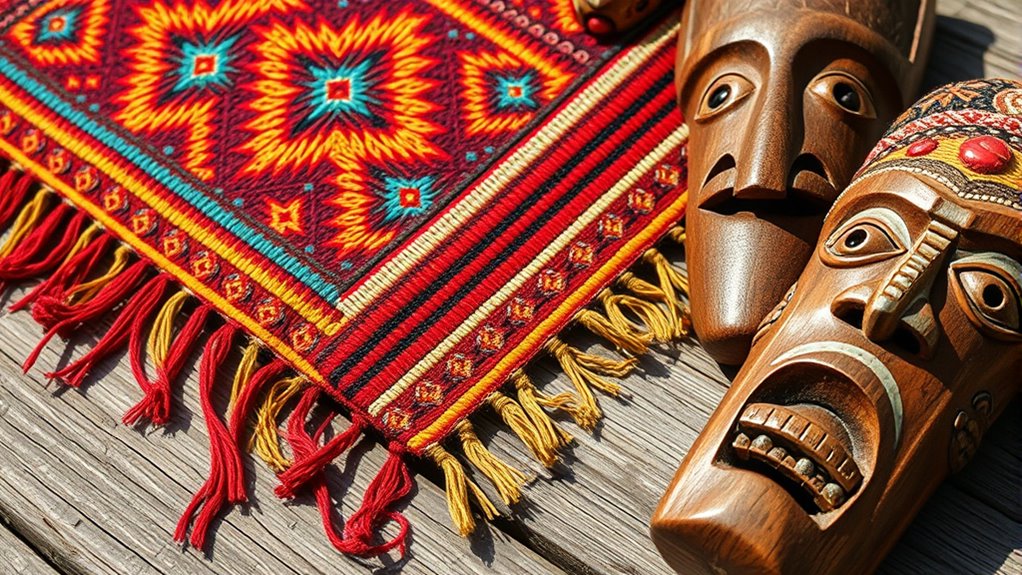

Indigenous cultural heritage includes traditions, knowledge, and artistic expressions that reflect a community’s history and spirituality. Protecting these assets means respecting their right to control how their cultural expressions are shared and used, especially to prevent misappropriation or exploitation. This involves legal recognition, community-led preservation, and clear cultural protocols. If you want to understand how rights and respect work together to keep indigenous heritage alive and protected, there’s more to explore.
Key Takeaways
- Indigenous cultural heritage includes living practices, stories, and artifacts that embody community identity and spiritual beliefs.
- Protecting traditional knowledge ensures community control and prevents misappropriation of valuable practices like medicinal plant use.
- Cultural expressions such as dance, storytelling, and craftwork serve as living links to ancestors and reinforce social cohesion.
- Legal frameworks are necessary to safeguard indigenous communities’ rights over their cultural expressions and promote benefit-sharing.
- Respectful engagement requires seeking permission, understanding cultural protocols, and supporting community-led preservation efforts.
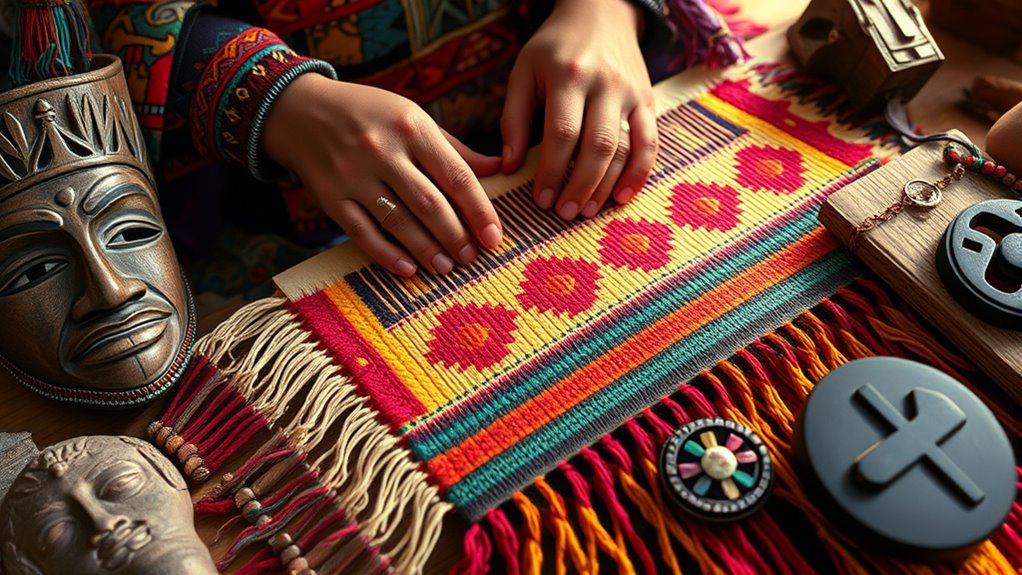
Indigenous communities possess rich cultural heritage that embodies their traditions, knowledge, and artistic expressions. This heritage isn’t just a collection of stories or artifacts; it’s a living reflection of their history, spirituality, and unique worldview. Central to this heritage is traditional knowledge, which encompasses centuries-old practices, skills, and understandings about the environment, health, and social organization. When you think about cultural expression, it’s more than art or music—it’s the way communities communicate their identity, values, and history through dance, storytelling, ceremonies, and craftwork. These expressions serve as essential links to their ancestors and serve to transmit cultural values across generations.
Understanding and respecting indigenous cultural expression is fundamental, especially in the context of protecting their intellectual property. Unlike Western notions of property, indigenous communities often see their knowledge and cultural expressions as communal rather than individual assets. They view these as sacred, intertwined with their spiritual beliefs, and not something to be owned or commodified. When outsiders appropriate or exploit this cultural expression without permission, it can lead to cultural misrepresentation, loss of authenticity, and even spiritual harm. That’s why safeguarding traditional knowledge is a matter of respecting their rights and autonomy. It’s about ensuring they maintain control over how their cultural expressions are shared, used, and reproduced.
Respect indigenous communities’ rights to protect their sacred cultural expressions and traditional knowledge from exploitation.
You should recognize that traditional knowledge often holds practical value, such as medicinal plant use or sustainable land management techniques. Yet, this knowledge is vulnerable to misappropriation, especially when it’s extracted without proper acknowledgment or benefit-sharing. Indigenous communities have been fighting for legal frameworks that recognize their rights over this knowledge, advocating for mechanisms that prevent unauthorized use. Protecting their cultural expression also involves supporting community-led initiatives that document, preserve, and promote their traditions in ways that are culturally appropriate. This might mean establishing cultural protocols, licensing agreements, or community-based intellectual property rights. Additionally, tangible and intangible cultural heritage must be safeguarded to ensure its transmission and integrity.
In your efforts to respect indigenous cultural heritage, it’s essential to listen, learn, and seek permission before engaging with their traditional knowledge or cultural expressions. Remember, these aren’t commodities to be exploited—they’re fundamental parts of a community’s identity. Supporting policies and practices that empower indigenous communities to control their cultural assets not only promotes respect but also helps preserve this invaluable heritage for future generations. Protecting traditional knowledge and cultural expression is about honoring their sovereignty, ensuring their voices are heard, and respecting the deep cultural significance embedded within their heritage.
Uncovering Authentic Indigenous Traditions: Discovering the Rich Heritage of Indigenous Practices for Genuine Cultural Experience
As an affiliate, we earn on qualifying purchases.
As an affiliate, we earn on qualifying purchases.
Frequently Asked Questions
How Can Indigenous Communities Protect Their Intangible Cultural Heritage?
You can safeguard your intangible cultural heritage through cultural preservation efforts and community empowerment. By documenting traditions, stories, and practices, you guarantee they’re preserved for future generations. Engaging your community in these efforts strengthens their connection and ownership. Additionally, advocating for legal protections and collaborating with organizations reinforces your rights. Together, these steps help safeguard your heritage, allowing your community to maintain its identity and cultural expressions confidently.
What Legal Frameworks Exist for Indigenous Intellectual Property Rights?
You can depend on legal frameworks like the World Intellectual Property Organization’s (WIPO) treaties, national laws, and customary laws to protect Traditional Knowledge and uphold Cultural Sovereignty. These frameworks help you safeguard rights over your cultural expressions and prevent unauthorized use. By actively engaging with these laws, you ensure your community retains control, preserves your heritage, and asserts your cultural identity in the global arena.
How Does Commercialization Impact Indigenous Cultural Expressions?
Commercialization can lead to cultural commodification, where indigenous expressions are turned into market products, often stripping away their original meaning. You might see authenticity erosion as traditional practices are altered to appeal to outsiders, diluting their cultural significance. While commercialization can bring economic benefits, it risks compromising the integrity and respect of indigenous cultural expressions, making it vital to find a balance that protects their true essence.
What Role Do International Treaties Play in Safeguarding Indigenous Knowledge?
International treaties play a vital role in safeguarding your indigenous knowledge by enforcing agreements that recognize your cultural sovereignty. They set legal standards that help prevent misuse or misappropriation of your cultural expressions and traditional practices. When treaties are properly enforced, they empower you to control how your knowledge is shared and protected globally. This enforcement ensures your rights are respected, fostering respect and preserving your cultural heritage for future generations.
How Can Non-Indigenous Entities Ethically Use Indigenous Cultural Materials?
You should prioritize ethical partnerships when using indigenous cultural materials to prevent cultural appropriation. Respectfully engage with indigenous communities, seek their permission, and collaborate transparently. This approach guarantees that your use honors their cultural heritage and rights. By fostering mutual understanding and sharing benefits, you can use cultural materials ethically, supporting the preservation of their traditions while avoiding exploitation or misrepresentation.
Traditional knowledge documentation tools
As an affiliate, we earn on qualifying purchases.
As an affiliate, we earn on qualifying purchases.
Conclusion
Protecting indigenous cultural heritage is like safeguarding a precious garden—you must tend to it with care and respect. By honoring their intellectual property rights, you help ensure these vibrant traditions and stories continue to flourish for generations. Remember, your actions are the water that sustains this cultural landscape. Together, we can preserve this rich tapestry, allowing its beauty to bloom forever, enriching us all with the wisdom and identity of indigenous communities.

Vercraft 28 Pcs Wooden Mandala Painting Set Diwali Crafts Include 10 Unfinished Wood Cutouts with 18 Colored Pencil for Making Kit Mandala Crafts for Painting DIY Home Decors(Floral Style)
Comprehensive Crafting Set: with the wooden mandala decorative paint stencils set, you receive 10 wooden mandalas and 18…
As an affiliate, we earn on qualifying purchases.
As an affiliate, we earn on qualifying purchases.

The Latino Patient: A Cultural Guide for Health Care Providers
As an affiliate, we earn on qualifying purchases.
As an affiliate, we earn on qualifying purchases.