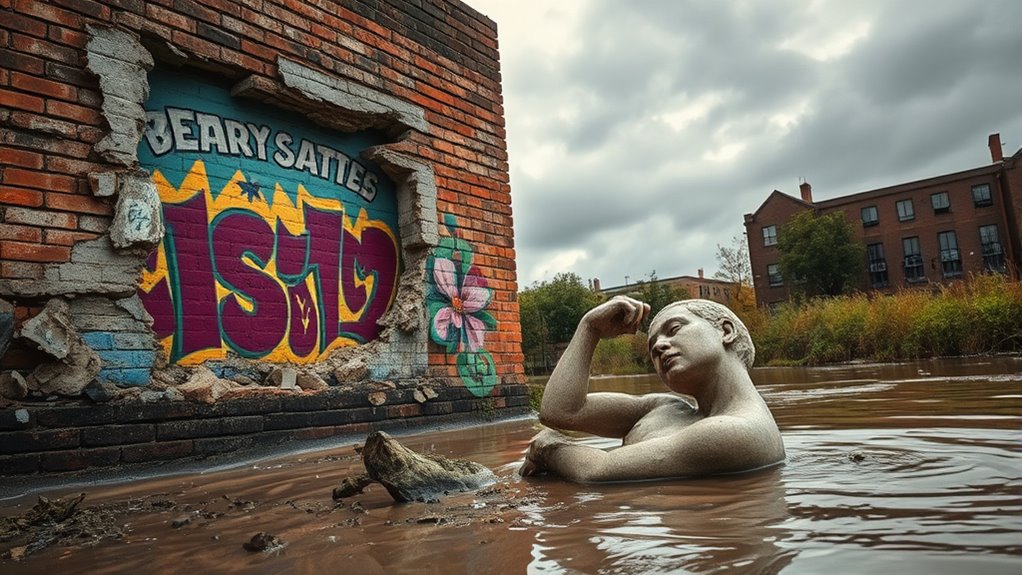

Moral rights protect your personal connection to your art and prevent its destruction or distortion that could harm your reputation or artistic integrity. These rights ensure you can object if your work is altered in a way that misrepresents your vision or damages its meaning. They help you maintain control over how your art is displayed or used, even after ownership changes. Keep exploring to see how these rights can safeguard your creative legacy.
Key Takeaways
- Moral rights protect artists’ personal connection to their work, including the right to object to destruction or mutilation.
- Artists can invoke moral rights to prevent the destruction of their work if it damages their reputation or artistic integrity.
- Destruction of art without artist consent may violate moral rights, especially when it alters the intended message or meaning.
- Moral rights emphasize the artist’s moral claim and emotional connection, helping safeguard artworks from harmful modifications.
- While copyright covers economic rights, moral rights specifically preserve the artist’s moral and personal rights over their creation.

Moral rights of artists are essential protections that guarantee creators maintain a personal connection to their work even after it changes hands. These rights ensure that the artist’s vision and intentions are respected, which is crucial when considering issues like copyright concerns and artistic integrity. When artworks are bought, sold, or displayed publicly, it’s easy for others to alter or misuse them without regard for what the artist originally intended. This is where moral rights step in, allowing creators to object to modifications that could distort or damage the meaning behind their work. Without these protections, the risk of losing the original message or emotional impact increases, and the artist’s connection to their creation can be compromised.
You might think that once you sell or transfer your artwork, your involvement ends, but moral rights remind everyone that the artist’s personal stake remains. These rights often include the right to attribution, meaning your name stays associated with the work, and the right to object to any distortion, mutilation, or modification that could harm your reputation or artistic integrity. This isn’t just about personal pride; it’s about safeguarding the authenticity and integrity of your art. When others manipulate or destroy parts of your work, it can diminish its value and meaning, especially if it no longer aligns with your original message or style.
In practical terms, moral rights help prevent situations where someone might, for example, alter your artwork in a way that distorts its meaning or destroys its emotional power. If your art is used in a commercial campaign or displayed publicly, you want to be sure that it isn’t taken out of context or changed without your consent. This is vital not only for protecting your artistic integrity but also for addressing copyright concerns. While copyright primarily covers economic rights—like reproduction and distribution—moral rights focus on the personal and moral connection you have with your work. They serve as a reminder that your creation isn’t just a commodity but an extension of your identity.
Additionally, understanding the importance of these rights can help artists advocate for top-tier protections, ensuring their work remains true to their original vision. Ultimately, moral rights empower you to defend your work against unjust alterations or destruction. They uphold your moral claim to your art, ensuring that your creative vision isn’t compromised, even when ownership changes or your work is exhibited in new contexts. By acknowledging and asserting these rights, you maintain control over the integrity and authenticity of your art, and you reinforce the personal bond that makes your work meaningful in the first place.

XPPen 6 * 4 inch Drawing Tablet with 16384 Pressure Levels IT640 Digital Graphic Art Tablet Battery-Free Stylus 60° Tilt Support OSU Drawing Pad for Beginner Compatible with Android Windows macOS
Professional 16K Pressure Pen with 60° Tilt: Draw with confidence using the advanced, battery-free stylus. Featuring 16384 levels...
As an affiliate, we earn on qualifying purchases.
Frequently Asked Questions
How Do Moral Rights Differ Internationally?
You’ll find that moral rights differ internationally due to varying standards and cultural differences. Some countries, like France, strongly protect an artist’s moral rights, emphasizing the artist’s personal connection to their work. Others, such as the US, prioritize copyright and economic rights over moral rights. These differences influence how artists’ rights are respected across borders, making international standards inconsistent and highlighting the importance of understanding local cultural values.
Can Moral Rights Be Waived or Transferred?
Imagine holding a delicate masterpiece, its soul intertwined with your own. You can waive or transfer moral rights through artist consent, but it’s not always straightforward. Moral rights waivers often require clear agreements, yet many jurisdictions protect these rights fiercely, preventing full transfer. So, while some rights may be assigned or waived, the artist’s moral connection to their work usually remains, safeguarding their moral integrity beyond mere legal contracts.
What Legal Remedies Exist for Moral Rights Violations?
If your moral rights are violated, you can pursue legal remedies like injunctions to stop further harm, damages for any loss or harm caused, and sometimes specific performance or restitution. Ownership disputes and ethical considerations often underpin these cases, emphasizing the importance of protecting an artist’s personal connection to their work. You should consult a legal expert to explore your options and guarantee your moral rights are upheld effectively.
How Do Moral Rights Affect Art Restoration Practices?
You must prioritize authenticity preservation and ethical considerations in art restoration, respecting the artist’s moral rights. This means you should avoid altering the original work in ways that compromise its integrity or message. You’re responsible for maintaining the artwork’s true intent, ensuring that any restoration enhances its condition without damaging its authenticity. By doing so, you honor the artist’s moral rights and uphold the integrity of the piece for future generations.
Are Moral Rights Recognized for Digital or Virtual Art?
You should know that moral rights are increasingly recognized for digital and virtual art, emphasizing the importance of digital authenticity and virtual ownership. These rights protect artists’ personal connection to their work, even in digital formats, ensuring that their intentions and integrity are preserved. As a creator, you’ll find that many jurisdictions are extending moral rights to online and virtual artworks, reinforcing the value of your artistic identity across digital platforms.

TCL NXTPAPER 11 Plus Android Tablet, 11.5" 120Hz 2.2K Drawing Pad & Digital Notebook, Stylus & Flip Case Included, NXTPAPER 4.0 Display, AI Tools, 8+8GB RAM, 256GB Storage, 8000mAh Battery, Onyx Black
Tablet, Drawing Pad, and Digital Notebook – All in One: Whether you’re an artist, student, professional, or entertainment...
As an affiliate, we earn on qualifying purchases.
Conclusion
As you consider the moral rights of artists and the destructive power of erasing their work, one question remains: what happens when art is lost forever? Will society recognize the true value of creative integrity before it’s too late? The stakes are higher than you think—each act of destruction echoes beyond the canvas, threatening the very essence of artistic freedom. The future of art hinges on your awareness—will you stand for its preservation?
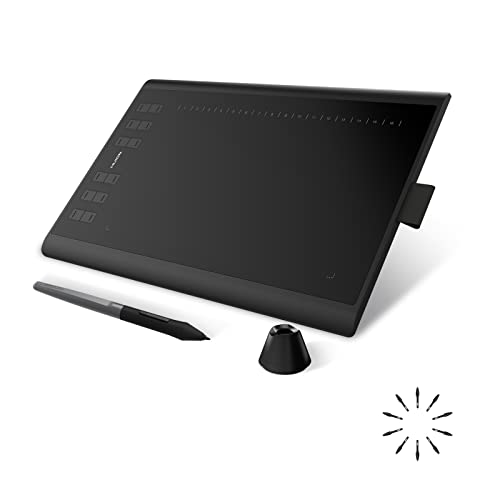
HUION Inspiroy H1060P Graphics Drawing Tablet with 8192 Pressure Sensitivity Battery-Free Stylus and 12 Customized Hot Keys, 10 x 6.25 inches Digital Art Tablet for Mac, Windows PC and Android
Working Area Configuration - HUION art tablet equips with a 10 x 6.25 inches working area, providing the...
As an affiliate, we earn on qualifying purchases.
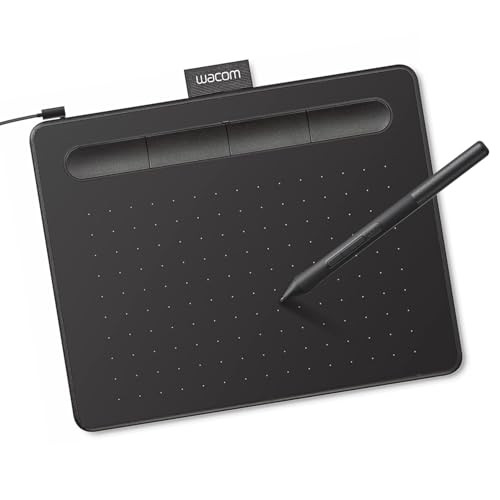
Wacom Intuos Small Graphics Drawing Tablet, Includes Training & Software; 4 Customizable ExpressKeys Compatible with Chromebook Mac Android & Windows, Black
Wacom Intuos Small Graphics Drawing Tablet: Enjoy industry leading tablet performance in superior control and precision with Wacom's...
As an affiliate, we earn on qualifying purchases.