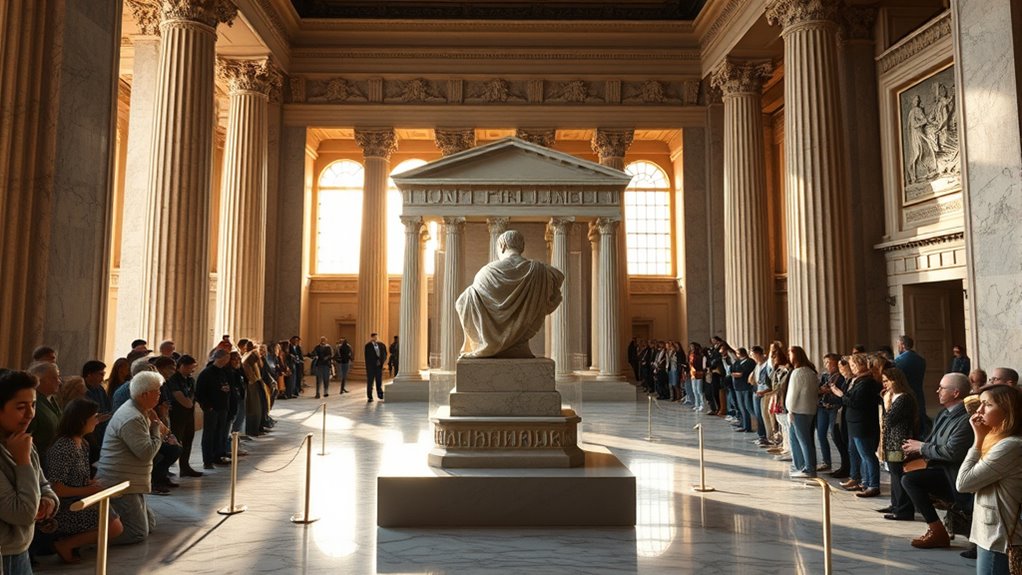

The debate over the Parthenon Marbles centers on whether they should be returned to Greece or kept in Britain. Supporters argue they are cultural treasures that belong to Greece, while others cite legal ownership claims by the British Museum. Ethical concerns also play a role, with many believing the sculptures were taken unethically. If you want to understand the full story behind this ongoing controversy, there’s much more to explore.
Key Takeaways
- The debate centers on whether the marbles should remain in London or be returned to Greece based on ethical, cultural, and legal considerations.
- Greece advocates for repatriation, citing cultural heritage, moral rights, and international law supporting the sculptures’ return.
- The British Museum claims legal ownership, but critics argue their removal was unethical and historically questionable.
- International organizations and cultural advocates increasingly support the return of cultural artifacts to their countries of origin.
- The ongoing discussion balances legal ownership rights against the moral and cultural importance of preserving Greece’s national heritage.

The debate over the repatriation of the Parthenon Marbles has intensified as calls grow louder for Greece to reclaim the ancient sculptures from the British Museum. As you follow this ongoing controversy, you’ll see that it hinges on the importance of cultural heritage and the legal principles surrounding it. The Marbles are more than just pieces of ancient art; they symbolize Greece’s history, identity, and cultural legacy. For many, returning these sculptures isn’t simply a matter of ownership but a moral obligation to restore a significant part of Greece’s cultural patrimony. The British Museum, however, maintains that it legally acquired the Marbles during the 19th century, citing the laws and practices of that time. Yet, critics argue that international law, especially conventions like the UNESCO Universal Declaration on Cultural Diversity, emphasizes the importance of respecting cultural heritage and preventing illegal or unethical transfers of cultural property. You might wonder how legal ownership is determined in such cases, especially when history is complex. The argument for repatriation suggests that the sculptures were taken under circumstances that would be considered unacceptable today, emphasizing the importance of ethical considerations alongside legal ones. Many believe that cultural artifacts should remain in their country of origin, where they can be appreciated in context and contribute to national identity. International law increasingly supports this view, encouraging countries to recover and protect their cultural heritage. The legal debate centers on whether the British Museum’s possession is justified under current international standards or if it’s an outdated interpretation of ownership rights. Greece, backed by international cultural organizations and a global movement advocating for cultural repatriation, argues that the sculptures belong to the Greek people and should be returned to Athens. This stance is reinforced by the idea that cultural heritage is a shared human legacy, but it must also be rooted in respect for the original context and ownership. As you consider this issue, recognize that the debate isn’t solely about legal technicalities; it’s about moral responsibility and the preservation of cultural identity. Recognizing the significance of cultural heritage preservation can help frame the ethical considerations involved. Whether you believe the sculptures should be returned or remain in London, understanding the legal and ethical foundations of each position is essential. The ongoing discussions highlight how international law continues to evolve in response to cultural concerns, aiming to balance legal ownership with moral rights. Ultimately, the question remains: should the Parthenon Marbles stay where they are, or is it time for them to be returned to Greece, honoring their cultural heritage and the principles of international law?
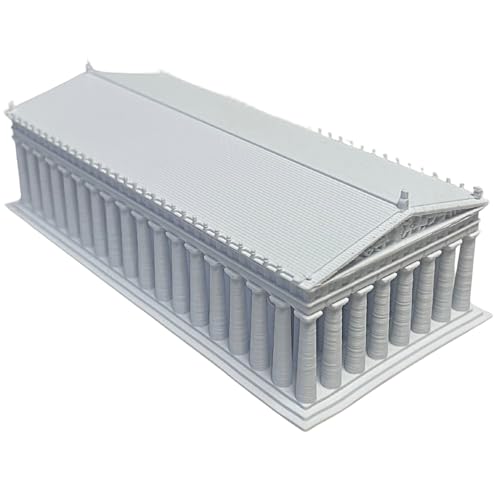
Sands3D™ Parthenon Model – Miniature Greek Temple Replica, Ancient Architecture Display, Classical Landmark Collectible
🏛️ Exquisite Parthenon Replica – A beautifully crafted miniature of the historic Greek Parthenon, showcasing its iconic columns…
As an affiliate, we earn on qualifying purchases.
As an affiliate, we earn on qualifying purchases.
Frequently Asked Questions
What Are the Legal Arguments Surrounding the Marbles’ Ownership?
You’re questioning the ownership rights and legal jurisdiction over the Parthenon Marbles. Greece argues they were illegally taken and belong to their national heritage, asserting their legal jurisdiction. Conversely, the British Museum claims lawful possession, citing acquisition processes. The legal debate centers on whether the marbles were lawfully transferred and under which country’s laws, influencing the ongoing dispute over rightful ownership and repatriation.
How Might Repatriation Impact Greece’s Tourism Industry?
Imagine walking through Athens and seeing the Marbles back where they belong. Repatriation could boost Greece’s tourism, as visitors flock to experience its rich cultural identity and heritage preservation firsthand. This emotional connection fuels pride and curiosity, drawing more travelers. By restoring the Marbles, Greece strengthens its cultural allure, inspiring tourism growth and economic benefits rooted in the authentic history that visitors cherish.
What Are the Financial Implications for the British Museum?
You might see the British Museum face financial challenges if the Parthenon Marbles are repatriated, as it could lose significant visitors and funding. The museum relies on international loans and ticket sales, and the absence of these iconic artifacts could reduce revenue. Additionally, ongoing debates might influence future donations and government support, making it harder to sustain operations and fund upcoming exhibitions without the marbles.
Have Previous Repatriation Requests Been Successful?
Historically, repatriation requests have had mixed success. Some cultural repatriation efforts, like the return of Native American artifacts, succeeded, while others, such as the Parthenon Marbles, remain unresolved. You should recognize that these precedents influence current debates, showing that governments and institutions often resist repatriation, but growing awareness and diplomatic efforts are increasingly leading to successful returns. So, while not always successful, past cases shape ongoing discussions.
What Alternative Solutions Exist Besides Full Repatriation?
Imagine the Marbles as bridges, connecting cultures across oceans. Instead of full repatriation, you can foster cultural cooperation through international exhibitions, allowing the Marbles to travel and inspire global audiences. This way, Greece and Britain share a dialogue, enriching both nations’ histories. These exhibitions serve as symbolic gestures, creating a mosaic of shared heritage, ensuring the Marbles remain a monument to unity rather than division.
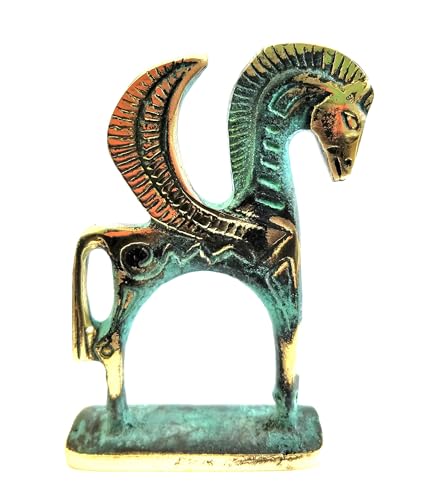
Ancient Greek Bronze Museum Statue Replica of Pegasus (176)
Ancient Greek Bronze Museum Statue Replica Of Pegasus
As an affiliate, we earn on qualifying purchases.
As an affiliate, we earn on qualifying purchases.
Conclusion
As the debate continues, you can’t help but wonder—will the marbles ever find their way home, or will history keep its secrets? The stakes are higher than ever, and each new argument adds another twist to this centuries-old story. In the end, the future remains uncertain, leaving you on the edge of your seat, keen to see which side will finally claim victory. The question lingers: what’s next for the Parthenon Marbles?

The National Atlas of Sweden: Cultural Heritage and Preservation (Volume 11)
As an affiliate, we earn on qualifying purchases.
As an affiliate, we earn on qualifying purchases.
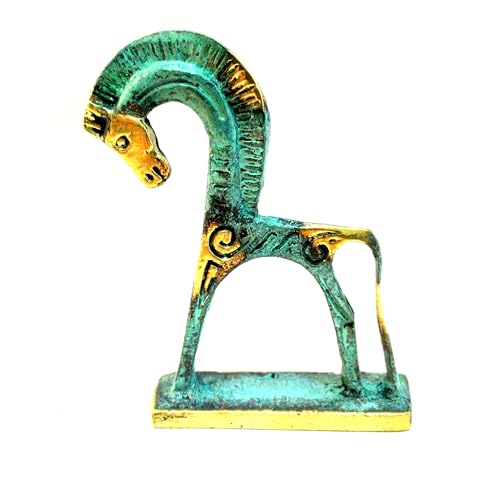
Iconsgr Ancient Greek Bronze Museum Statue Replica of Horse from Geometric Era (127)
AncientGreek Bronze Museum Statue Replica Of Horse From Geometric Era
As an affiliate, we earn on qualifying purchases.
As an affiliate, we earn on qualifying purchases.