
TL;DR

Get art and craft supplies delivered free with Prime
- Fast, free delivery on millions of items
- Prime Video, Amazon Music and more included
- Member-only deals all year
A report by Carmelite Gothic describes how Carmelite monks use computer-controlled machines to carve detailed stone elements for Gothic construction. The account outlines a digital design and machining process, but its claims about time savings and machine capability are not independently verified in the supplied material.
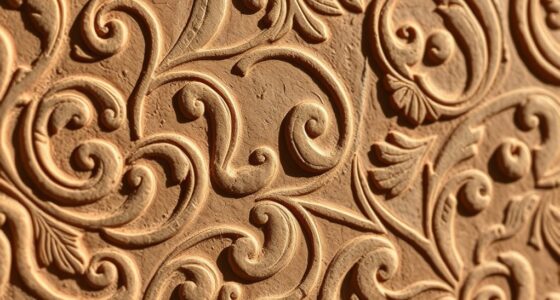
Carmelite monks are using computer numerical control (CNC) machines to carve detailed stone elements for Gothic construction, according to a report published by Carmelite Gothic. The account describes a workflow that combines computer-modeled designs, programming and diamond-tipped cutting tools, offering an example of how digital manufacturing is being applied to traditional architectural work.
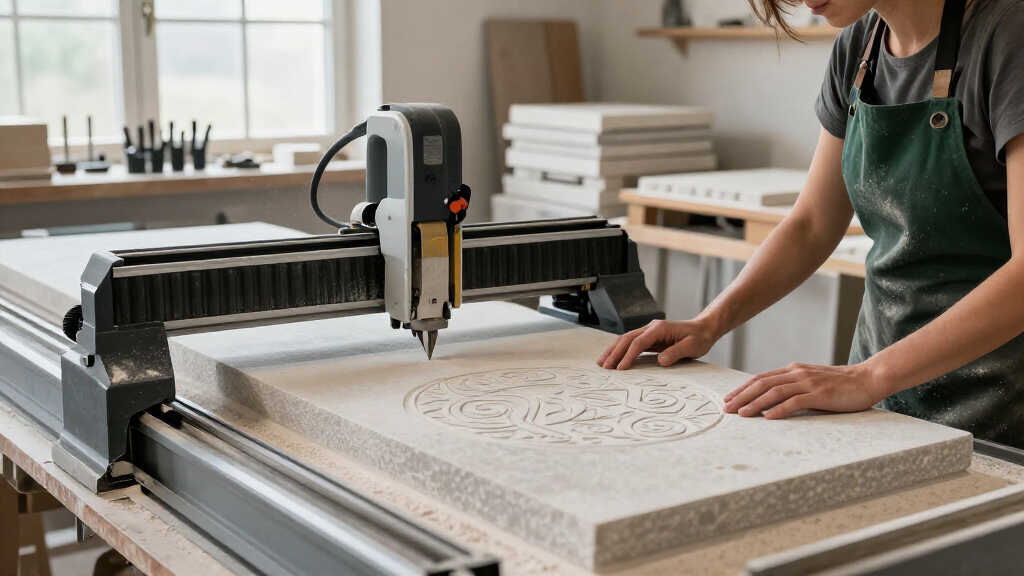
The report says the monks use Prussiani Engineering machines, made by a stone-machinery manufacturer based in Bergamo, Italy. It describes typical stone-carving CNC equipment as having five axes of movement, allowing a cutting head to approach a stone from different directions while the machine works. Some setups also use a sixth axis, such as a lathe or turntable, for tall pieces including pinnacles or statues. The report says the tools grind stone with diamond-tipped blades and milling bits; water cools the tool and washes away stone residue.
The described process starts with a head carver creating an ornament or sculpture in 3D modeling software. CNC programmers then transfer that model into computer-aided manufacturing software and prepare the toolpaths that guide the machine. The report presents the work as a combination of artistic design and technical programming, rather than a process in which software independently produces a finished architectural design.
Carmelite Gothic says ornate carving that could take a skilled craftsperson months can be completed by machine in days. It also says machines may run unattended for extended periods. Those figures and performance statements are claims in the report; the supplied material does not provide independent measurements, project records or comparisons that would verify them. The account recounts one overnight incident in which an error in a code batch caused a machine to strike completed window sills, breaking stones, while the machine itself continued to be used afterward.
Digital Tools for Gothic Stonework
The report illustrates how computer-controlled fabrication can support highly detailed stonework without removing the need for people to make design and production decisions. For builders working on ornate structures, automated cutting may make certain complex pieces more practical to produce, though actual savings depend on the design, stone, machine time, programming and finishing required.
The example also matters because it complicates a simple division between traditional craft and modern technology. In the account, the carver shapes the design digitally, while programmers translate it into machine instructions and the equipment cuts the stone. That may change which skills are needed on a project, but the report does not establish that CNC carving replaces hand carving or that it produces equivalent results across all kinds of work.
Popular right now

Breville Bambino Espresso Machine, Brushed Stainless Steel (BES450BSS)

Bose QuietComfort True Wireless Earbuds with Active Noise Cancellation, Black

Roborock F25 BX Cordless Wet Dry Vacuum Mop
As an affiliate, we earn on qualifying purchases.
From Models to Carved Stone
CNC stands for computer numerically controlled: a computer directs a machine’s movements using programmed coordinates. The source says CNC technology was first developed for manufacturing airplane parts and describes stone-cutting machines as a relatively recent application. In the monks’ workflow, a digital model determines the intended form, while toolpaths specify how the machine will cut it.
The report frames the use of machinery as a way to pursue Gothic construction with detailed ornament. Its historical argument—that medieval builders used the leading technology of their time—is the publication’s interpretation, not a separately documented finding in the material provided. The report names the Carmelite monks and Prussiani Engineering but does not give a publication date, project address, budget or independent technical assessment.
“CNC stands for “computer numerically controlled”.”
— Carmelite Gothic report
Performance Claims Need Verification
The supplied source is a first-party account and does not include independent confirmation of its production-time estimates, machine capabilities or descriptions of equipment durability. It does not specify the stone types, carving complexity, setup time or finishing work behind the comparison between months of hand carving and days of machine work.
The report also does not identify the project’s precise location, construction schedule or current status, or say how much of the building’s stonework is being made by CNC rather than by hand. The machine-damage incident is recounted by the source, but no dated records or outside account are provided. Those details remain unverified based on the material available.
Project Details Still Needed
The report does not announce a future milestone or provide a timetable for the building project. Further reporting would need to establish where construction stands, which architectural elements have been completed, and how the makers divide design, programming, machine work and hand finishing.
Independent technical information could also clarify the claimed speed advantages, including comparisons that account for programming, machine setup and finishing time. Until those details are available, the report offers a description of one group’s approach to CNC stone carving rather than a broadly verified measure of the technology’s performance.
Key Questions
What does CNC mean in stone carving?
CNC means computer numerically controlled. A computer uses programmed instructions to direct the cutting machine’s movements over the stone.
How does the reported carving process work?
According to Carmelite Gothic, a carver first creates a 3D model. Programmers then generate toolpaths in computer-aided manufacturing software, and the CNC machine follows those instructions to cut the stone.
Does CNC carving eliminate the need for skilled craftspeople?
The report does not show that it does. Its described workflow still relies on artistic design and CNC programming, and it does not compare the amount of hand finishing required with machine work.
Are the reported time savings independently confirmed?
No independent confirmation is included in the supplied material. The claim that work taking months by hand can take days on a machine is attributed to Carmelite Gothic and lacks project-level comparison data in the report.
Source: carmelitegothic.com