In digital painting, you mimic traditional techniques like blending, layering, and textured brushwork to create artwork that feels familiar yet offers more control. You can adjust brushes for softness and opacity, which helps blend colors smoothly and build up realistic textures. Layer management keeps your work organized and allows easy corrections. Using color grading and adjustment layers, you set mood and atmosphere just like traditional glazing or toning. Keep exploring these methods to enhance your digital art skills.

Get art and craft supplies delivered free — and shop member deals
- Fast, free delivery on millions of items
- Access to Prime Big Deal Days deals on October 6–7
- Prime Video, Amazon Music and more included
Key Takeaways
- Digital painting mimics traditional art techniques like brush blending and textured strokes for realistic effects.
- Layer management in digital art allows for organized work, similar to layering paints or glazes.
- Adjustable digital brushes replicate traditional media tools, enabling seamless color and tone transitions.
- Color grading techniques in digital art emulate traditional glazing and toning to set mood and atmosphere.
- Digital tools provide the flexibility to correct, modify, and experiment, enhancing traditional artistic workflows.
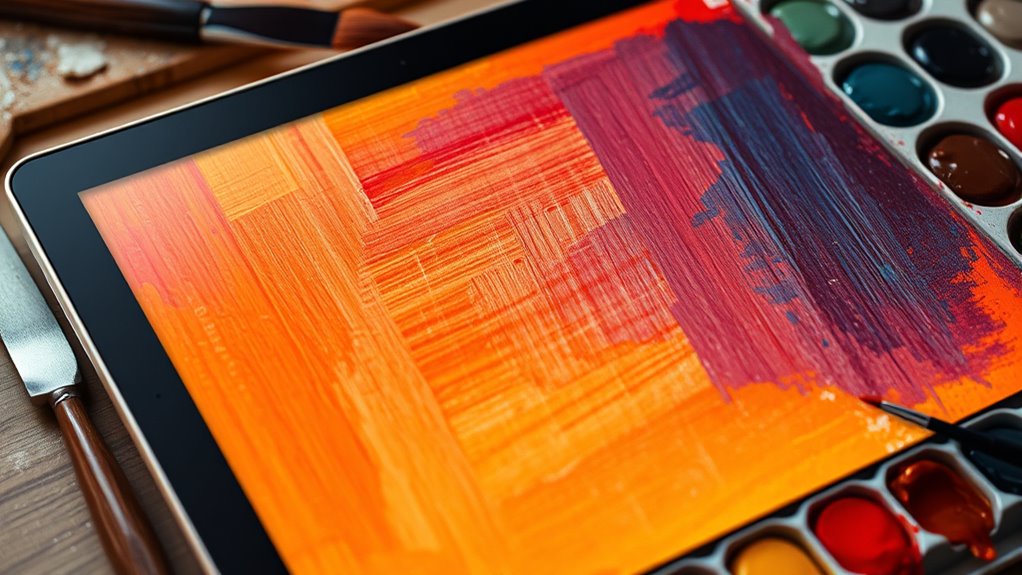
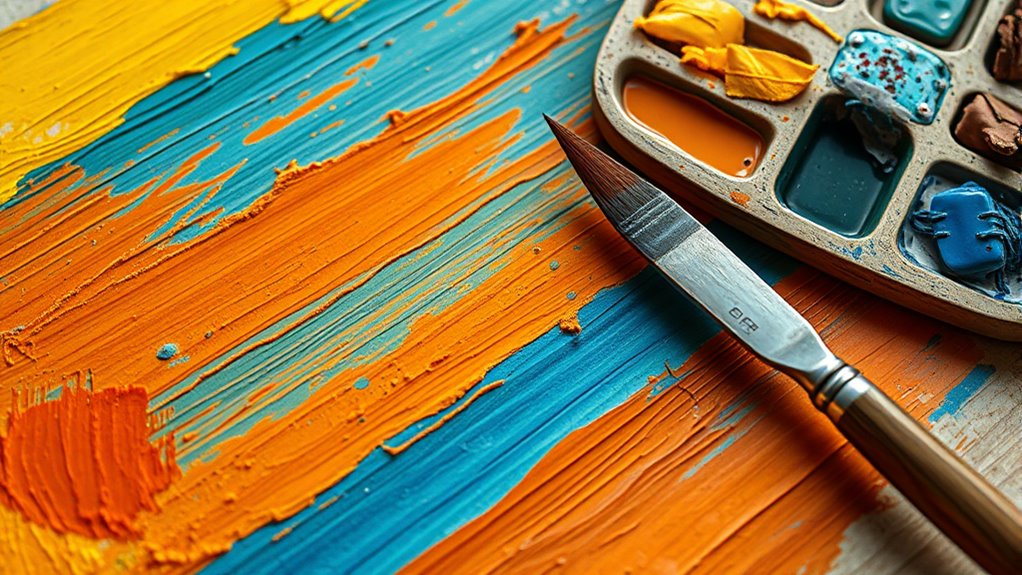
Digital painting has revolutionized how artists create and express their ideas, offering a versatile and accessible platform for both beginners and professionals. One of the most compelling aspects of digital techniques is how closely they mimic traditional methods while providing new possibilities. For instance, brush blending is a fundamental skill that allows you to seamlessly merge colors and tones, creating smooth transitions and realistic textures. Unlike traditional brushes, digital brushes often come with adjustable settings that let you control the softness, opacity, and flow, giving you precise control over your blending process. When you work on a digital canvas, you can layer and blend colors effortlessly, avoiding the muddy effects that sometimes occur with physical media. This flexibility encourages experimentation and helps you develop a more polished, professional look in your artwork. Additionally, digital tools offer the advantage of layer management, enabling you to organize different elements of your piece without the risk of damaging your work, which is a significant benefit over traditional techniques.
Color grading is another essential technique that elevates your digital paintings. It involves adjusting the overall color scheme to evoke specific moods or atmospheres, much like traditional color theory but with much greater control. With digital tools, you can tweak hue, saturation, and brightness across your entire piece or within specific areas. This process allows you to create harmonious color palettes or dramatic contrasts that draw the viewer’s eye. You can also apply filters and adjustment layers that simulate traditional techniques like glazing or toning, helping your artwork feel cohesive and visually compelling. Mastering color grading gives you the power to set the tone of your piece and guide the audience’s emotional response.
digital painting brushes with adjustable settings
As an affiliate, we earn on qualifying purchases.
As an affiliate, we earn on qualifying purchases.
Frequently Asked Questions
What Are the Origins of Traditional Digital Painting Techniques?
You might find that the origins of traditional digital painting techniques stem from historical methods that blend classic artistry with modern technology. These techniques build on artistic foundations established by traditional painting, like layering, blending, and color mixing, but adapted for digital tools. As you explore, you’ll see how artists incorporate these historical methods, transforming them into innovative digital approaches that honor the roots while pushing creative boundaries.
How Do Traditional Art Skills Influence Digital Painting Outcomes?
Think of traditional art skills as your secret palette, shaping your digital masterpiece. Your mastery of brush stroke techniques helps you create texture and depth, while your understanding of color blending guarantees smooth progression. These skills influence your digital painting outcomes by adding authenticity and nuance, much like a seasoned painter’s touch on canvas. Embracing traditional techniques allows you to elevate your digital art, making it more dynamic and expressive.
Which Tools Best Mimic Traditional Painting Textures Digitally?
You should try using brushes with realistic textures that emulate traditional brush textures, such as oil or watercolor brushes, for authentic effects. Layering techniques are essential; build up your work gradually to mimic the depth and richness of traditional paintings. Experiment with different brush settings and textures within your digital software, like Photoshop or Corel Painter, to achieve those tactile, traditional textures that enhance your digital art’s authenticity.
Can Traditional Techniques Be Adapted for Animation in Digital Art?
Yes, you can adapt traditional techniques for animation in digital art. Use brushstroke textures to add a hand-painted feel, and incorporate color blending techniques to create smooth progressions and depth. By layering these elements frame by frame, you bring a rich, traditional look to your animated scenes. Experimenting with these methods helps you craft more expressive, tactile animations that resonate with the authenticity of traditional art forms.
What Are Common Mistakes When Combining Traditional and Digital Methods?
When combining traditional and digital methods, you often make mistakes like neglecting color harmony, which leads to disjointed visuals. You might also struggle with maintaining brush consistency, causing inconsistency in texture and strokes. To avoid these errors, pay close attention to color relationships and practice with digital brushes to imitate traditional textures. This balance ensures a cohesive and polished final piece that seamlessly blends both techniques.
layer management software for digital art
As an affiliate, we earn on qualifying purchases.
As an affiliate, we earn on qualifying purchases.
Conclusion
As you master traditional techniques in digital painting, remember each stroke is a heartbeat, each layer a breath of life. Your tools become brushes, blending the old with the new—like ink flowing into digital water. Embrace the dance of light and shadow, the melody of colors shifting. With patience, your art transforms into a symphony—an enduring flame that burns brighter with every pixel you paint. Keep creating, and let your passion be the guiding star.
color grading tools for digital painting
As an affiliate, we earn on qualifying purchases.
As an affiliate, we earn on qualifying purchases.
texture brushes for digital artists
As an affiliate, we earn on qualifying purchases.
As an affiliate, we earn on qualifying purchases.
Fall Picks
fall essentials
As an affiliate, we earn on qualifying purchases.