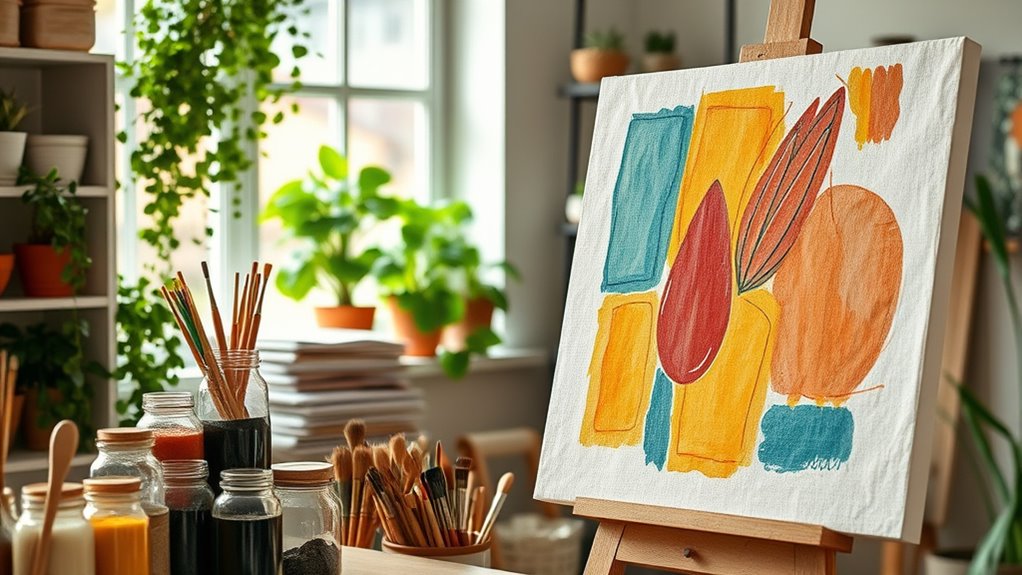

The rise of eco-friendly art materials reflects a shift toward more sustainable practices, allowing you to create while minimizing environmental harm. By choosing supplies made from responsibly sourced, recycled, or organic materials, you help protect ecosystems and reduce waste. Biodegradable packaging further decreases plastic pollution and landfill buildup. Supporting these innovations promotes a greener industry and encourages better environmental standards. If you want to learn more about how sustainable supplies impact your art and the planet, keep exploring these exciting developments.

Get art and craft supplies delivered free with Prime
- Fast, free delivery on millions of items
- Prime Video, Amazon Music and more included
- Member-only deals all year
Key Takeaways
- Growing consumer demand drives the development of biodegradable, non-toxic, and recycled art materials.
- Eco-friendly sourcing ensures raw materials come from renewable, responsibly managed resources, reducing environmental harm.
- Sustainable packaging minimizes plastic waste, supporting circular economy initiatives and reducing landfill accumulation.
- Industry innovation accelerates eco-conscious product options, encouraging artists to adopt environmentally responsible practices.
- Using eco-friendly art supplies promotes environmental stewardship and fosters a more sustainable art community.
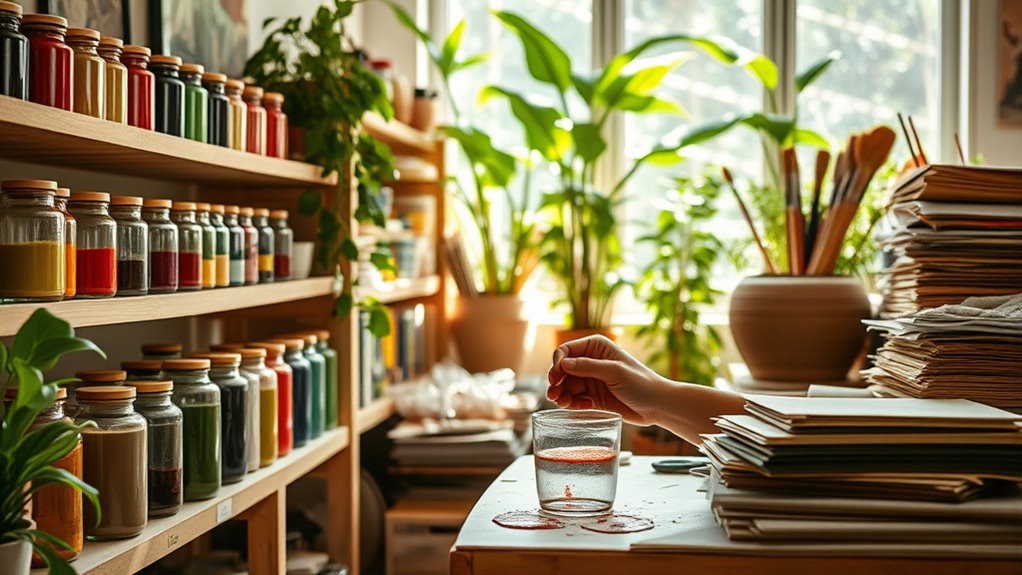
Choosing eco-friendly art materials allows you to create beautiful artwork while reducing your environmental impact. When you opt for supplies with sustainable sourcing, you’re ensuring that the raw materials come from sources that prioritize environmental health, social responsibility, and resource renewal. This means avoiding materials that contribute to deforestation, habitat destruction, or overharvesting. Instead, you select products made from responsibly managed forests, organic components, or recycled content. By doing so, you’re helping to conserve natural ecosystems and minimize your carbon footprint.
Biodegradable packaging plays a vital role in reducing waste associated with art supplies. Many traditional packaging materials, like plastics and foam, take hundreds of years to decompose, polluting land and waterways. When you choose art materials packaged in biodegradable options, you support a circular economy that emphasizes compostable and eco-friendly alternatives. These packages break down naturally without leaving harmful residues, reducing landfill accumulation and preventing plastic pollution. It’s a simple switch that can make a significant difference in your environmental impact. Incorporating biodegradable packaging also encourages manufacturers to innovate with more sustainable materials, leading to broader industry change.
Using eco-friendly art materials isn’t just about the end product; it’s also about the entire lifecycle of your supplies. From sourcing to disposal, your choices influence environmental health. Many brands now prioritize sustainable sourcing by sourcing pigments, binders, and canvases from renewable or recycled sources. They often implement transparent supply chains and fair labor practices, ensuring that your art doesn’t contribute to environmental degradation or social injustice. When you research and select these brands, you’re supporting a more ethical and sustainable art industry. Embracing sustainable sourcing can also inspire other sectors to adopt more environmentally conscious practices.
Furthermore, choosing eco-conscious materials encourages innovation within the art community. As demand grows, manufacturers are incentivized to develop new sustainable products and packaging solutions. This progress means you’ll find more biodegradable, non-toxic, and recycled options becoming available, expanding your creative possibilities without compromising your values. Your decision can promote industry-wide change, inspiring other artists to follow suit.
Incorporating eco-friendly art materials into your practice demonstrates that artistry and environmental responsibility can go hand in hand. It’s about making mindful choices that protect the planet while allowing your creativity to flourish. With sustainable sourcing and biodegradable packaging, you can create stunning artwork that aligns with your values and reduces waste. Every piece of eco-conscious art you produce helps build a more sustainable future, proving that even small actions can lead to meaningful change. Additionally, supporting the trend of eco-friendly art supplies can help promote sustainable manufacturing practices across the industry.
As an affiliate, we earn on qualifying purchases.
Frequently Asked Questions
Are Eco-Friendly Art Materials More Cost-Effective Long-Term?
You might find eco-friendly art materials more cost-effective long-term because they often lead to cost savings through durability and fewer replacements. Although the initial purchase may be higher, their longer lifespan reduces the frequency of purchases. Over time, you could save money as you avoid constantly buying new supplies, making eco-friendly options a smart choice for your budget and creative projects.
How Do Eco-Friendly Art Supplies Compare in Durability and Quality?
Imagine you’re choosing between synthetic and natural brushes with sustainability certifications. Eco-friendly supplies often match or surpass conventional options in durability and quality. For example, natural brushes made from sustainably sourced bamboo can be as resilient as synthetic ones, thanks to quality craftsmanship. While natural products might vary, certifications guarantee they meet high standards, making eco-friendly options a reliable choice for longevity and performance.
Can Eco-Friendly Pigments Match Traditional Color Vibrancy?
You might wonder if eco-friendly pigments can match traditional color vibrancy. In a vibrancy comparison, eco-friendly pigments have improved markedly, offering rich, vivid hues that can rival conventional options. While some eco-friendly pigments may have slightly less color longevity, advances in formulation now ensure their colors stay bright longer. So, you can confidently use eco-friendly pigments for vibrant artwork without sacrificing durability or intensity.
What Are the Best Practices for Disposing of Eco-Friendly Art Materials?
You should recycle paint containers to reduce waste and prevent pollution. For natural pigments, compost them if they’re biodegradable, ensuring they won’t harm the environment. Avoid pouring leftover paint or pigments down the drain, as this can contaminate water sources. Proper disposal not only helps the environment but also supports sustainable art practices. Always check local guidelines for specific disposal instructions, and prioritize recycling and composting whenever possible.
How Do Eco-Friendly Art Materials Influence Artist Health and Safety?
Eco-friendly art materials positively influence your health benefits by reducing exposure to toxic chemicals, which can cause skin irritation or respiratory issues. They often meet stricter safety standards, ensuring safer use during your creative process. By choosing these materials, you minimize health risks, making your art practice safer and more sustainable. This focus on safety standards helps protect your well-being while allowing you to create confidently with environmentally conscious supplies.
As an affiliate, we earn on qualifying purchases.
Conclusion
By choosing eco-friendly art materials, you not only create beautiful works but also protect the planet for future generations. Your mindful choices can make a real difference, reducing harmful waste and conserving resources. Remember, a journey of a thousand miles begins with a single step—every small act counts. Embrace sustainable art practices and let your creativity inspire positive change. After all, art has the power to heal both the soul and the Earth.
As an affiliate, we earn on qualifying purchases.
As an affiliate, we earn on qualifying purchases.
Halloween Picks
halloween
As an affiliate, we earn on qualifying purchases.