
TL;DR

Get art and craft supplies delivered free with Prime
- Fast, free delivery on millions of items
- Prime Video, Amazon Music and more included
- Member-only deals all year
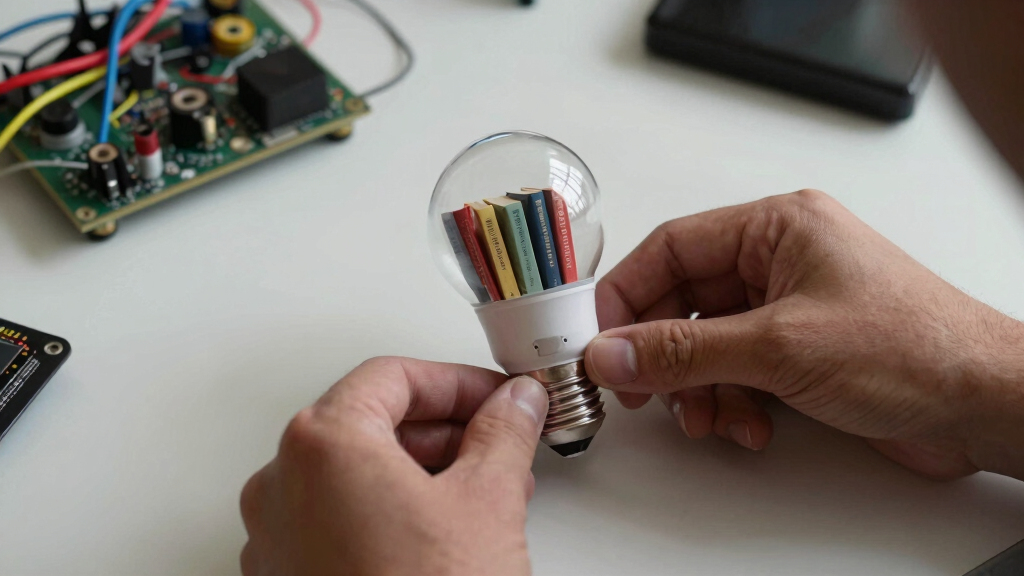
A hobbyist hacked a Wi-Fi smart light bulb to serve as a covert library of banned books. The project demonstrates potential for discreet digital sharing, raising security and censorship concerns.
A hobbyist has modified a Wi-Fi smart light bulb to serve as a covert library hosting banned books, raising questions about digital censorship and device security.
The project involved purchasing Wi-Fi light bulbs with pre-installed Tasmota firmware, which allows firmware modifications over-the-air. The hacker opened the device, identified the ESP32C3 chip, and explored adding storage options like microSD cards to host digital books. The goal was to create a discreet, portable server that could be placed in communities to bypass censorship, as the device’s small size and inconspicuous design make it difficult to detect.
While the hacker successfully accessed the device’s internal components and considered expanding storage capacity, the limited 4MB flash memory presents a significant challenge for hosting large libraries. The project remains in experimental stages, with potential further modifications to increase storage and functionality. The developer emphasized that the device could be left powered on, allowing nearby Wi-Fi-enabled devices to access the content without raising suspicion.
Implications for Digital Censorship and Privacy
This project highlights how common IoT devices can be repurposed for covert data sharing, complicating efforts to control or monitor digital content. It raises concerns about the security of smart devices, which could be exploited for malicious or illicit purposes. The ability to hide forbidden content in everyday objects underscores the need for better security standards and awareness about the potential misuse of connected technology.
Popular right now

TCL 85-Inch QM6K Series QLED Mini LED 4K HDR Smart Google TV

LG 85-inch QNED75B Mini LED Smart TV Bundle with HDMI and CPS Protection Plan

Ninja DualZone Smart Air Fryer, 10 Qt, 6-in-1, DZ950
As an affiliate, we earn on qualifying purchases.
Background on IoT Hacking and Digital Censorship
The idea of using IoT devices for clandestine information sharing is not new. Previous efforts have involved hacking smart home devices or creating hidden servers. This project builds on those concepts, inspired by cyberpunk themes and digital privacy advocates who warn about the vulnerabilities of connected devices. The use of open-source firmware like Tasmota is common among hobbyists seeking to bypass manufacturer restrictions and regain control over their devices.
While the concept of hosting banned books is controversial, it also touches on broader debates about censorship, free speech, and the potential for technology to serve as a tool for resistance. The project’s emergence coincides with ongoing discussions about digital rights and the security risks posed by IoT devices.
“The idea was to create a discreet device that could host banned books and be placed in communities without drawing attention.”
— Hacker behind the project
Technical and Security Limitations of the Device
It remains unclear how feasible it is to expand the device’s storage capacity sufficiently to host large libraries, given the 4MB flash memory limit. The stability and security of such modified devices in real-world scenarios are also untested, and potential vulnerabilities could be exploited by malicious actors. Additionally, the extent to which this project could be scaled or replicated remains uncertain, as it requires technical expertise and hardware modifications.
Potential Developments and Security Responses
Further testing will determine if additional storage solutions or firmware modifications can make this concept practical. Security researchers may analyze the modified devices for vulnerabilities, and manufacturers could consider implementing safeguards to prevent unauthorized modifications. Policymakers and digital rights advocates might also scrutinize the implications for censorship resistance and device security. The project’s creator plans to explore expanding storage and refining the device’s functionality.
Key Questions
While technically possible, using such devices for illegal content sharing would be unlawful and is not recommended. The project aims to demonstrate potential vulnerabilities and resistance to censorship, not to promote illegal activities.
How secure are these modified devices against hacking or malicious use?
Modifying IoT devices can introduce security vulnerabilities, especially if firmware is altered. Such devices may become targets for malicious actors or could be exploited to access private networks.
Could manufacturers prevent this kind of modification?
Yes, manufacturers could implement security measures such as secure boot, encrypted firmware, and tamper detection, but many low-cost devices lack these protections, making modifications easier.
Is this project legal?
The legality depends on local laws regarding device modification and content hosting. Creating or using such devices for illegal purposes would be unlawful.
What are the ethical considerations of hosting banned books in this way?
This raises debates about censorship, free speech, and digital rights. While it can serve as a form of resistance, it also risks enabling illegal or harmful content distribution.
Source: Hacker News