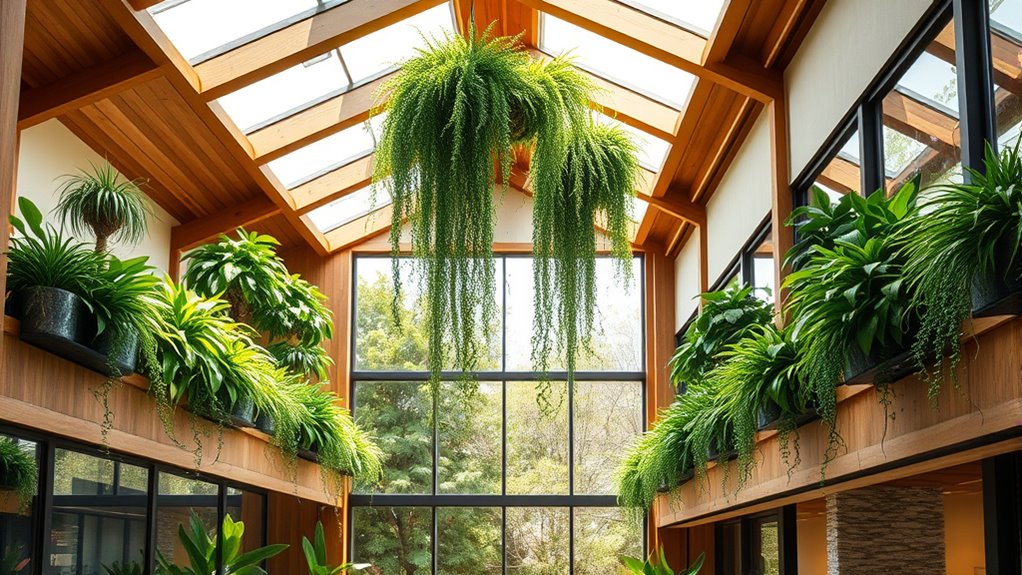

Biophilic architecture brings nature indoors by incorporating plants, natural light, and open spaces into your environment. It creates healthier, more inviting spaces that boost your mood and focus. You’ll notice improved air quality, natural aesthetics, and greater well-being. Large windows, green walls, and ample sunlight make your space feel lively and grounded. To discover how these elements transform everyday environments and support your health, keep exploring to unseal more insights.
Key Takeaways
- Biophilic architecture integrates natural elements like plants, green walls, and water features to create lively, health-promoting indoor environments.
- It utilizes large windows, skylights, and glass walls to maximize natural light and establish visual connections with outdoor nature.
- Incorporating indoor greenery enhances air quality, reduces stress, and promotes well-being for occupants.
- Natural lighting in biophilic design supports circadian rhythms, improves mood, and increases productivity.
- This design approach is widely used in workplaces, hospitals, and homes to foster healthier, more inviting spaces that connect people with nature.
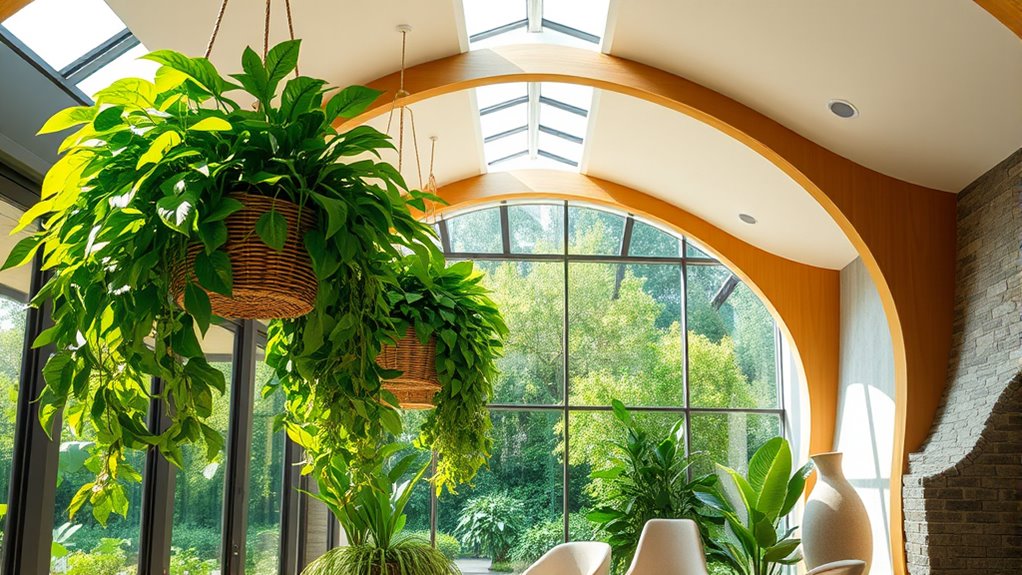
Have you ever wondered how buildings can better connect us with nature? When you step into spaces designed with biophilic architecture, you immediately notice the difference. These designs prioritize indoor greenery and natural light, creating environments that feel alive and inviting. By integrating plants indoors, you’re not just adding aesthetic appeal; you’re fostering a healthier, more calming atmosphere. Green walls, potted plants, and hanging gardens bring bursts of greenery into otherwise sterile interiors, making you feel more grounded and connected to nature. This infusion of plant life isn’t just decorative—it improves air quality, reduces stress, and boosts productivity. When natural light floods these spaces, it enhances the overall experience, making interiors feel open and vibrant rather than confined or dull.
Indoor greenery and natural light create inviting, healthful spaces that connect us to nature and enhance well-being.
Natural light plays a vital role in biophilic design because it regulates your circadian rhythms, helping you feel more alert during the day and relaxed in the evening. Architects intentionally incorporate large windows, skylights, and glass walls to maximize daylight penetration. This approach reduces reliance on artificial lighting, which can disrupt your biological clock and contribute to fatigue. As sunlight streams in, it illuminates the indoor greenery, making the plants appear more lively and fostering a seamless connection between indoors and outdoors. The interplay of light and greenery creates a sense of harmony and balance, encouraging you to spend more time in these spaces and feel more at ease.
You might notice that spaces designed with biophilic principles often feature open layouts and visual connections to nature outside. These elements amplify the effect of natural light, making rooms feel larger and more welcoming. When you’re surrounded by indoor greenery and bathed in natural light, your mood improves, and your focus sharpens. This connection to nature isn’t just about aesthetics; it’s about transforming your environment into a sanctuary that supports your well-being. It’s no coincidence that workplaces, hospitals, and homes increasingly adopt biophilic features—they recognize the profound impact these elements have on your mental and physical health. Additionally, incorporating natural light into design reduces the need for artificial lighting and promotes energy efficiency.
In essence, biophilic architecture makes it easier for you to experience nature’s benefits every day. By thoughtfully incorporating indoor greenery and natural light, designers help you forge a stronger bond with the natural world, even within the confines of urban life. That connection isn’t just pleasant—it’s essential for your overall health and happiness, proving that good design can truly improve your quality of life.
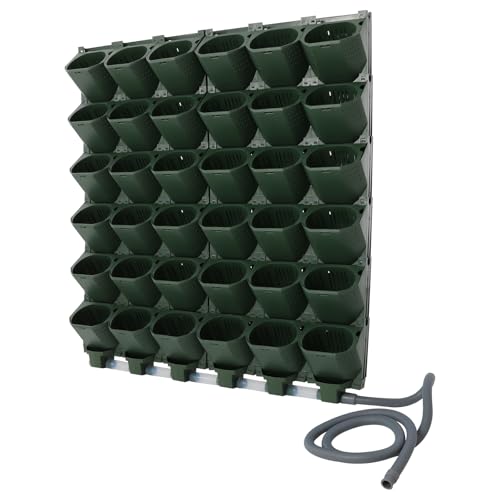
Self Watering Planters with Timer and Rain Sensor, 36-Pocket Wall Mounted Vertical Garden System – Automatic Drip Irrigation Kit for Indoor Outdoor Balcony, Grow Herbs Vegetables Flowers
【Smart Timer & Rain Sensor】Equipped with a timer, you can easily set watering intervals (1h-30d) and duration (1s-999m)….
As an affiliate, we earn on qualifying purchases.
As an affiliate, we earn on qualifying purchases.
Frequently Asked Questions
How Does Biophilic Design Impact Indoor Air Quality?
Biophilic design improves indoor air quality by promoting better air filtration and humidity regulation. You’ll notice fresher air as natural elements like plants filter pollutants, removing airborne toxins. Additionally, these designs help maintain ideal humidity levels, reducing mold growth and dust mites. This creates a healthier environment, making your space more comfortable and reducing respiratory issues. Embracing biophilic design ultimately supports your well-being through cleaner, balanced indoor air.
Are There Specific Plants Recommended for Biophilic Interiors?
You should choose easy-to-care-for indoor plants like pothos, snake plants, and peace lilies for your biophilic interior. These plants thrive with minimal maintenance, purify your air, and add vibrant life to your space. Focus on proper indoor plant selection, providing adequate light, and watering sparingly. Keep your plants healthy by following simple maintenance tips—regular watering, occasional fertilizing, and cleaning leaves—so your indoor oasis remains lush, vibrant, and inviting.
What Are the Cost Implications of Implementing Biophilic Architecture?
Implementing biophilic architecture involves careful cost considerations, so you should factor in expenses for plants, materials, and maintenance. While initial costs might be higher than traditional designs, you can plan your budget effectively by prioritizing key elements that deliver the most impact. Proper budget planning helps ensure you balance the benefits of bringing nature indoors with your financial constraints, making your project both sustainable and cost-efficient.
How Can Biophilic Principles Be Integrated Into Urban Office Buildings?
You can integrate biophilic principles into urban office buildings by prioritizing natural lighting strategies and biophilic material selection. Studies show that natural light boosts productivity by up to 18%. Incorporate large windows, skylights, and light wells to maximize daylight. Use natural materials like wood, stone, and green walls to create a connection with nature. These elements enhance well-being, reduce stress, and foster a healthier workspace, making your building more inviting and sustainable.
What Maintenance Is Required for Natural Elements Indoors?
You need to regularly care for indoor natural elements by scheduling plant care, including watering, pruning, and monitoring for pests. For natural materials like wood or stone, keep up with natural material upkeep through gentle cleaning and avoiding harsh chemicals. This routine guarantees your indoor environment stays vibrant and healthy, supporting both the longevity of your natural features and the overall aesthetic of your space.

Stecutts 2×1 Ft Smart Blue Sky Light Ceiling Lamp, APP Control and Biological Rhythm Simulate Sunlight Irradiation, Artificial Skylight for Living Room, Bathroom, Office (2×1 Ft)
Blue Sky Experience: The artificial skylight ceiling lamp reproduces the ligh of the sun and the sky in…
As an affiliate, we earn on qualifying purchases.
As an affiliate, we earn on qualifying purchases.
Conclusion
Think of biophilic architecture as a bridge connecting you to the wild beauty outside, transforming your space into a living, breathing sanctuary. By bringing nature indoors, you create an environment that nurtures your soul and refreshes your mind, like a gentle stream flowing through a forest. Embrace these designs to turn your home into a vibrant oasis—where every corner whispers the harmony between human life and the natural world, making your space truly come alive.
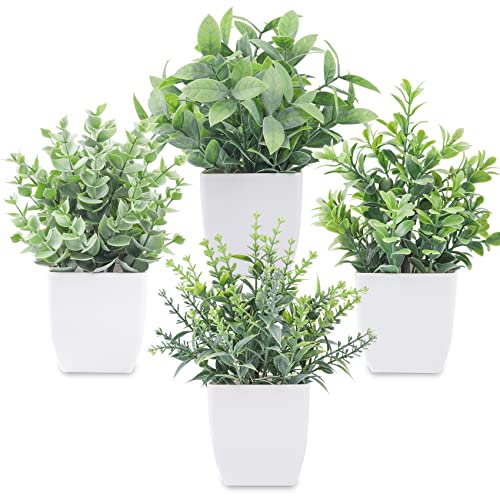
Der Rose 4 Pack Fake Plants Mini Artificial Greenery Potted Plants for Home Decor Indoor Office Table Room Farmhouse Bathroom Decor
Package Contains: 4 kinds of faux plants indoor, these artificial potted plants are made of friendly plastic
As an affiliate, we earn on qualifying purchases.
As an affiliate, we earn on qualifying purchases.
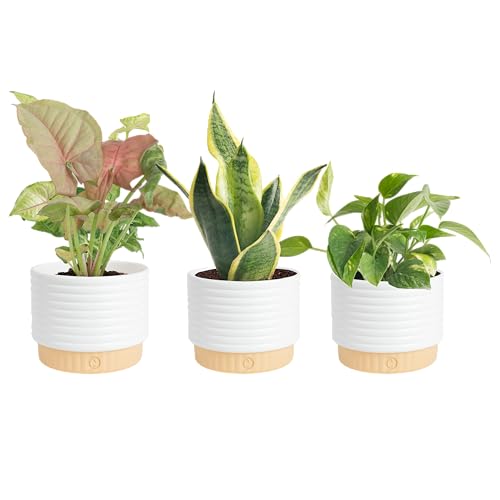
Costa Farms Live Indoor Plants in Decorative Pots, Easy to Maintain, Air Purifying Houseplants, Assorted Varieties, Room or Home Decor, House Warming Gift, 8-12 Inches Tall, Pack of 3
BEAUTIFUL HOME DÉCOR BUNDLE: This 3-pack offers incredible value to instantly decorate multiple spaces with live houseplant room…
As an affiliate, we earn on qualifying purchases.
As an affiliate, we earn on qualifying purchases.