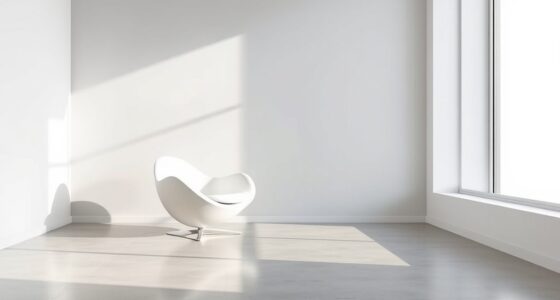
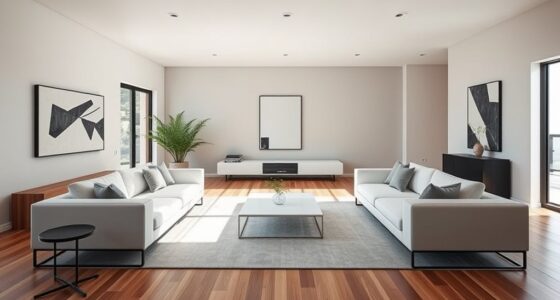
By embracing functional minimalism, you create open, adaptable spaces that focus on purpose and simplicity. Use clever storage solutions like built-in shelves and multi-use furniture to keep your environment clutter-free and versatile. Incorporate layered lighting and flexible layouts with movable partitions to enhance usability and ambiance. Balancing style with practicality, this approach makes your space feel calm and efficient. If you continue exploring, you’ll discover how to seamlessly combine these elements for your ideal environment.
Key Takeaways
- Emphasizes clean, simple designs that maximize utility and reduce clutter for a calming environment.
- Utilizes built-in storage and multi-use furniture to enhance functionality and maintain openness.
- Incorporates layered, adjustable lighting to highlight minimal aesthetics and improve usability.
- Designs flexible, multifunctional spaces with movable partitions and adaptable furniture for diverse needs.
- Prioritizes quality, practical pieces that balance style with everyday functionality, ensuring seamless minimalism.
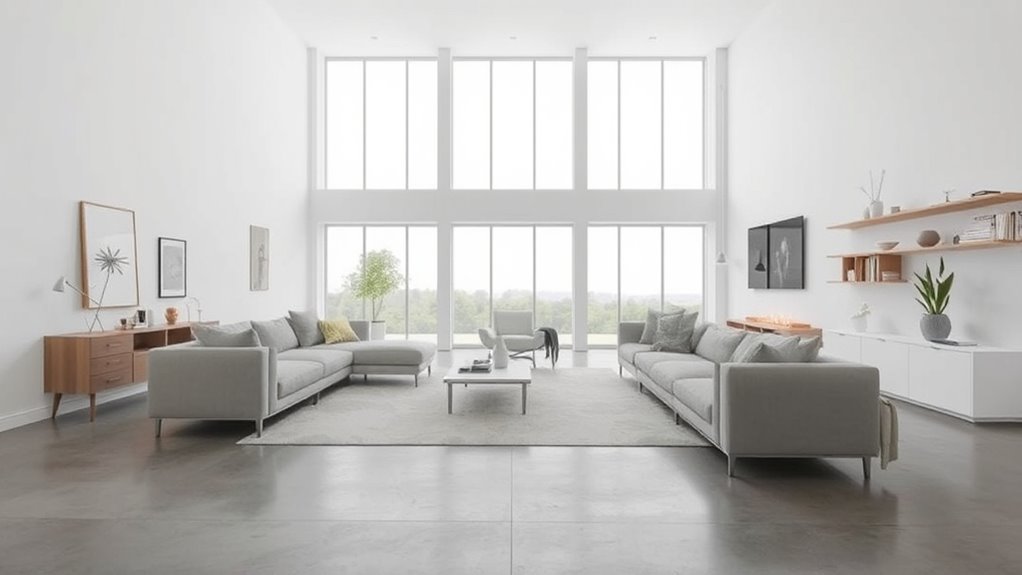
In today’s design landscape, functional minimalism has gained popularity because it emphasizes simplicity without sacrificing utility. When you embrace this approach, every element in your space serves a purpose, creating a clean and clutter-free environment that feels both calming and efficient. One of the key ways to achieve this is through clever storage solutions. Instead of bulky furniture or excessive decor, you opt for built-in shelves, concealed compartments, or multi-use furniture pieces that hide away belongings while maintaining a sleek look. These solutions keep your space open and airy, making it easier to focus on the essentials without feeling overwhelmed by clutter. Incorporating natural materials can further enhance the authentic and cozy feel of your space, aligning with the principles of rustic charm. Lighting design also plays a vital role in functional minimalism. You want to light your space in a way that enhances its simplicity and usability. Think about incorporating layered lighting—ambient, task, and accent—to create a balanced atmosphere. Recessed lighting or hidden fixtures can provide ample illumination without drawing attention away from the clean lines of your design. Adjustable lighting options allow you to customize the mood and functionality, whether you’re reading, working, or relaxing. Proper lighting not only highlights the beauty of your minimalist aesthetic but also improves the overall usability of your space, making it feel more inviting and practical.
Embrace clever storage solutions like built-in shelves and hidden compartments for a sleek, clutter-free space.
When you combine smart storage solutions with thoughtful lighting design, your open, multifunctional space becomes a highly adaptable environment. For instance, a fold-out desk with integrated storage can transform a corner into a workspace when needed and disappear when not in use. Similarly, using light-colored or reflective surfaces enhances natural light, making the area feel larger and more open. You can also incorporate movable partitions or screens to create flexible zones within your space—areas for work, relaxation, or socializing—without cluttering the environment. This adaptability is the essence of open, multifunctional spaces, where each element is carefully chosen to maximize utility while preserving a minimalist aesthetic. Ultimately, embracing functional minimalism means you prioritize quality over quantity. You select pieces that serve multiple purposes and enhance the overall harmony of your space. Proper storage solutions keep everything tidy, while strategic lighting design ensures your environment is well-lit, functional, and visually appealing. By focusing on these elements, you create a space that’s not only stylish but also practical for everyday living, embodying the true spirit of minimalism—simplicity that works seamlessly for you.
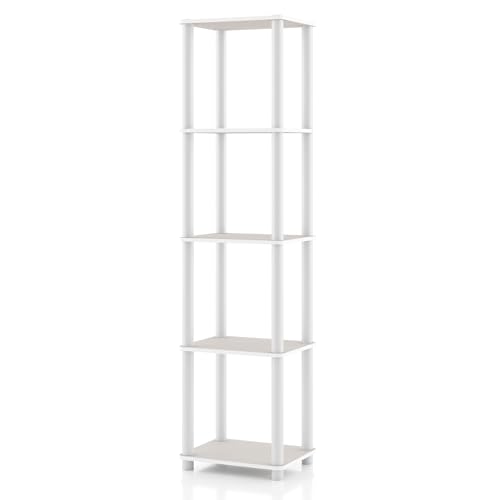
Homes: Inside + Out Apexa Modern 5-Tier Narrow Shelving Units, Collectibles Display Shelves, Easy Assembly Standing Shelf, Home Storage Organizer for Living Room, Bedroom, Office, Taupe Grey
🌍 ENGINEERED FOR STABILITY: Built with durable engineered wood and reinforced high-density polyethylene for long-lasting use. Includes an…
As an affiliate, we earn on qualifying purchases.
As an affiliate, we earn on qualifying purchases.
Frequently Asked Questions
How Do Minimalist Designs Impact Daily Productivity?
Minimalist designs boost your daily productivity by enhancing space optimization and clutter reduction. When your environment is streamlined and organized, you can focus better without distractions. Open, multifunctional spaces make it easy to switch between tasks and stay efficient. Less clutter means less stress, helping you stay motivated and on track. Overall, a minimalist approach creates a calm, functional workspace that encourages you to work smarter and achieve more each day.
What Are the Best Materials for Multifunctional Furniture?
Oh, because choosing materials for multifunctional furniture is just a walk in the park, right? You’ll want sustainable materials like bamboo or reclaimed wood to save the planet while looking chic. Innovative composites, such as recycled plastics or engineered wood, add durability and versatility. These materials not only support your eco-conscious lifestyle but also guarantee your furniture can handle anything life throws at it—whether a coffee spill or a spontaneous dance party.
How Can Open Spaces Ensure Privacy Effectively?
You can guarantee privacy in open spaces by implementing effective privacy solutions and acoustic design. Use movable partitions or screens that adapt to your needs, creating secluded areas when necessary. Incorporate sound-absorbing materials like acoustic panels or rugs to minimize noise transfer. Strategically place furniture to block sightlines, and consider using ceiling clouds or suspended elements to enhance acoustic privacy, allowing you to enjoy open yet private and functional spaces.
What Are Common Challenges in Maintaining Minimalist Aesthetics?
You struggle balancing sleek, clutter-free spaces with personality, like decorative accessories and vibrant color schemes. Maintaining minimalist aesthetics means resisting the temptation to overdecorate, which can clutter your space. You must find harmony between simplicity and expression, choosing just a few impactful pieces. Staying consistent in your color schemes helps create a cohesive look, ensuring your space remains open and calming without sacrificing individuality.
How Do Multifunctional Spaces Adapt to Changing Needs Over Time?
You can adapt multifunctional spaces over time by using adaptive layouts that easily transform to suit your evolving needs. Incorporate modular storage solutions that can be reconfigured or expanded as your storage requirements change. By designing with flexibility in mind, you guarantee your space remains functional and minimalist, while allowing for seamless adjustments without clutter or sacrificing aesthetic appeal. This approach keeps your environment efficient and adaptable long-term.
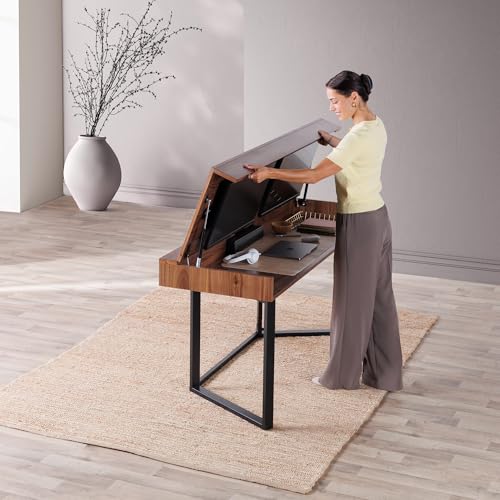
Transformer Table – Dining Table to Computer Desk, Work-from-Home Office, Gaming Desk, Study Desk, Space-Saving Furniture, Multiuse Dining Table, Royal Brown
Table-to-Desk Convertible Design – Seamlessly transforms from a dining table into an adjustable home office desk, giving you…
As an affiliate, we earn on qualifying purchases.
As an affiliate, we earn on qualifying purchases.
Conclusion
Embracing functional minimalism and open, multifunctional spaces transforms your home into a flexible, serene sanctuary. By choosing simplicity and clever design, you create areas that adapt to your needs, making everyday living easier and more inspiring. Isn’t it worth asking if less truly offers more? When you prioritize purpose over excess, you release a space that’s not just beautiful but truly yours—perfectly tailored for the way you live.

Modern Organic Layered Pendant Lamp, Nordic Minimalist Ribbed Fabric Hanging Light Fixture, White & Black, Adjustable Height Foyer, Hotel, Restaurant, Interior Design Statement Lighting
Distinctive Stacked Design: Elevate your interior with this unique pendant light, featuring an artful combination of spherical and…
As an affiliate, we earn on qualifying purchases.
As an affiliate, we earn on qualifying purchases.

Room Divider Portable 88'' Partition Room Dividers and Folding Privacy Screens 4 Panel Wall Divider for Room Separation, Freestanding Fabric Room Divider Panel with Wheels for Home Office Hospital
Self-locking Rollers for Free Moving: Homscreener Rolling Room Divider (4 Panels) is equipped with 10 universal castors that…
As an affiliate, we earn on qualifying purchases.
As an affiliate, we earn on qualifying purchases.