
To save your digital artworks from data decay, you need a strong digital preservation plan. This includes managing detailed metadata to keep track of your files, regularly migrating formats to current standards, and monitoring data integrity over time. Using industry best practices and automated tools can help you guarantee your collection remains accessible and authentic. Keep these strategies in mind, and you’ll find out how to keep your digital art safe for the long term.
Key Takeaways
- Implement regular format migration to ensure digital artworks remain accessible with current technologies.
- Maintain comprehensive metadata to facilitate accurate retrieval, interpretation, and long-term management.
- Monitor data integrity consistently to detect and address signs of data decay or corruption.
- Follow industry standards and utilize preservation tools to automate processes and reduce manual errors.
- Document all preservation activities thoroughly to support future migrations and ongoing digital asset security.
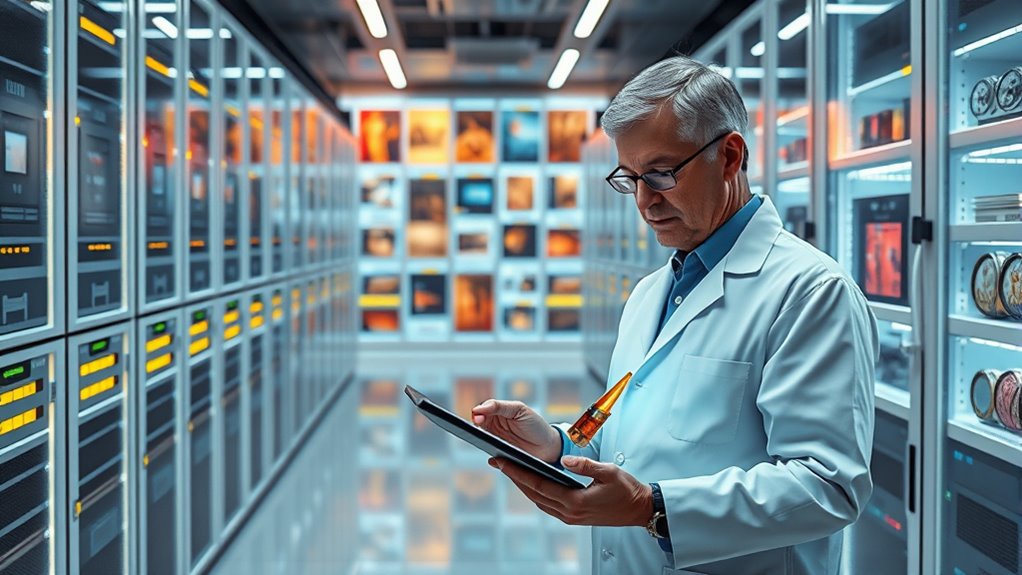
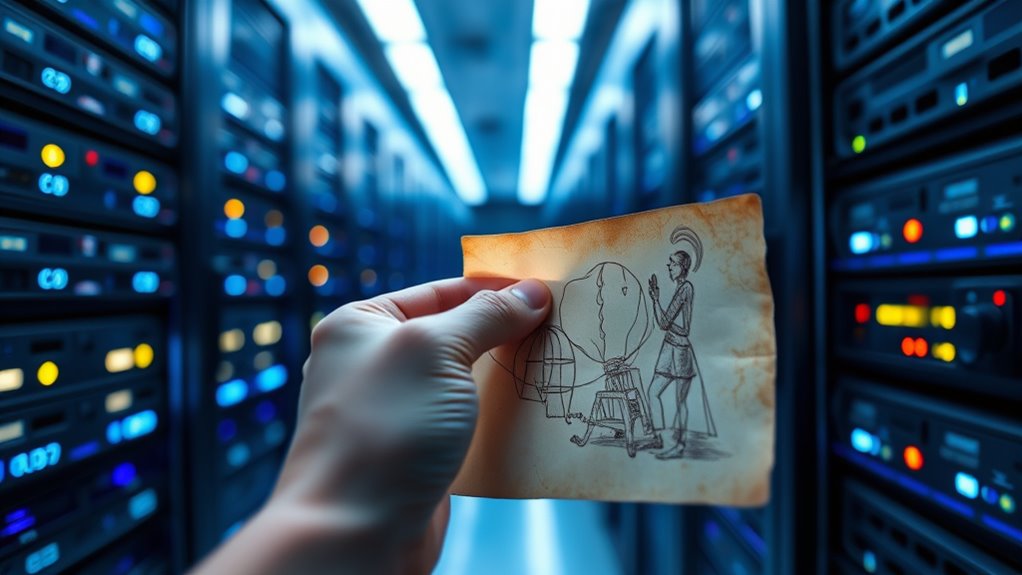
Digital preservation is essential in ensuring that digital content remains accessible and usable over time. When it comes to saving artworks from data decay, understanding how to effectively manage your digital files is crucial. Two key aspects you’ll need to focus on are metadata management and format migration. Metadata acts as the backbone of your digital archive, providing vital information about each file’s origin, creator, creation date, and technical details. Proper metadata management helps you keep track of your artworks, making sure you can locate, interpret, and verify files long after their initial creation. Without accurate and comprehensive metadata, even the most valuable digital art pieces risk becoming lost or meaningless as time passes. Forsale 100
Alongside metadata management, format migration is an essential strategy to combat obsolescence. Digital formats evolve rapidly, and what’s standard today might be outdated tomorrow. If your files are stored in formats no longer supported by current software, you risk losing access altogether. To prevent this, you’ll need to regularly migrate your files to current, supported formats. This process involves converting files into newer formats that ensure continued readability and usability. For example, converting an older image file format into a widely supported one like JPEG or PNG helps safeguard the artwork’s visual integrity and accessibility for future viewers. Proper planning and documentation of these migrations are vital for maintaining the integrity of your digital collections. Additionally, utilizing digital preservation standards helps ensure your practices align with industry best practices and improve long-term success. Implementing a regular review process can further enhance your preservation efforts by identifying potential risks early.
Implementing a robust digital preservation plan means you actively monitor the condition of your files. When you perform format migration, you also need to verify the integrity of your data afterward. This process ensures that the conversion hasn’t introduced any errors or loss of quality. Additionally, maintaining detailed records of every migration—such as when it was performed and what formats were involved—supports ongoing preservation efforts and makes future migrations smoother. Adopting standardized practices in metadata and format management can significantly improve your long-term preservation outcomes. Furthermore, leveraging automated tools can streamline the cataloging process and reduce manual errors, ensuring your digital archive remains consistent and reliable over time. Incorporating best practices in digital archiving can help you stay aligned with evolving industry standards and technological advancements.
![Free Fling File Transfer Software for Windows [PC Download]](https://m.media-amazon.com/images/I/41Vq6ZqHfjL._SL500_.jpg)
Free Fling File Transfer Software for Windows [PC Download]
Intuitive interface of a conventional FTP client
As an affiliate, we earn on qualifying purchases.
As an affiliate, we earn on qualifying purchases.
Frequently Asked Questions
How Can Physical Artworks Be Digitally Preserved Effectively?
You can preserve physical artworks digitally by creating high-resolution images and 3D scans. Make certain you follow preservation standards to maintain quality over time. Managing detailed metadata about each piece is vital; it helps in tracking provenance, condition, and display history. Regularly updating digital files and storage systems also prevents data loss, guaranteeing your digital copies remain accessible and accurate for future generations.
What Are the Costs Associated With Digital Preservation Methods?
Did you know that digital preservation costs can range from thousands to millions depending on complexity? You should consider a thorough cost analysis and budget planning to cover hardware, software, staff, and ongoing maintenance. The upfront investment might seem high, but effective preservation guarantees artworks aren’t lost over time. Balancing expenses with preservation goals helps you make informed decisions, safeguarding your digital collection for the future.
How Do Copyright Laws Impact Digital Preservation Efforts?
Copyright complexities and legal restrictions can significantly impact your digital preservation efforts. You might face challenges in digitizing, sharing, or reusing copyrighted artworks without permission. These laws aim to protect creators’ rights but can limit your ability to freely access and preserve digital content. Managing these restrictions requires careful planning and sometimes legal consultation to ensure compliance while maintaining the integrity of your preservation goals.
Can Digital Preservation Prevent All Forms of Data Decay?
You might wonder if digital preservation can prevent all data decay. While cloud storage helps you securely back up artworks, it doesn’t stop physical or digital deterioration. Effective metadata management is essential for organizing and retrieving your files, but it can’t fully prevent data loss over time. So, while it extends the lifespan, some forms of data decay still pose risks that require ongoing maintenance and updates.
What Role Do Emerging Technologies Like AI Play in Digital Preservation?
AI applications act like a skilled guardian, helping you protect digital artifacts. They automate data curation, detect potential decay early, and enhance restoration efforts. Blockchain authentication adds a fortress of trust, ensuring provenance and integrity of artworks. Together, emerging technologies like AI and blockchain revolutionize digital preservation, making your efforts more resilient against data decay and ensuring your digital treasures stand the test of time with confidence.

Introduction to Metadata: Third Edition
As an affiliate, we earn on qualifying purchases.
As an affiliate, we earn on qualifying purchases.
Conclusion
By now, you see how essential digital preservation is to keep artworks alive in the digital age. Think of it as your modern-day alchemy, transforming fragile data into timeless treasures—much like the Library of Alexandria’s ashes, but with a smartwatch instead of scrolls. If you ignore these efforts, your treasured images might fade into digital dust, lost forever in the sands of time. So, act now, or risk losing your digital masterpieces like a forgotten relic in a dusty attic.
Free Fling File Transfer Software for Windows [PC Download]
Intuitive interface of a conventional FTP client
As an affiliate, we earn on qualifying purchases.
As an affiliate, we earn on qualifying purchases.

Car OBD2 Scanner, Universal Automotive Engine Fault Code Reader, Live Data Diagnosis, Professional Reader Scanner Diagnostic Tool, OBDII/EOBD Read and Clear Fault Codes Tool for All Vehicles 1996+
【Professional Full-Function OBDII Scanner Diagnostic Tool】The ZOFAZ AT700 Car Fault Code Reader can quickly detect the causes of…
As an affiliate, we earn on qualifying purchases.
As an affiliate, we earn on qualifying purchases.