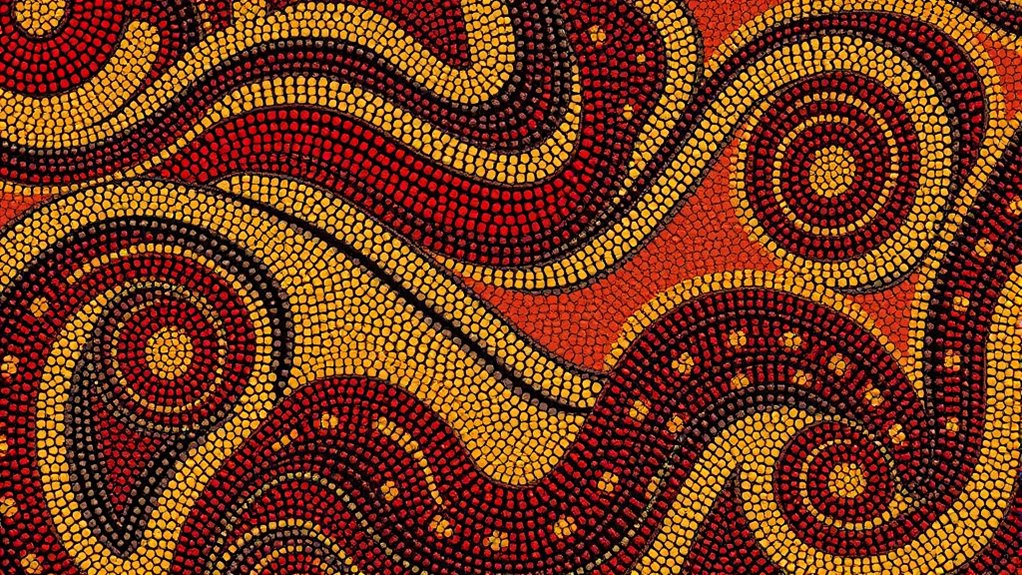

In Indigenous Australian art, colors are more than decoration; they’re a secret language that encodes stories, spiritual beliefs, and cultural traditions. Each hue has a specific meaning—reds and browns represent the land, whites and yellows symbolize sacred sites, and blues and greens evoke water and sky. These colors help communicate complex traditions beyond words, serving as a visual storytelling system. Exploring further reveals how this vibrant language deepens your understanding of their rich cultural world.
Key Takeaways
- Colors in Indigenous Australian art encode stories of creation, land, ancestors, and spiritual beliefs, serving as a visual language.
- Ochre reds and browns symbolize earth and ancestral land, while whites and yellows represent sacred sites and spiritual presence.
- Blue and green hues evoke water and sky, vital elements in cosmology and storytelling.
- The choice and placement of colors are intentional, reflecting cultural values, rituals, and community histories.
- Artworks serve as a living cultural language, transmitting knowledge and spiritual connections across generations.

Many Indigenous Australian artworks are more than just visually striking; they encode a complex language of color that conveys stories, spiritual beliefs, and cultural practices. When you look at these pieces, you’re not just admiring their beauty—you’re deciphering a code rooted in centuries of tradition. The colors used aren’t accidental; each hue carries symbolic meanings that reveal deeper significance within the community. For example, ochre reds and browns often represent the earth, soil, and ancestral land, emphasizing a deep connection to the environment. Whites and yellows typically symbolize sacred sites or spiritual presence, while blues and greens evoke water and sky, essential elements in Indigenous cosmology. These colors form a visual language that helps communicate stories of creation, identity, and moral values, especially when oral traditions are complemented by the artwork itself. The color symbolism plays a crucial role in preserving and transmitting Indigenous knowledge and beliefs across generations. Understanding the cultural significance behind these colors enhances your appreciation of Indigenous art. Each pigment, each stroke, is imbued with meaning that’s passed down through generations. When you observe a dot painting or a rock engraving, you’re seeing more than just aesthetic choices; you’re witnessing a form of storytelling that preserves history and spirituality. The symbolic meanings associated with colors often relate to specific stories or rituals. For instance, a particular shade of red might represent a sacred site, while black could symbolize ancestral spirits or the afterlife. These meanings aren’t static—they’re part of a living tradition that continues to evolve, yet remains rooted in spiritual beliefs and communal identity. You should recognize that for Indigenous Australians, these colors serve as a cultural language understood deeply within their communities. They’re a way to encode and transmit knowledge without words, creating a shared visual vocabulary. This cultural language is vital for maintaining the continuity of traditions in the face of changing social landscapes. Recognizing the cultural context of these colors can help deepen your understanding of the stories they tell and the significance they hold within the community. Incorporating energetic alignment into the creation and appreciation of art can deepen the spiritual connection and understanding of these symbols. Colors in Indigenous art are often chosen with intentionality, reflecting specific cultural values and histories. When you interpret the colors in Indigenous art, you’re engaging with a cultural conversation that spans generations. This symbolism offers insight into the values, beliefs, and history of the artists and their communities. It’s a reminder that these artworks are more than decorative objects—they’re powerful expressions of cultural significance that hold stories of land, ancestors, and spiritual domains. By appreciating the symbolic meanings behind the colors, you gain a richer understanding of Indigenous Australian culture and the profound ways they communicate their identity through art.
Amazon Product B0C74YQBXB
As an affiliate, we earn on qualifying purchases.
Frequently Asked Questions
How Do Color Meanings Vary Among Different Indigenous Australian Groups?
You’ll notice that color meanings differ among Indigenous Australian groups because of regional differences and cultural symbolism. Each community assigns unique significance to colors based on their environment and traditions. For example, red might symbolize the earth in one area, while in another, it could represent spiritual energy. These variations show how cultural symbolism deeply influences how colors are used and understood across different groups.
What Traditional Methods Are Used to Create These Vibrant Colors?
You might think vibrant colors come from fancy paints, but Indigenous Australians use natural pigment extraction and ochre preparation techniques. They carefully grind and mix earth pigments, often blending ochre with water or animal fat to make their paints. This traditional process transforms humble natural materials into stunning, lasting colors. Ironically, their vibrant hues come from simple, ancient methods—proving that beauty often lies in simplicity and tradition.
Are There Contemporary Influences That Alter Traditional Color Symbolism?
You might notice that contemporary artists blend traditional color symbolism with modern palettes, creating a cultural fusion. This shift allows for personal expression and global influences to shape their work. By incorporating brighter or unconventional colors, they challenge older meanings and introduce new interpretations. As you observe these artworks, you’ll see how modern influences expand the traditional language, making it more dynamic and relevant to today’s diverse cultural landscape.
How Do Artists Decide Which Colors to Use for Specific Stories?
You might think artists pick colors randomly, but nope, it’s all about cultural symbolism and storytelling techniques. They choose hues that speak to ancestral stories, spiritual beliefs, and community customs. Every color is a carefully chosen brushstroke, conveying deeper meanings. So, when you see vibrant reds or earthy browns, know they’re not just pretty—they’re powerful symbols woven into the fabric of tradition and storytelling mastery.
Can Non-Indigenous People Interpret These Colors Accurately?
You might wonder if you can interpret these colors accurately, but cultural interpretation and color symbolism are essential. Indigenous Australian art’s colors carry deep meanings rooted in tradition, environment, and stories. Without understanding this context, you risk misinterpreting their significance. To truly grasp the art’s message, you need to learn about the cultural background and symbolism behind each color, respecting its traditional importance and avoiding misunderstandings.
Amazon Product B0BVLWTL23
As an affiliate, we earn on qualifying purchases.
Conclusion
You realize that each color in Indigenous Australian art is like a whispered story, carrying centuries of meaning. Imagine standing before a vibrant painting, where ochre and indigo tell tales of ancestors and Dreamtime legends, much like a secret code only the initiated understand. This rich language of color isn’t just decoration; it’s a living history, painting the landscape of culture and identity with every hue. You see how these colors truly speak in a silent, powerful dialogue.
Amazon Product B01FW17FGI
As an affiliate, we earn on qualifying purchases.
Amazon Product B08DQYSNGQ
As an affiliate, we earn on qualifying purchases.