
TL;DR

Get art and craft supplies delivered free with Prime
- Fast, free delivery on millions of items
- Prime Video, Amazon Music and more included
- Member-only deals all year
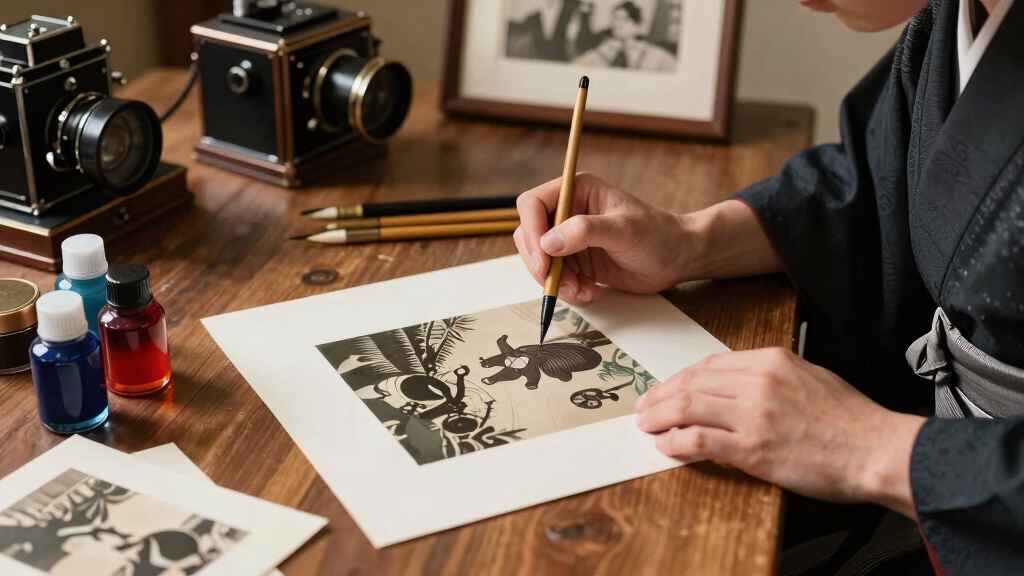
The NYPL has released a collection of 110 hand-colored photographs from Japan between 1890 and 1909. These images document a nation in transition, capturing traditional life and Western influence during a pivotal era.
The New York Public Library has released a collection of 110 hand-colored photographs from late 19th-century Japan, providing a vivid visual record of a nation undergoing profound change during its modernization period. This collection offers rare insight into Japanese society as it transitioned from traditional customs to Western-influenced styles, making it a significant resource for historians and cultural scholars alike.
The photographs, dating from approximately 1890 to 1909, were created by prominent photographers such as Felice Beato and his Japanese apprentice Kimbei, who helped develop Japan’s early photographic record. These images include scenes of traditional dress, architecture, and daily life, all enhanced through hand-coloring techniques that add vibrancy and detail. The collection was made accessible by the NYPL’s digital archives, offering a comprehensive glimpse into Japan’s cultural landscape during a period of rapid Westernization.
By this time, much of Japan had adopted Western dress, architecture, and governance, yet many images also depict enduring traditional practices and rural life. Experts note that these photographs serve as crucial visual documentation of a society in flux, capturing both the old and the new in a single frame. The collection also reflects the influence of Western artistic styles, which shaped the aesthetic choices in hand-coloring and composition.
Why It Matters
This collection matters because it provides a rare, detailed visual record of Japan during a critical period of cultural transformation. It helps historians and the public understand how traditional Japanese life coexisted with and was reshaped by Western influences. The photographs also highlight the early history of photography in Asia and its role in documenting and shaping perceptions of Japanese society during the Meiji era. For contemporary audiences, these images offer a window into a complex identity shift that continues to influence Japan today.
hand-colored Japanese historical photographs
As an affiliate, we earn on qualifying purchases.
As an affiliate, we earn on qualifying purchases.
Background
Following Japan’s opening to the West after the fall of the Tokugawa shogunate in 1853, the country experienced rapid modernization and Westernization. Photographers like Felice Beato and Kimbei documented this transformation, producing images that ranged from traditional scenes to Western-style architecture. The late 19th century marked a period when Japan was balancing its cultural heritage with new influences, a theme vividly captured in this collection. These photographs are among the few colorized images from the era, as hand-coloring was a popular technique to enhance monochrome photographs before the advent of true color photography.
“These photographs offer a rare, colorful window into Japan’s transition from tradition to modernity, capturing daily life and cultural shifts during the Meiji era.”
— NYPL curator
“The photographs reflect the profound social and cultural upheaval Japan experienced during its rapid modernization.”
— Historian John W. Dower
Meiji era photo reproduction prints
As an affiliate, we earn on qualifying purchases.
As an affiliate, we earn on qualifying purchases.
What Remains Unclear
It is not yet clear how many of these photographs were produced as commercial souvenirs versus personal or artistic projects. Additionally, the full scope of the hand-coloring techniques used and their cultural significance remains under study.
Japanese traditional dress wall art
As an affiliate, we earn on qualifying purchases.
As an affiliate, we earn on qualifying purchases.
What’s Next
Researchers and historians will likely analyze these images further to understand regional variations, artistic techniques, and social contexts. The NYPL plans to expand access to related collections and may host exhibitions or digital projects to explore Japan’s visual history during this transformative period.
vintage Japanese architecture photographs
As an affiliate, we earn on qualifying purchases.
As an affiliate, we earn on qualifying purchases.
Key Questions
Are these photographs authentic and original?
Yes, the photographs are confirmed to be authentic late 19th-century images, with hand-coloring techniques typical of that era.
Who created these photographs?
Prominent photographers such as Felice Beato and his Japanese apprentice Kimbei are credited with many of these images.
Why are these photographs hand-colored?
Hand-coloring was a common technique used to add vibrancy and detail to monochrome photographs before color film was available, making these images more lifelike.
How does this collection contribute to our understanding of Japanese history?
It provides visual documentation of Japan’s transition from traditional society to a modern nation, illustrating daily life, cultural practices, and Western influence during the Meiji era.
Source: The best free cultural & educational media on the web – Open Culture
Fall Picks
fall essentials
As an affiliate, we earn on qualifying purchases.