Choosing between glossy, matte, or baryta paper depends on your desired look and purpose. Glossy enhances vibrant colors and sharp details but can cause glare and fingerprints. Matte offers a non-reflective, soft finish that reduces glare and emphasizes textures. Baryta paper provides a traditional, rich, professional feel, ideal for fine art and gallery prints. To find the perfect match for your project, explore how each finish interacts with your artwork and environment.
Key Takeaways
- Glossy finishes enhance color vibrancy and sharpness but can cause glare and fingerprints, ideal for vivid, display-ready images.
- Matte finishes reduce reflections and glare, offering a softer, more subdued look suitable for fine art and portraits.
- Baryta paper provides a traditional, rich appearance with excellent color accuracy, depth, and archival durability.
- Choosing the right finish depends on the intended display environment, artistic style, and desired visual impact.
- Testing samples under different lighting conditions helps determine the best finish for your specific artwork or photograph.

Reastar Glossy Photo Paper 8.5 x 11, 36 Sheets Inkjet Photo Printer Paper, Instant Dry Picture Paper for DIY Chip Bag, Flyers, Cards, Calendars and Brochures(180gsm/48lb)
Photo Paper Package: 36 sheets of glossy photo paper, 8.5×11 inch, industry standard 180gsm/48lb, single-sided printing and blank…
As an affiliate, we earn on qualifying purchases.
As an affiliate, we earn on qualifying purchases.
What Are the Main Types of Paper Finishes and How Do They Differ?

Have you ever noticed how some printed materials feel smooth and glossy, while others have a more subdued, matte finish? The difference comes down to coating materials and manufacturing processes. Glossy finishes use coating materials that create a shiny surface, often through lamination or resin coatings, giving images vibrancy and sharpness. Matte finishes, on the other hand, involve different coating materials that absorb light, resulting in a non-reflective surface. These finishes are achieved through specific manufacturing processes that control the application and drying of coatings. Some finishes, like satin or semi-gloss, combine features of both. Knowing how these coating materials and manufacturing steps influence the final surface helps you choose the right paper finish for your project. Additionally, understanding the impact on durability and appearance of each finish can help you match the paper to your specific needs. Recognizing the manufacturing techniques involved can also aid in selecting a finish that aligns with your desired aesthetic and functional requirements. Moreover, selecting the appropriate finish can contribute to the long-term preservation of printed materials, especially for items like art prints or photographic reproductions.

Epson Premium Presentation Paper MATTE (8.5×11 Inches, Double-sided, 50 Sheets) (S041568),Bright White
Perfect for non-glare photographs, craft projects and signage.
As an affiliate, we earn on qualifying purchases.
As an affiliate, we earn on qualifying purchases.
How Do Surface Textures Affect Color and Detail?
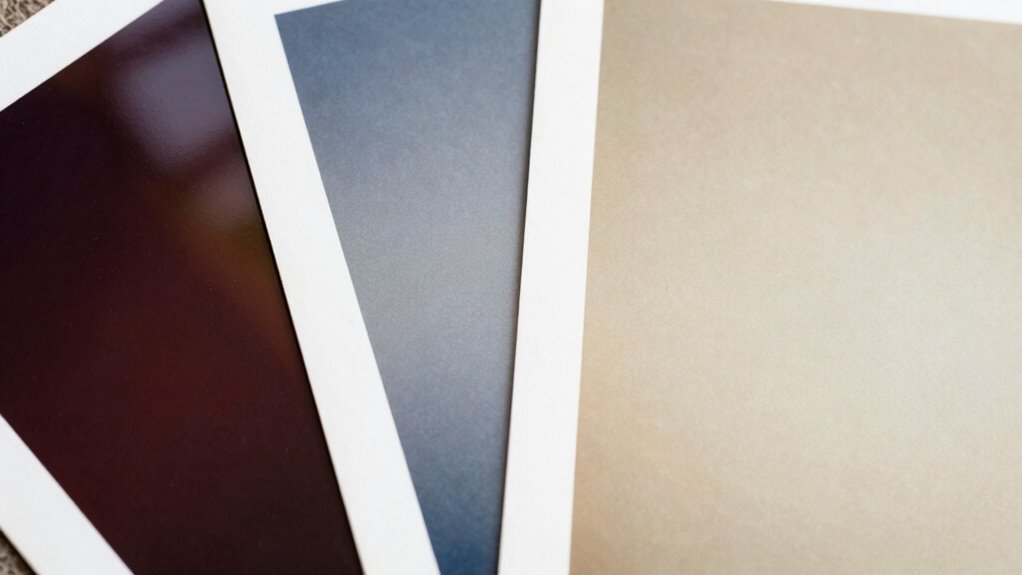
Surface textures influence how colors appear and how much detail shows through your print. A matte finish can reduce color depth and soften sharpness, while gloss tends to enhance both. Understanding these effects helps you choose the right texture for your desired visual impact. Additionally, selecting the appropriate surface texture can impact the perceived vibrancy and clarity of your images surface texture options, ensuring your prints match your expectations.
Texture and Color Depth
How do surface textures influence the way colors appear and details stand out? Texture variations can substantially impact your perception of color depth. Glossy surfaces tend to enhance color vibrancy and richness, making hues appear more intense. Matte finishes, on the other hand, diffuse light and create a softer, more subdued look, which can reduce perceived color depth but improve color accuracy. Baryta papers often balance these effects, offering smoothness and depth without excessive gloss. Your choice of texture affects how light interacts with the paper, altering how colors are seen and how details are perceived. Understanding these nuances helps you select the right finish to achieve your desired visual impact, whether emphasizing vibrancy or subtlety. Additionally, considering how surface finishes influence light reflection can help optimize the final appearance of your printed or displayed artwork. Recognizing the impact of texture on color perception allows artists to make more informed decisions tailored to their creative goals.
Detail Sharpness Variations
Texture variations directly impact the sharpness of details in your prints. A matte finish, with its textured surface, can diffuse ink absorption, softening fine lines and reducing overall clarity. Conversely, glossy surfaces promote better ink absorption and minimal surface gloss, resulting in crisper, more defined details. Baryta papers often combine smoothness with enhanced ink retention, delivering sharp images with rich contrast. Your choice of surface texture influences how light interacts with the print, affecting perceived detail. Additionally, the surface texture can influence the light reflection properties, further shaping the visual impact of your images. Understanding these surface characteristics can help you select the optimal paper for your specific artistic or photographic needs. Moreover, surface texture can also impact the longevity and durability of the print by affecting how it resists environmental factors. Recognizing how surface properties interact with different inks and coatings can lead to more consistent and high-quality results.
Surface Reflection Effects
The finish of your print plays a crucial role in how light interacts with its surface, directly influencing color vibrancy and detail clarity. Surface gloss determines how much light is reflected, affecting the overall appearance. A glossy finish produces high light reflection, making colors pop and details stand out vividly. However, this can also introduce glare, which might hinder viewing from certain angles. Matte finishes, with low surface gloss, diffuse light evenly, reducing reflections and glare, but sometimes dulling the vibrancy of colors. Baryta papers often have a subtle sheen that balances reflection and detail. Your choice impacts how viewers perceive your work, especially under different lighting conditions. Understanding surface reflection effects helps you select the right paper finish for maximum color accuracy and detail preservation. Additionally, considering the surface texture can influence how light interacts with the print, further affecting its visual impact. Recognizing the surface reflection effects can aid in choosing the most suitable finish for your specific display environment.

Moab Juniper Baryta Rag 305, 100% Cotton Fine Art Archival Inkjet Paper, Semi-Gloss Natural White, Heavy Weight 305gsm, 8.5 x 11 inches, 25 Sheets
100% Cotton
As an affiliate, we earn on qualifying purchases.
As an affiliate, we earn on qualifying purchases.
When Should You Use Glossy, Matte, or Baryta Paper?

Choosing the right paper finish depends on your goals and the type of images you’re printing. If you want vibrant colors and sharp details, glossy paper is ideal, especially for display or commercial use. Matte finishes suit fine art or portraits, providing a non-reflective surface that minimizes fingerprints and glare. Baryta paper offers a traditional, rich look with excellent tonal range, perfect for archival quality prints and fine art photography. Consider the mood you want to evoke—glossy for excitement, matte for subtlety, baryta for timeless elegance. Your choice influences not only the appearance but also the durability of your prints. Selecting the proper printing paper ensures your images stand the test of time and resonate emotionally with viewers.
Reastar Glossy Photo Paper 8.5 x 11, 36 Sheets Inkjet Photo Printer Paper, Instant Dry Picture Paper for DIY Chip Bag, Flyers, Cards, Calendars and Brochures(180gsm/48lb)
Photo Paper Package: 36 sheets of glossy photo paper, 8.5×11 inch, industry standard 180gsm/48lb, single-sided printing and blank…
As an affiliate, we earn on qualifying purchases.
As an affiliate, we earn on qualifying purchases.
What Are the Benefits and Drawbacks of Matte Finishes?
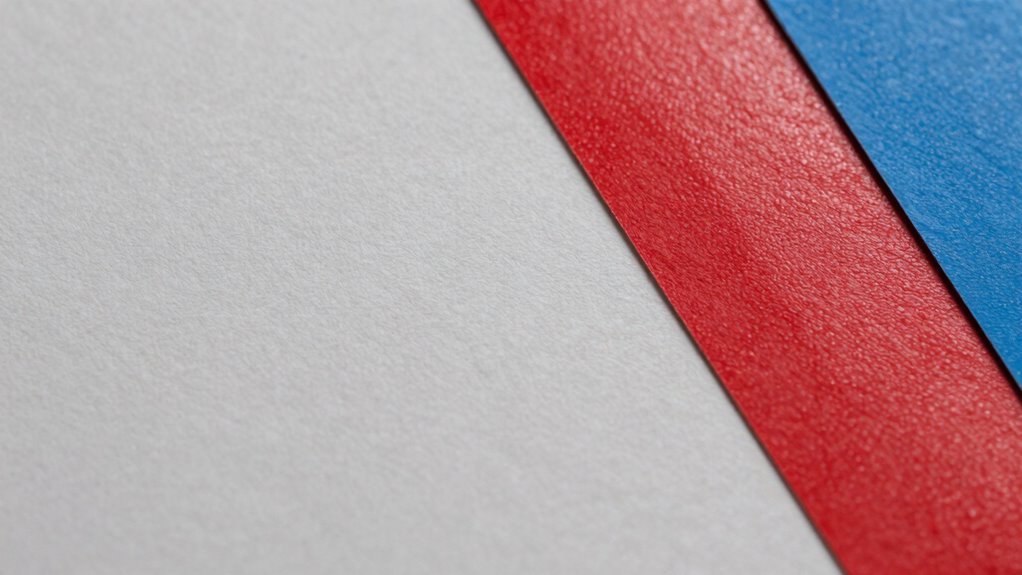
Matte finishes offer a non-reflective surface that can considerably enhance the viewing experience, especially for fine art and portrait prints. They reduce glare, allowing you to see subtle details and textures more clearly. The matte surface creates a soft, uniform appearance, emphasizing texture contrast without the distraction of surface sheen. Additionally, matte finishes are often chosen for their self-sufficiency benefits, as they don’t require special coatings to maintain their appearance over time. This durability makes them a popular choice for archival purposes. Moreover, matte papers tend to be more cost-effective over the long term, since they typically do not need frequent re-coating or special treatments. The absence of gloss can also help in minimizing reflections that might obscure the artwork under certain lighting conditions. Furthermore, matte finishes can help in reducing fingerprints and smudges, making them easier to handle and maintain. However, this lack of sheen can sometimes make colors appear muted or less vibrant compared to glossy options. Matte papers are also more forgiving with fingerprints and smudges, making them easier to handle. The main drawback is that they can sometimes look flat or dull, especially if you prefer a luminous finish. Overall, matte finishes provide a refined, understated look, ideal for showcasing artwork where texture and detail matter most.
Why Is Baryta Paper the Choice for Fine Art and Gallery Prints?

You’ll notice that baryta paper offers superior color accuracy, making your prints vivid and true to life. Its enhanced image depth adds a richness that elevates fine art and gallery pieces. Plus, the durability of baryta paper guarantees your prints remain beautiful over time.
Superior Color Accuracy
Ever wondered why baryta paper is favored for fine art and gallery prints? Its superior color accuracy stems from a wider color gamut, allowing your artwork to display richer, more vibrant hues. Baryta’s unique coating enhances ink absorption, reducing color shifts and ensuring your prints stay true to your vision. This advanced coating technology results in precise color reproduction with subtle gradations and fine details that captivate viewers. The paper’s smooth surface minimizes glare, enhancing clarity and depth. With baryta, you get consistent, gallery-quality results that elevate your artwork’s visual impact. If you seek prints that truly pop with accurate, life-like colors, baryta paper is your best choice. It transforms your images into stunning, professional-grade masterpieces that resonate with emotion and authenticity. color accuracy is further supported by baryta’s ability to reproduce subtle tonal variations, making it ideal for showcasing detailed artwork.
Enhanced Image Depth
Why does baryta paper create such striking depth in fine art and gallery prints? It’s because of its unique surface that enhances color saturation, making hues appear richer and more vibrant. This paper’s coating reflects light in a way that boosts print glossiness, giving images a luminous quality. The baryta layer adds a subtle three-dimensional effect, allowing details to pop and shadows to gain depth. This combination of high color saturation and controlled glossiness results in a sense of visual depth that draws viewers in. Unlike other finishes, baryta’s smooth surface guarantees that every tonal nuance is preserved, amplifying the perception of depth. Additionally, baryta paper’s light reflectivity helps create a more dynamic range of tones, further enriching the visual experience. As a result, your prints look more lifelike, immersive, and true to the artist’s vision.
Longevity and Durability
Baryta paper is prized for its exceptional longevity and durability, making it a top choice for fine art and gallery prints that need to stand the test of time. Its archival quality guarantees your artwork remains vibrant and intact for decades. When you choose baryta, you’re investing in print longevity that resists fading, discoloration, and environmental damage. This paper’s robust surface provides added protection, making it ideal for display and preservation.
- Feel confident knowing your artwork will endure generations.
- Protect your investment with archival quality materials.
- Preserve vivid colors and fine details over time.
- Create timeless pieces that tell your story for years to come.
How Durable Are Different Paper Finishes and How Should You Handle Them?
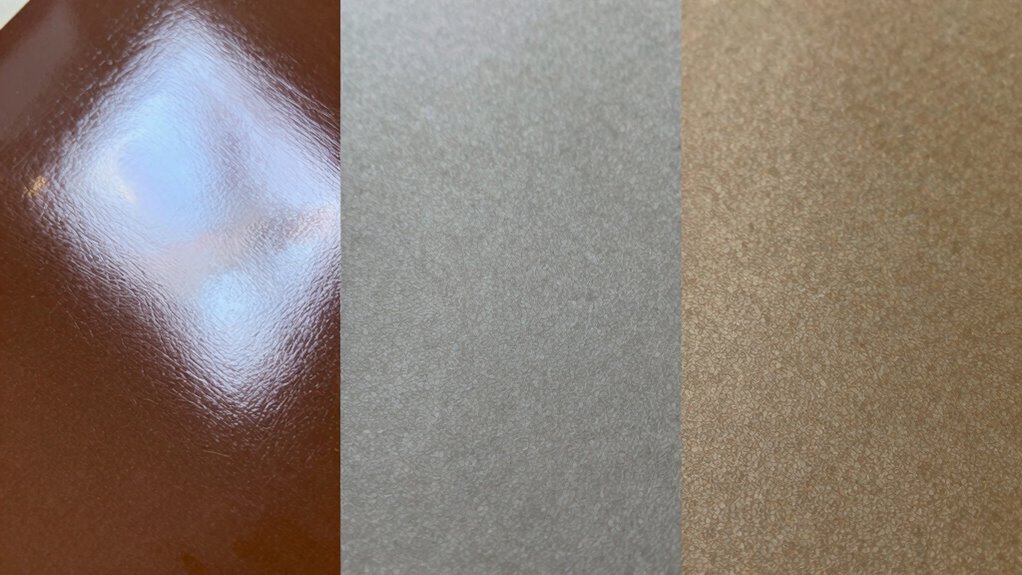
When it comes to paper finishes, their durability varies markedly, affecting how well they withstand handling and environmental factors. Glossy finishes tend to be more resistant to moisture and smudges, but they can scratch easily if not handled carefully. Matte finishes are generally more forgiving, resisting fingerprints and minor abrasions better, but they may be more prone to dirt accumulation. Baryta paper offers excellent longevity but requires gentle handling to avoid surface damage. To preserve your print material’s quality, use proper handling techniques—hold prints by the edges, avoid touching the surface directly, and store them in protective sleeves or frames. Additionally, understanding humidity management can help prevent warping or deterioration of your prints in various environments. Proper storage also plays a crucial role in maintaining the integrity of different finishes over time. Proper handling ensures your artwork remains vibrant and intact over time, regardless of the finish you choose.
How to Test and Pick the Best Paper Finish for Your Artwork
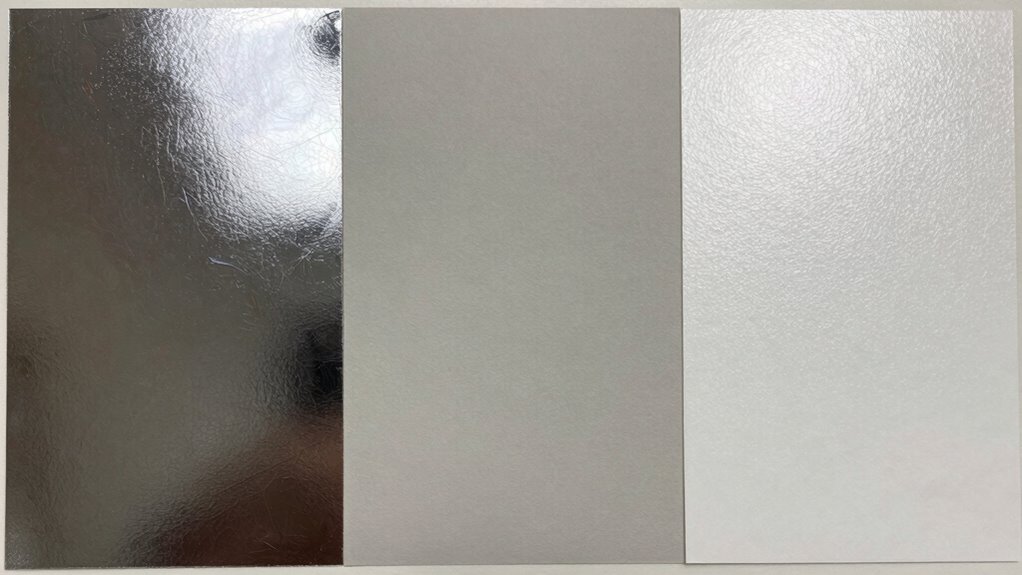
Choosing the right paper finish for your artwork starts with testing different options to see how they look and feel in real conditions. This allows you to evaluate how each finish interacts with your print media and how it appears on digital displays. To test effectively, print small samples of your artwork on various finishes and examine them under different lighting conditions. Feel the texture, observe glare, and assess color vibrancy. Additionally, consider the artistic style you wish to convey, as certain finishes can complement or detract from specific visual effects. Experience how each finish enhances or dulls your artwork’s details. Notice how lighting affects the overall appearance. Compare the tactile feel to match your artistic intent. Determine which finish best suits your style and display needs.
Common Mistakes to Avoid When Choosing a Paper Finish
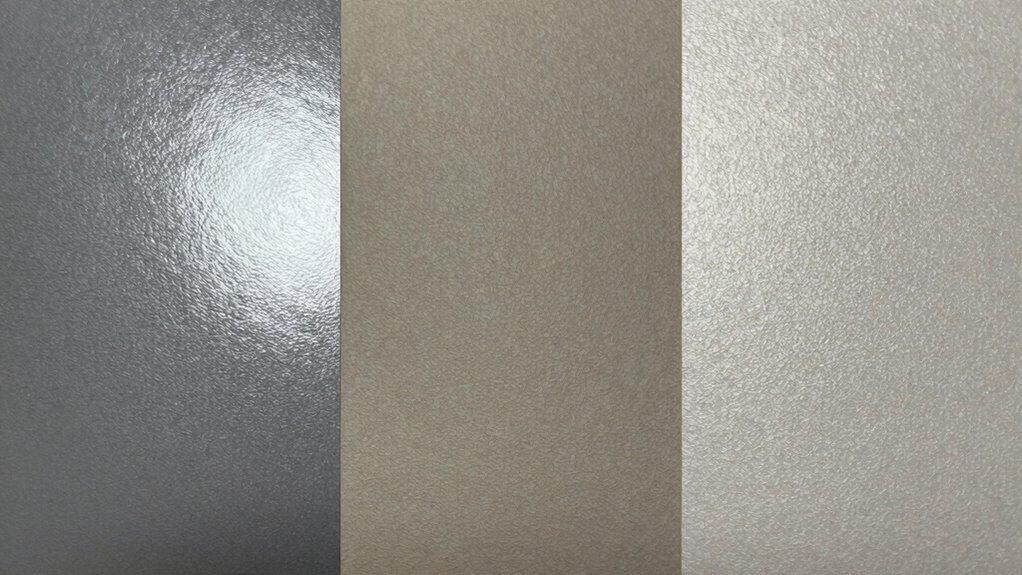
Selecting the wrong paper finish can considerably impact how your artwork is perceived, so it’s important to be aware of common pitfalls. One mistake is choosing a print surface that doesn’t match your image’s intent or viewing environment. For example, a glossy finish might look striking but can be prone to fingerprints and glare, reducing print durability over time. Conversely, matte surfaces can hide imperfections but may lack vibrancy. Another error is ignoring how the finish affects print durability—some finishes may scratch or fade faster. Always consider how the surface will hold up under handling and display conditions. Avoid rushing your decision; understanding how different finishes influence both appearance and longevity helps ensure your artwork remains vibrant and intact for years to come.
Which Paper Finish Is Right for Your Photography or Art Project?
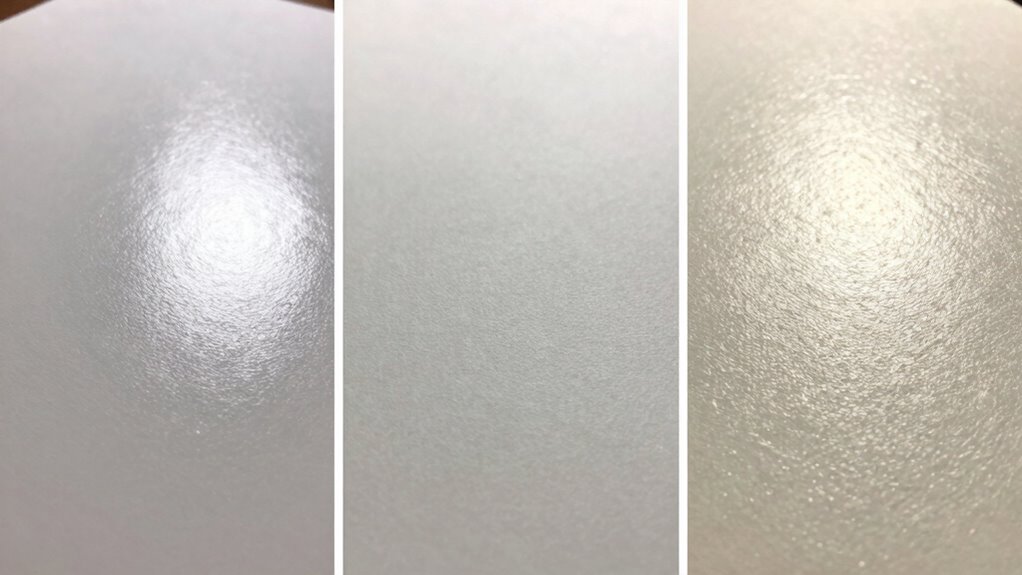
Wondering which paper finish best complements your photography or art project? Choosing the right finish depends on your desired mood, longevity, and presentation style. Consider how different finishes enhance printing techniques and adhere to archival standards. A glossy finish amplifies vibrant colors and sharp details, ideal for dynamic images. Matte offers a soft, non-reflective surface, perfect for a subdued, timeless look. Baryta provides a rich, textured feel with excellent archival qualities, preserving your work for generations. Think about the emotional impact you want to evoke and how your audience will experience the piece. Matching your project’s goals with the right paper finish guarantees your art stands the test of time and resonates deeply. The right choice elevates your work and aligns with your artistic vision.
Frequently Asked Questions
Can Different Finishes Be Combined in One Print?
Yes, you can combine different finishes in one print using mixed finish options and layered coating techniques. This approach lets you highlight certain areas with a glossy shine while keeping other sections matte or baryta for a sophisticated look. By strategically applying layered coatings, you create contrast and depth, making your print more dynamic and visually appealing. Just coordinate the finishes carefully to guarantee a seamless, professional result.
How Do Environmental Factors Affect Paper Finishes Over Time?
Environmental factors like UV exposure and humidity can critically impact your paper finishes over time. UV rays cause fading and deterioration, especially for glossy and baryta surfaces, while high humidity can lead to warping, mold, or adhesion issues. To preserve your prints, keep them away from direct sunlight and maintain a stable, dry environment. Proper storage and controlled conditions help guarantee your paper finishes stay vibrant and intact long-term.
Are Certain Finishes Better for Specific Printing Techniques?
You’ll find that certain finishes excel with specific printing techniques; for example, glossy paper boosts vibrant colors, making images pop by 20%, thanks to its coating durability. Matte surfaces work well with fine details and reduce glare, ideal for text-heavy projects. The surface texture influences ink absorption and adherence, ensuring your prints look crisp and professional. Choosing the right finish enhances print longevity and visual impact, tailored to your printing method.
How Do Paper Finishes Impact Archival and Longevity Qualities?
Paper finishes markedly impact archival quality and longevity. You should choose finishes with acid-free, archival coatings to prevent deterioration over time. UV protection is essential to safeguard your prints from fading caused by light exposure. Matte finishes often offer better longevity because they reduce glare and resist fingerprints, while glossy options may show scratches more easily. Opt for finishes with protective coatings to guarantee your artwork stays vibrant for years.
What Are the Cost Differences Among Glossy, Matte, and Baryta Papers?
You’ll find that glossy papers tend to be more affordable due to lower material expenses, making them a popular choice for budget-conscious projects. Matte papers usually cost a bit more because of their specialized coatings, which add to production costs. Baryta papers are often the most expensive, thanks to their premium quality and unique materials. Overall, your choice depends on your budget and the desired finish, but expect a clear cost comparison among these options.
Conclusion
So, now you’re armed with the ultimate paper finish guide—ready to conquer your print projects. Whether you choose glossy, matte, or baryta, just remember: it’s all about matching your mood, style, and patience for smudges. Don’t overthink it; your perfect finish is out there, waiting to make your artwork shine—or hide its flaws. Happy printing, and may your paper always be just the right kind of fabulous.