Kinetic and responsive murals using mechanical elements and interactive technology transform static walls into lively, engaging public art. As you approach, sensors detect your movement, triggering lighting shifts and mechanical responses like rotating panels or ripple effects that react uniquely each time. This blend of mechanics and digital tech creates immersive experiences, fostering deeper connections and community interactions. If you’re curious about how these innovative art forms come to life, there’s much more to discover ahead.

Get art and craft supplies delivered free with Prime
- Fast, free delivery on millions of items
- Prime Video, Amazon Music and more included
- Member-only deals all year
Key Takeaways
- Kinetic and responsive murals incorporate mechanical elements like rotating panels and ripple effects triggered by viewer movement.
- Sensors detect proximity and motion, activating real-time lighting and mechanical responses for dynamic visual experiences.
- Mechanical components enhance engagement by creating smooth, precise movements that make murals appear reactive and alive.
- Integrating lighting and mechanical responses elevates the visual storytelling and emotional impact of public art installations.
- These murals foster community interaction by transforming static walls into immersive, participatory artistic environments.
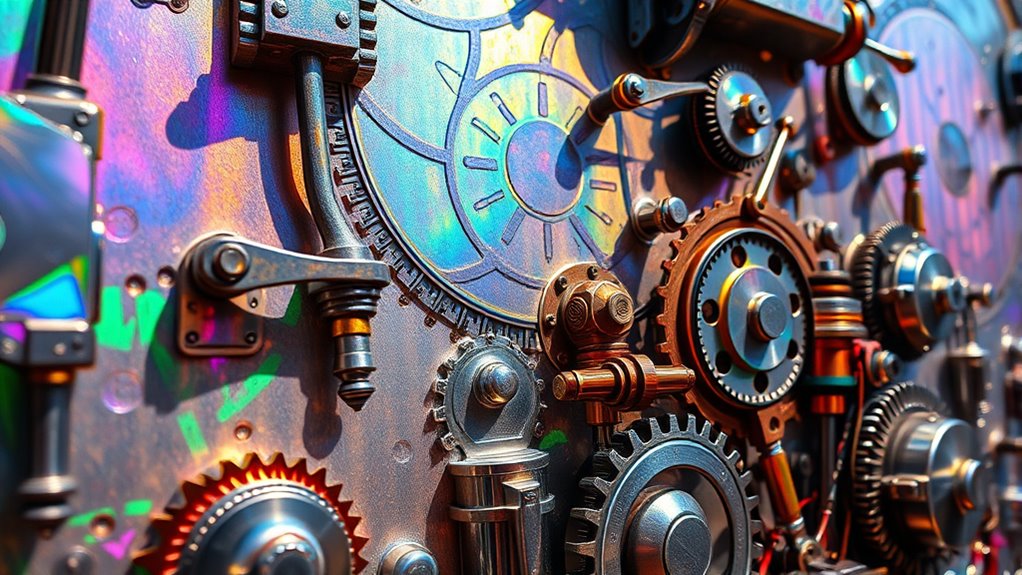
Kinetic and responsive murals are transforming public art by engaging viewers in dynamic, interactive ways. These murals don’t just sit passively on a wall; instead, they respond to your presence and actions, creating a mesmerizing experience that draws you in. By integrating innovative technology like interactive lighting and motion sensors, artists craft installations that come alive as you move around them. When you approach a kinetic mural, sensors detect your proximity, triggering changes in lighting, movement, or other mechanical elements, making each encounter unique. This seamless interaction makes the artwork feel alive, fostering a deeper connection between you and the piece.
Kinetic murals respond to your presence, creating immersive, interactive art experiences that feel alive and engaging.
Using interactive lighting within these murals allows the artwork to shift and evolve in real-time. As you move closer or change your position, the lighting reacts, highlighting different sections or creating shifting color patterns. This not only enhances visual appeal but also invites you to explore the mural from multiple angles, each perspective revealing something new. Motion sensors play a vital role here; they monitor your movements and translate them into mechanical responses. For instance, stepping closer might cause parts of the mural to rotate, ripple, or change color, as the sensors send signals to actuators that drive these movements. This real-time responsiveness ensures no two interactions are exactly the same, making the experience fresh and engaging each time you encounter it.
The mechanical elements embedded within these murals are carefully designed to respond smoothly and precisely to your actions. When you walk past, sensors detect your motion and activate motors that manipulate physical components—like swinging panels, shifting sculptures, or moving parts of the artwork. This creates a kinetic energy that is visually stimulating and emotionally engaging. The combination of mechanical elements with responsive technology results in a mural that feels alive, almost as if it’s reacting specifically to you. As a viewer, you become part of the art itself, influencing its form and movement with your presence. Additionally, understanding the importance of contrast ratio can help artists optimize the visual impact of their murals in different lighting conditions, ensuring the mechanical responses are clearly visible and striking.
Ultimately, these murals redefine how public spaces function. They turn static walls into interactive experiences, encouraging exploration and engagement. By harnessing the power of interactive lighting and motion sensors, artists create kinetic art that responds intuitively to viewers. This not only elevates the aesthetic appeal but also fosters a sense of participation and shared experience, making public art more accessible, exciting, and meaningful for everyone who encounters it.
interactive motion sensor lighting kit
As an affiliate, we earn on qualifying purchases.
As an affiliate, we earn on qualifying purchases.
Frequently Asked Questions
How Do Mechanical Elements Withstand Weather Conditions?
Mechanical elements in murals withstand weather conditions through smart material selection and design. You should choose weather-resistant materials like stainless steel, treated wood, or durable plastics that resist corrosion, rust, and wear. Proper sealing, coatings, and maintenance also enhance weather durability. By prioritizing these factors, you guarantee your kinetic and responsive murals stay functional and vibrant, even when exposed to rain, wind, or sun.
What Maintenance Is Required for Kinetic Murals?
Maintaining mechanical murals means regularly inspecting for wear, weather, and wobbling. You’ll want to wipe, check, and tighten components, ensuring artistic integration remains flawless. Durability depends on quality materials, so keep an eye out for rust or damage, and lubricate moving parts periodically. Consistent care preserves the vibrant visual appeal, prolongs the mural’s life, and keeps the kinetic components functioning smoothly, making sure your masterpiece stays mesmerizing and mechanically sound.
Can These Murals Be Customized for Different Environments?
Yes, these murals can be customized for different environments. You can adapt them for various settings by considering environmental factors like weather and space, ensuring environmental adaptability. Artistic customization allows you to tailor colors, themes, and mechanical movements to match your vision and environment. This flexibility helps your kinetic mural seamlessly integrate into any location, creating an engaging and dynamic visual experience that resonates with your audience.
How Do Audiences Typically Interact With Responsive Murals?
You’ll find that audiences engage with responsive murals through movement and touch, making each interaction unique. They often use their whole body or gestures to trigger changes, enhancing audience engagement. These murals enable interactive storytelling, inviting viewers to become part of the art. As a result, your audience feels more connected and immersed, transforming passive observation into active participation and creating memorable experiences that deepen their appreciation for the artwork.
What Are the Installation Requirements for These Murals?
You should follow specific installation guidelines to guarantee your kinetic and responsive murals work safely and effectively. Make sure to secure mechanical elements properly, considering weight and support structures, and verify electrical connections meet safety protocols. Check for adequate space and accessibility for maintenance. Adhering to these installation guidelines helps prevent accidents, ensuring your mural remains engaging and safe for audience interaction over time.
mechanical kinetic art components
As an affiliate, we earn on qualifying purchases.
As an affiliate, we earn on qualifying purchases.
Conclusion
As you stand before these murals, their silent mechanical movements contrast with the vibrant energy they evoke. You realize that static art no longer holds the same power; instead, kinetic and responsive elements bring murals to life, blending technology with creativity. It’s a dynamic dance between stillness and motion, inviting you to experience art not just as a viewer, but as an active participant. In this fusion, you find a future where murals don’t just decorate—they respond, engage, and evolve.
responsive mural lighting system
As an affiliate, we earn on qualifying purchases.
As an affiliate, we earn on qualifying purchases.
As an affiliate, we earn on qualifying purchases.
Columbus Day / Indigenous Peoples' Day Picks
long weekend sales
As an affiliate, we earn on qualifying purchases.