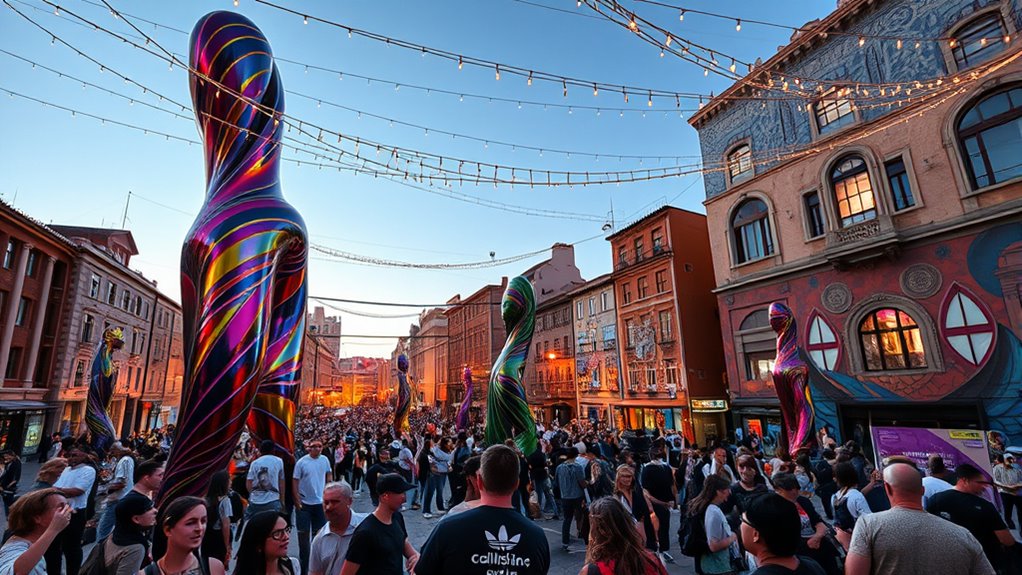

In 2025, cities around the world host vibrant public art festivals that transform urban spaces into lively cultural galleries. You’ll see colorful murals, interactive installations, and performances that celebrate local traditions and contemporary innovation. These festivals foster community pride, attract visitors, and support local economies. By engaging residents and visitors alike, they turn neglected areas into dynamic neighborhoods. Keep exploring to discover how these events are shaping urban renewal and cultural preservation worldwide.
Key Takeaways
- 2025 public art festivals globally focus on urban renewal, transforming neglected spaces into vibrant community hubs.
- Many festivals incorporate local cultural heritage, blending traditional motifs with contemporary art forms.
- Events celebrate diversity and innovation, showcasing collaborative projects from artists, residents, and city planners.
- Interactive and participatory art experiences engage communities through workshops, murals, and community-led installations.
- Advanced technology and high-resolution imaging enhance visual impact, integrating digital tools into public art displays.

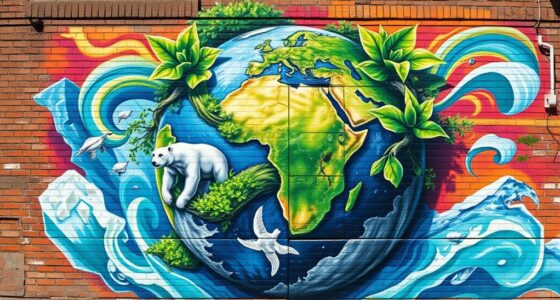
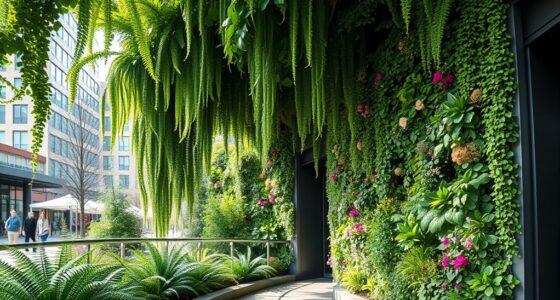
As cities worldwide embrace creativity and community engagement, 2025 promises an exciting lineup of public art festivals that celebrate innovation and cultural diversity. These events transform urban spaces into vibrant galleries, inviting you to experience art that reflects local identity while pushing boundaries. One of the key themes you’ll notice this year is urban renewal, where artists collaborate with city planners and residents to breathe new life into neglected neighborhoods. Public art becomes a catalyst for change, turning blank walls into murals that tell stories of resilience and hope. These installations often go beyond aesthetics, fostering community pride and attracting visitors, which further supports local economies. By integrating art into urban renewal projects, cities not only beautify their surroundings but also create a sense of ownership among residents, making neighborhoods more livable and lively.
Public art revitalizes neighborhoods, fostering pride and community engagement through murals and installations that tell stories of resilience and hope.
At the heart of many festivals, you’ll also find a deep respect for cultural heritage. Artists draw inspiration from local traditions, history, and indigenous practices, creating works that honor the past while embracing the future. This blending of old and new helps bridge generations, allowing you to connect with a city’s roots through contemporary expressions. For example, during the festivals, you’ll see sculptures and performances that incorporate traditional motifs or stories, reinterpreted through modern mediums. These pieces serve as cultural markers, reminding communities of their unique identities amid rapid modernization. The preservation of cultural heritage in public art fosters a sense of continuity and belonging, making each festival a celebration of both history and innovation. Additionally, the integration of high-resolution imaging in project planning enhances the visual impact and accuracy of public artworks, ensuring they resonate deeply with viewers.
Moreover, these festivals often feature interactive and participatory art forms, encouraging you to become part of the creative process. Workshops, live mural paintings, and community-led installations invite your engagement, making art accessible and inclusive. As you explore these festivals, you’ll notice how they serve as platforms for dialogue—bringing together diverse voices and perspectives. Whether it’s a mural that depicts local legends or a performance rooted in traditional dance, these artworks create shared experiences that strengthen community bonds. In this way, public art festivals in 2025 do more than showcase talent; they foster a collective sense of identity rooted in the city’s cultural heritage and ongoing transformation.
Ultimately, as you attend these festivals, you’ll see how art becomes a essential tool for urban renewal and cultural preservation. They challenge you to see cities not just as places to live but as living, breathing entities shaped by history, community, and creative vision.
Hot Fashion Removable Vinyl DIY Black Nursery Flowers Vine and Beautiful Butterfly Wall Corner Decals Wall Sticker Murals Home Art Decor for Girls Kids Bedroom Living Room Home Decorations
The black vine decals on the wall is really great decorations for any smooth wall or window decorations,…
As an affiliate, we earn on qualifying purchases.
As an affiliate, we earn on qualifying purchases.
Frequently Asked Questions
How Do Festivals Impact Local Economies Long-Term?
You see how festivals boost local economies long-term by driving economic revitalization and attracting visitors. They create jobs, increase spending, and promote cultural preservation, which sustains community identity. As visitors return year after year, your town benefits from ongoing tourism, new businesses, and increased property values. This cycle helps stabilize the economy, ensuring growth and vibrancy for years to come, making festivals a crucial part of your community’s future.
What Safety Measures Are in Place for Large Crowds?
You might think safety’s an afterthought, but festival organizers take crowd management seriously—think barriers, designated exits, and real-time monitoring. Emergency preparedness is baked in with trained staff, clear communication plans, and medical stations ready to act. So, while you enjoy the art, rest assured that safety measures are in place to prevent chaos, ensuring everyone stays safe and the event runs smoothly—because no one wants a catastrophe to ruin the fun.
How Are Indigenous Communities Involved in Festival Planning?
You see that indigenous communities are actively involved in festival planning through community collaboration and indigenous representation. Organizers reach out to local leaders, artists, and elders to guarantee their voices are heard and their cultural heritage is accurately represented. This inclusive approach fosters respect, authenticity, and meaningful engagement, allowing indigenous communities to shape festival programs, artworks, and performances that celebrate their traditions and contribute to a richer, more diverse cultural experience for all attendees.
What Are the Environmental Sustainability Practices at These Festivals?
You’ll notice that many festivals prioritize environmental sustainability by implementing recycling initiatives to reduce waste and promote reusability. They also focus on energy conservation, often using solar-powered lights and energy-efficient equipment to lower their carbon footprint. Organizers encourage attendees to participate in eco-friendly practices and incorporate sustainable materials into artworks, making sure the event minimizes its environmental impact while celebrating creativity and community.
How Can Artists Apply to Participate in Upcoming Events?
Imagine your art as a beacon and seize the chance to shine! To apply, visit the festival’s official website for the application process and submit your portfolio before the deadline. Be sure to review the artist selection criteria carefully, focusing on originality, sustainability, and community impact. Craft a compelling proposal that aligns with the festival’s themes, and you could be chosen to showcase your work on a global stage.
interactive art installation kits
As an affiliate, we earn on qualifying purchases.
As an affiliate, we earn on qualifying purchases.
Conclusion
As you explore these vibrant venues, remember that public art isn’t just about aesthetics; it’s about awakening awareness, inspiring interaction, and igniting innovation. By immersing yourself in these festivals, you’ll discover that art’s power lies in its ability to bridge borders, build bonds, and break barriers. So, seize the scenes, spark your spirit, and see how shared creativity shapes a stronger, more connected society. Let art’s adventure always amplify your appreciation and ignite your imagination.
digital high-resolution imaging equipment for art
As an affiliate, we earn on qualifying purchases.
As an affiliate, we earn on qualifying purchases.

Magimate Paint Roller Kit with Tray Large Paint Roller Small Stain Roller and Brush Assorted for Painting Walls Decks Houses, Roller Handle Threaded Extendable Rollers Set 9 Inch -12PK
【Paint Tray Set includes】Large Microfiber Paint Roller Covers 9inch x 3/8” naps x 2; Small Microfiber Paint Rollers…
As an affiliate, we earn on qualifying purchases.
As an affiliate, we earn on qualifying purchases.