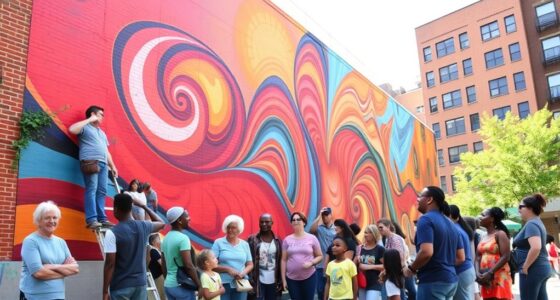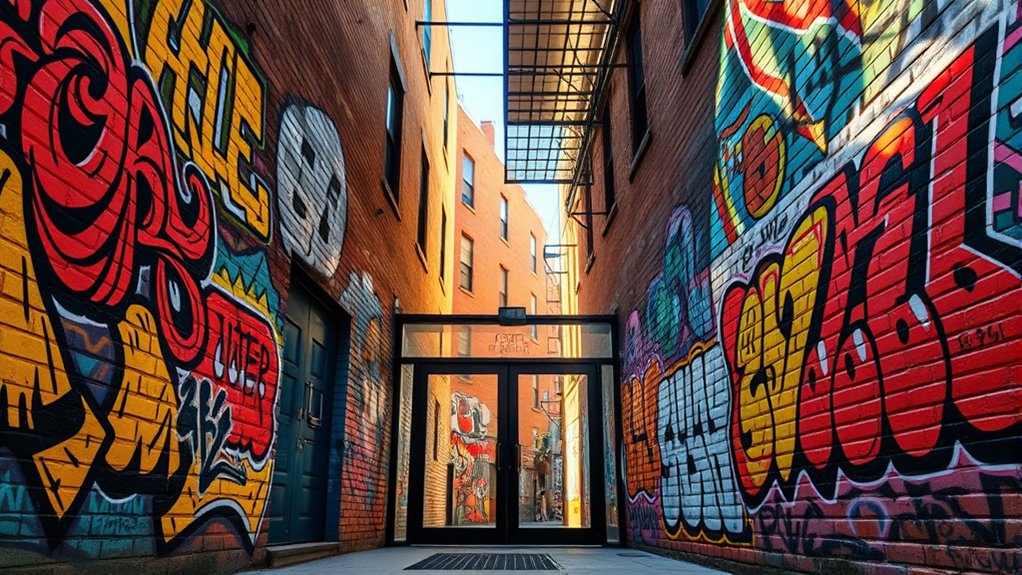

To navigate the mainstream market, you should build a strong portfolio that highlights your unique style and cultural message. Collaborate with galleries and participate in curated exhibits to legitimize your work legally. Developing connections with collectors and understanding the cultural narratives behind your art can open doors. As you transform your street murals into gallery pieces, you’ll shift perceptions of graffiti from vandalism to valued art. Keep exploring how artists successfully make this shift and establish their place in the art world.
Key Takeaways
- Collaborate with galleries and curators to exhibit urban art legally and gain credibility.
- Develop a distinct style and cultural narrative to appeal to mainstream audiences and collectors.
- Participate in curated exhibitions and art festivals to increase exposure and legitimacy.
- Build a professional network within the art industry to access opportunities and partnerships.
- Legally navigate the graffiti scene to maintain authenticity while expanding into mainstream markets.

Once considered merely vandalism, graffiti is increasingly earning its place in the art world, transforming from street scrawls into celebrated gallery pieces. As a street artist, you understand that graffiti is more than just colorful markings; it’s a powerful expression of urban identity. Your work often reflects the culture, struggles, and stories of the neighborhood, making it a crucial part of local life. However, turning your art into a legitimate career isn’t straightforward. Legal challenges are a significant obstacle, as many cities still view graffiti as illegal vandalism. You might face fines, arrests, or even jail time if caught creating your art without permission. These risks force many talented artists to operate under the radar, which limits exposure and growth. Despite these hurdles, some artists find ways to legitimize their craft by working with galleries or private collectors who appreciate the cultural significance of street art.
Navigating the mainstream market requires strategic thinking. You need to understand the legal landscape and find opportunities where your work can be showcased legally. This often means collaborating with galleries that specialize in urban art or participating in curated exhibitions that celebrate street culture. These platforms give your work a broader audience and lend it credibility, helping to shift public perception from vandalism to valued art. Yet, gaining acceptance isn’t just about securing gallery space; it’s also about establishing your identity as an artist within a broader art community. You have to articulate what your work represents and how it connects to the urban environment. This process involves building a portfolio that captures your unique style and message, demonstrating that your art is meaningful and deserving of recognition. Developing a professional network can also open doors to more legitimate opportunities and collaborations. Additionally, understanding the artistic landscape and how it intersects with cultural narratives can be essential for long-term success. Cultivating an authentic voice and understanding cultural narratives can help your work resonate more deeply with audiences and collectors alike. Mastering the legal landscape and adhering to regulations can also help ensure your growth within the industry while maintaining your artistic integrity. Ultimately, your goal is to bridge the gap between underground street art and the mainstream art scene, proving that your work is not just vandalism but a legitimate form of cultural expression. It’s about transforming the perception of graffiti from illegal activity to celebrated art that captures the spirit of the city and resonates with a wider audience.

Sohynca Plastic Art Portfolio, Large Art Portfolio with Handles,Waterproof Portfolio Folder for Artwork, Arts Storage Case for Drawing Sketch Photography Poster (17.32 x 13.22 inch)
Durable Plastic Construction: Made from thick and waterproof PP plastic to keep artwork safe and tidy.
As an affiliate, we earn on qualifying purchases.
Frequently Asked Questions
How Do Street Artists Maintain Authenticity in the Gallery Scene?
You maintain authenticity in the gallery scene by staying true to your urban identity and cultural roots. You incorporate elements that reflect your community and personal story, ensuring your work resonates genuinely. By preserving cultural traditions and resisting commercial pressures, you keep your art authentic. Embracing your unique voice and background helps you bridge the gap between street art’s raw energy and gallery sophistication, ensuring your work remains genuine and impactful.
What Are the Legal Risks of Transitioning Into Mainstream Art Markets?
When you shift into mainstream art markets, you face legal liabilities like copyright disputes and potential lawsuits. You risk losing control over your work, especially if copyright issues arise or if others claim rights to your designs. It’s essential to understand intellectual property laws and secure proper permissions to protect your creations. Being aware of these legal risks helps you navigate the market confidently while safeguarding your artistic integrity.
How Do Street Artists Price Their Work for Galleries?
Did you know that street artists often price their work based on market value, with some pieces reaching thousands of dollars? When pricing for galleries, you should consider your pricing strategies carefully, factoring in your reputation, the size, and the complexity of your work. You want to reflect its true value while remaining competitive. Ultimately, understanding market value helps you set fair prices that attract galleries and respect your artistic worth.
What Role Do Social Media Platforms Play in This Transition?
Social media platforms play a vital role in your shift from street art to the mainstream market by boosting your digital exposure and enabling urban branding. You can showcase your work to a global audience, build a following, and attract gallery interest. Social media also helps you craft your personal brand, making your art more marketable and positioning you as a professional artist in the wider art world.
How Do Galleries Select Street Artists to Showcase?
Isn’t it fascinating how galleries find street artists? They often look for those whose work aligns with urban branding and cultural integration, reflecting contemporary society. You’re chosen based on your unique style, storytelling ability, and impact within urban environments. Galleries seek artists who can bridge street art’s raw energy with mainstream appeal, turning vibrant street narratives into refined gallery pieces. Your authentic voice becomes a crucial part of this sophisticated cultural dialogue.

TreochtFUN Art Portfolio Case 19x25 - Large Drawing Portfolio with Backpack & Tote Bag for Artist Supplies (Black)
【ART BAGS FOR SUPPLIES】TreochtFUN Art Portfolio Bag Is Made For 600d Fabric, Black Fabric Is Durable,tear-proof, Water Resistant,...
As an affiliate, we earn on qualifying purchases.
Conclusion
As you watch street artists transform from rebels to revered creators, you see passion turn into professionalism, chaos into commerce, and raw talent into polished art. You witness the journey from underground walls to gallery halls, from anonymity to recognition. This evolution reminds you that art’s true power lies in its ability to break boundaries, challenge norms, and inspire change—whether on the streets or in the gallery. And in that movement, you find the pulse of a shifting creative world.
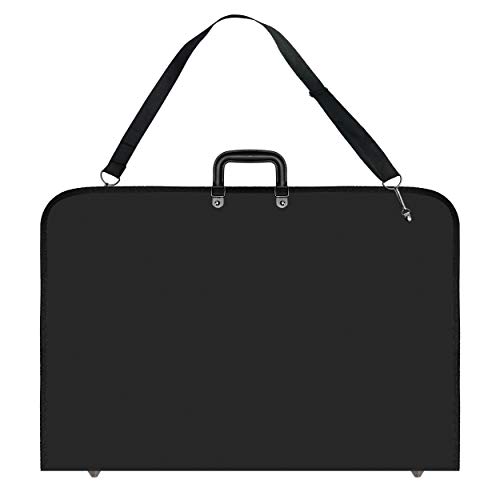
Vantasii Black Spill-Resistant Art Artist Portfolio Sketching Supplies Case A2 Size with Reinforcing Plate & Shoulder Strap for Students, Designers. (28” x20”x1.5”)
Elegant Design: A convenient case that holds all your drawing supplies going around. Full-length A2 size, durable and...
As an affiliate, we earn on qualifying purchases.

Large 24 x 36 inches Art Portfolio Bag, Fits ARCH D Blueprints, Posters & Art Prints, Waterproof Artist Case with Shoulder Strap, Durable Grey Carrying Tote for Architects, Designers & Students
FITS 24x36 INCHES (ARCH D) PLANS & ARTWORK: Fits standard U.S. 24x36 inches blueprints, art prints, posters, sketch...
As an affiliate, we earn on qualifying purchases.