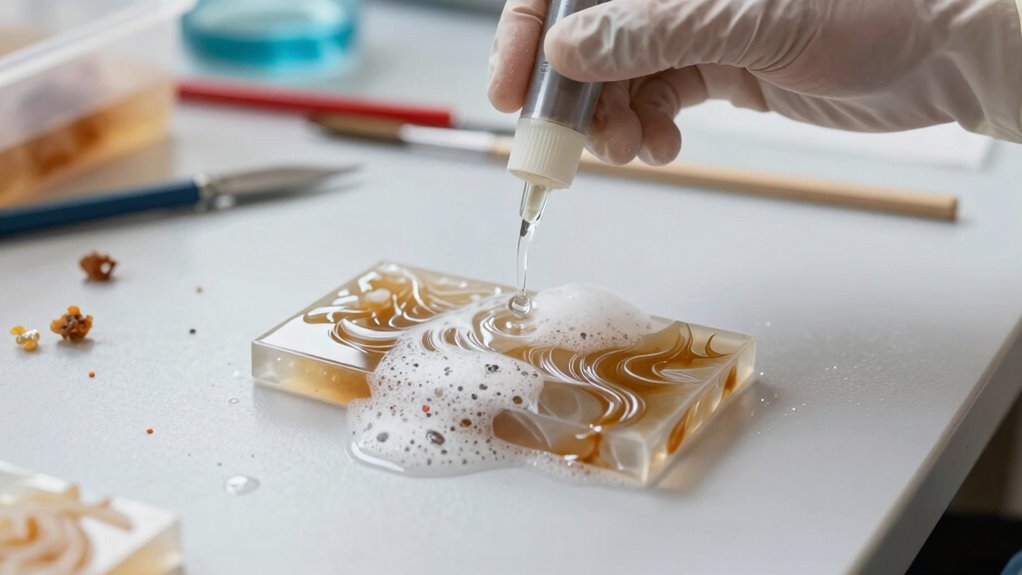

Many beginners skip proper resin cleanup, risking health hazards, damaged prints, and costly repairs. You should always wear safety gear like gloves, goggles, and respirators when handling resin or cleaning tools. Take the time to thoroughly rinse prints with isopropyl alcohol, carefully dispose of resin waste, and organize your workspace. Skipping these steps can lead to resin curing inside your printer or exposing yourself to fumes. Continue underneath to discover proven routines for safer, more effective resin post-processing.

Get art and craft supplies delivered free with Prime
- Fast, free delivery on millions of items
- Prime Video, Amazon Music and more included
- Member-only deals all year
Key Takeaways
- Many beginners skip thorough cleaning, risking resin curing inside components and damaging the printer.
- Proper PPE use during cleanup is often neglected, exposing users to harmful fumes and skin contact.
- Rushing post-printing routines can lead to resin buildup, clogging, and compromised print quality.
- Failing to dispose of resin waste correctly causes environmental hazards and legal issues.
- Inadequate workspace ventilation and organization increase health risks and reduce cleanup efficiency.
As an affiliate, we earn on qualifying purchases.
Why Proper Resin Cleanup Is Essential for Your Safety and Printer Longevity
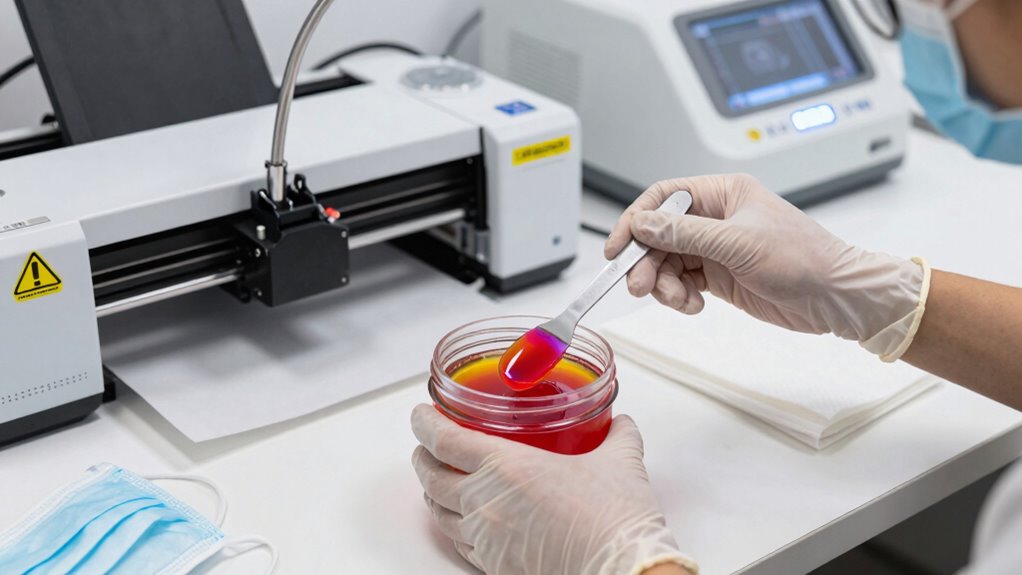
Proper resin cleanup is essential because leftover resin can pose health risks and damage your printer over time. When you handle resin, following strict safety protocols minimizes skin contact and inhalation of fumes. Proper resin handling includes wearing gloves, masks,, and eye protection to prevent exposure. Clean your printer thoroughly after each use to remove residual resin that could harden and clog components. Neglecting cleanup can lead to resin buildup, which hampers print quality and causes costly repairs. Additionally, leftover resin can emit toxic fumes or cause skin irritation if mishandled later. Regular maintenance routines such as consistent cleaning and inspection can help prevent these issues. Implementing a comprehensive cleanup process ensures that all resin residues are effectively removed, reducing the risk of curing inside delicate components. Ensuring proper resin disposal practices not only protects your health but also maintains the integrity of your printer’s internal parts. Practicing thorough and timely cleanup can significantly reduce the risk of resin curing inside delicate components, extending the lifespan of your printer. By adhering to safety protocols during cleanup, you protect yourself from health hazards and extend your printer’s lifespan, ensuring consistent, high-quality prints and a safer workspace.
isopropyl alcohol for resin cleaning
As an affiliate, we earn on qualifying purchases.
As an affiliate, we earn on qualifying purchases.
Common Mistakes Beginners Make When Cleaning Resin Prints
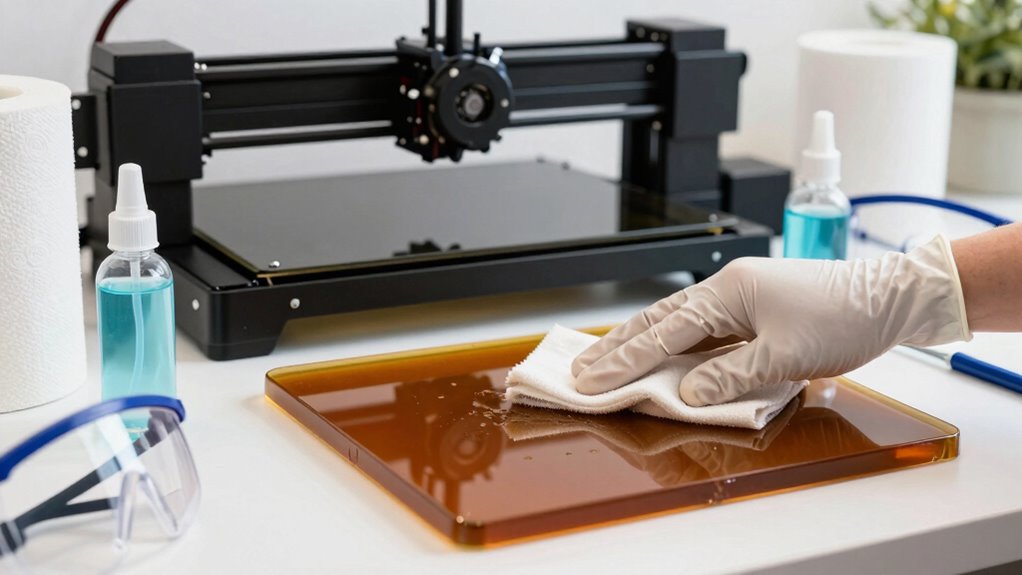
One of the most common mistakes beginners make when cleaning resin prints is rushing the process or skipping important steps. This can cause damage to the print or result in a poor finish. Many overlook the dangers of resin fumes left on the surface, which can be harmful if not properly cleaned. Failing to thoroughly wash off residual resin can also lead to uneven UV curing, affecting the print’s strength and appearance. Some try to speed up UV curing after cleaning, but incomplete curing can trap uncured resin, risking future deterioration and health hazards. Taking your time guarantees all resin residues are removed and the print is properly cured. Additionally, understanding the future trends in resin printing safety emphasizes the importance of adopting comprehensive cleaning routines. Proper cleaning and curing routines protect your health, improve print quality, and extend your printer’s lifespan. Paying attention to print safety and following recommended procedures ensures a safer and more successful resin printing experience. Being aware of resin toxicity and how to handle it safely is also crucial for long-term safety. Incorporating proper disposal methods into your routine helps minimize environmental impact and prevents potential health risks. Recognizing the significance of ventilation during and after printing can further reduce exposure to hazardous fumes.
As an affiliate, we earn on qualifying purchases.
What Safety Gear Do You Need for Resin Post-Processing?
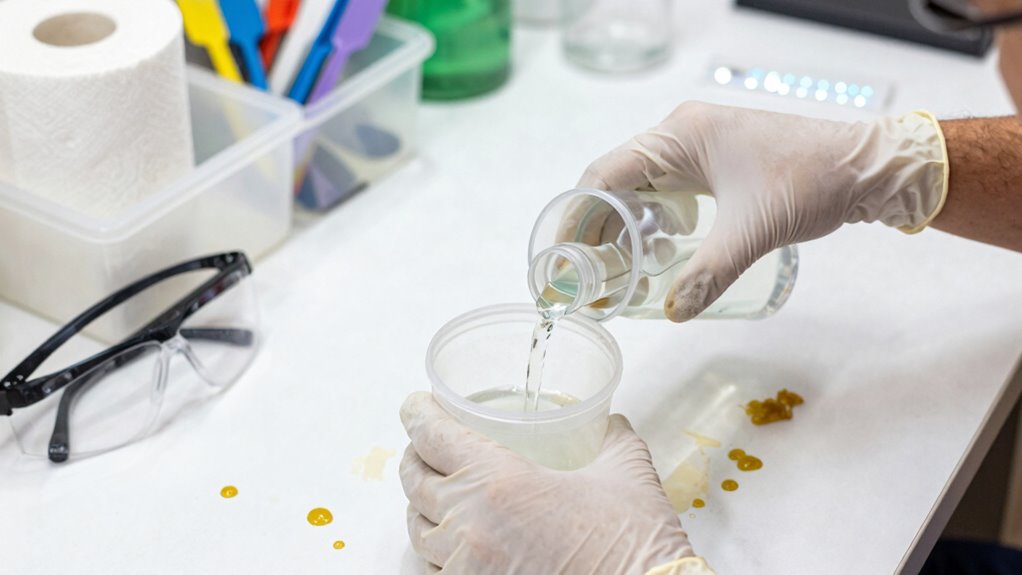
When handling resin prints during post-processing, wearing the right safety gear is essential to protect yourself from harmful fumes, skin contact, and splashes. Protective gloves are a must; they prevent resin from touching your skin and causing irritation or allergic reactions. Make sure to select gloves made of nitrile or latex, and change them regularly. Respirator masks are equally important—they filter out toxic fumes released during cleaning and curing. Use a properly fitted mask rated for fumes, like an N95 or respirator with organic vapor cartridges. Never skip these safety essentials, even if you’re just working for a few minutes. Proper gear minimizes health risks and ensures your post-processing routine is safe and effective.
As an affiliate, we earn on qualifying purchases.
How to Safely Remove Excess Resin From Your Prints : a Step-By-Step Guide
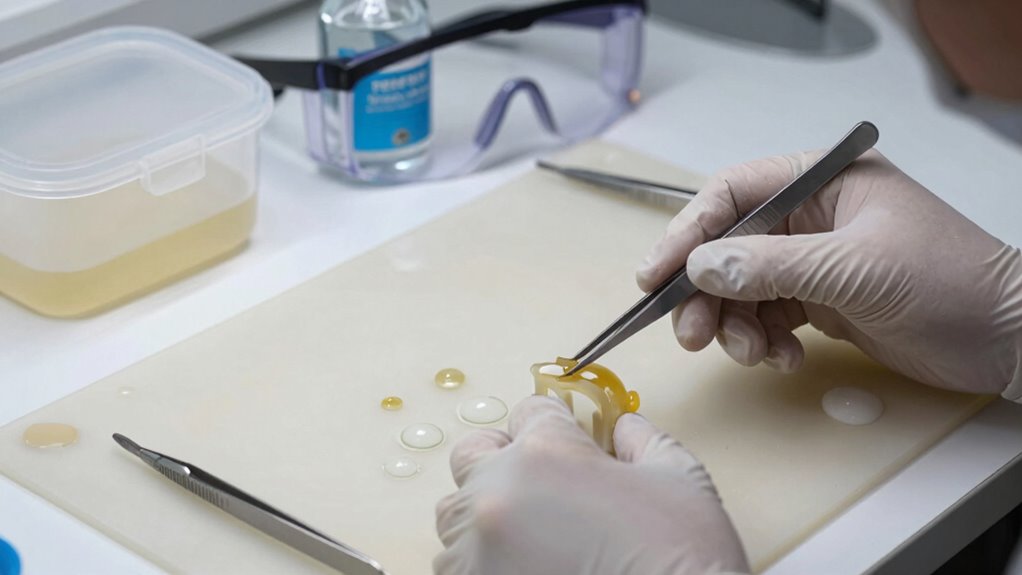
Wondering how to remove excess resin safely from your prints? Start by wearing gloves and eye protection to avoid contact with resin residue. Use a paper towel or soft cloth to gently wipe away any excess resin from the surface. For stubborn resin residue, soak a lint-free cloth in isopropyl alcohol and carefully clean the print, ensuring you’re in a well-ventilated area. Employ proper cleanup techniques by avoiding harsh scrubbing, which can damage the print’s surface. Use precision tools like tweezers or soft brushes to remove resin from small crevices. Always work over a disposable surface or container to contain drips. Once completed, rinse the print with clean alcohol if necessary, and dry it thoroughly before further post-processing. Additionally, consider using environmentally friendly craft patterns and disposal methods to minimize environmental impact.
Best Practices for Disposing of Resin Waste Safely and Legally
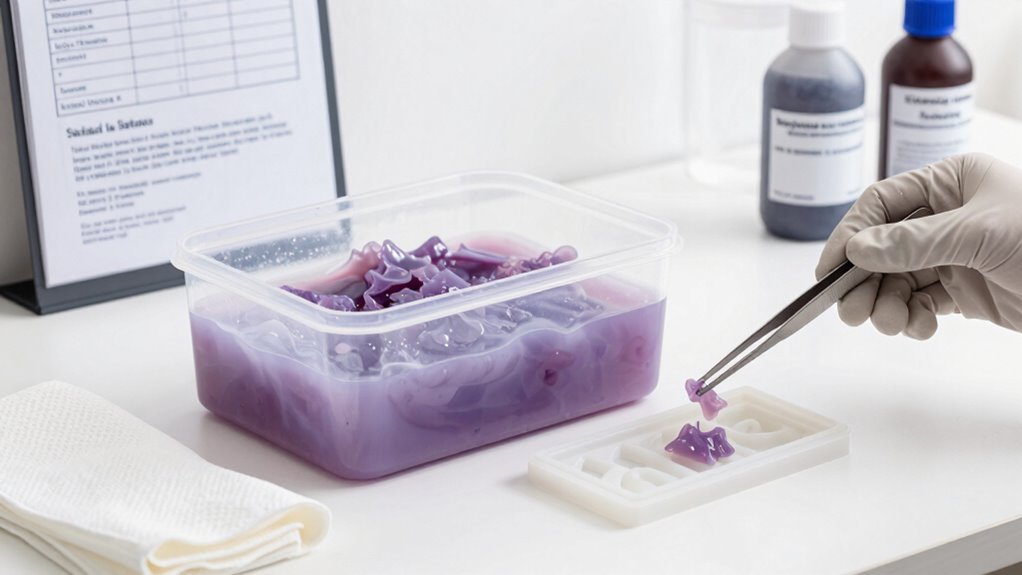
Proper disposal of resin waste is a crucial part of maintaining a safe and environmentally responsible 3D printing practice. To stay compliant with resin waste regulations and handle hazardous materials properly, always use designated containers for resin scraps and cured waste. Never pour liquid resin or contaminated materials down the drain, as this can harm the environment and violate laws. Instead, solidify remaining resin and dispose of it through authorized hazardous waste facilities. Keep detailed records of your waste disposal to ensure legal compliance. Awareness of symbolic meanings and environmental impact can help reinforce responsible practices. Recognizing environmental hazards associated with resin waste underscores the importance of following these disposal methods. Incorporating proper storage conditions for resin waste can further reduce risks and environmental contamination. Additionally, understanding the proper handling procedures for resin waste can help prevent accidental spills and exposure. Being aware of regulatory requirements ensures that your disposal methods meet legal standards and protect the environment.
How to Handle and Store Isopropyl Alcohol and Solvents Safely
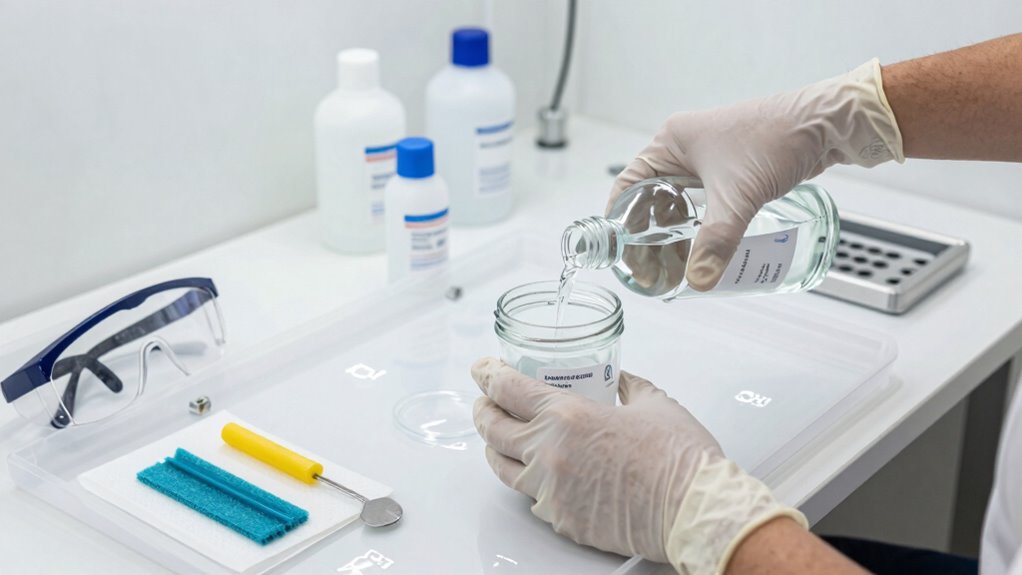
To keep yourself safe, you need to store isopropyl alcohol and solvents properly in secure, labeled containers away from heat sources. Always wear protective gear like gloves and goggles when handling these chemicals to prevent skin and eye irritation. Proper disposal methods are essential to avoid environmental harm and comply with safety regulations. Additionally, understanding projector specifications can help you select appropriate storage and handling procedures for various chemicals. Being aware of Gold IRA markets can also provide insights into safe investment practices, emphasizing the importance of proper handling and secure storage of valuable assets. Regularly reviewing chemical safety guidelines ensures you stay updated on best practices and potential hazards. Moreover, familiarizing yourself with storage safety protocols is crucial to prevent accidents and ensure the longevity of your supplies. Familiarity with bank SWIFT/BIC codes can also be useful when transferring funds securely for purchasing safety supplies or equipment.
Proper Storage Techniques
Handling and storing isopropyl alcohol and solvents safely is essential to prevent accidents and maintain a safe workspace. Proper resin storage involves using clearly labeled, sealed containers to avoid confusion and spills. Store solvents in cool, well-ventilated areas away from heat sources or flames. Always check container labels before use and ensure lids are tightly secured. To reinforce this, consider the following:
| Resin Storage | Container Labeling |
|---|---|
| Keep in designated, cool areas | Clearly mark contents and hazards |
| Use appropriate, approved containers | Update labels if contents change |
| Avoid storing near incompatible materials | Ensure labels are legible and visible |
| Regularly inspect for leaks or damage | Maintain organized, clutter-free storage |
Additionally, understanding the ethics in genetic testing can help you make informed decisions about handling hazardous materials responsibly. Proper training on material safety procedures can further reduce risks associated with chemical storage and handling. Following these techniques minimizes risks and keeps your workspace safe.
Handling Protective Gear
Ever wondered how to safely handle and store isopropyl alcohol and solvents? Your protective gear and safety equipment are essential. Always wear gloves, goggles, and a respirator when working with these chemicals to prevent skin irritation and inhalation risks. After use, carefully remove and inspect your protective gear for damage or contamination. Store safety equipment in a clean, dry area away from heat sources and direct sunlight to maintain its effectiveness. Keep isopropyl alcohol and solvents in clearly labeled, tightly sealed containers to prevent leaks or accidental spills. Proper handling and storage of your protective gear not only safeguard your health but also prolong their lifespan. Always follow manufacturer instructions for safety equipment and guarantee your workspace remains safe and compliant.
Safe Disposal Methods
When disposing of isopropyl alcohol and solvents, it’s essential to follow proper procedures to prevent environmental contamination and safety hazards. First, always store resin waste and used solvents in clearly labeled, sealed containers away from heat or direct sunlight. Check your local disposal regulations, as they often specify how to handle and discard hazardous materials like resin waste and chemicals. Never pour excess resin or solvents down the drain or onto the ground. Instead, take them to authorized disposal facilities or recycling centers. If your area allows, some solvents can be evaporated in well-ventilated areas, but avoid this with resin waste. Proper disposal protects both your environment and your safety, ensuring you remain compliant with legal standards.
Tips for Keeping Your Workspace Clean, Organized, and Safe
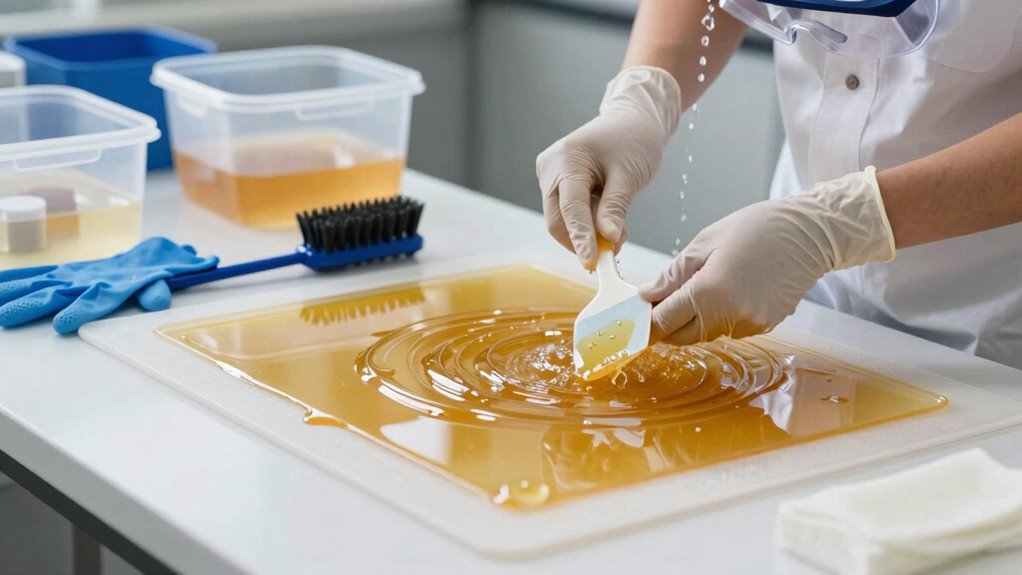
Keeping your workspace clean, organized, and safe is essential for a smooth resin printing experience. Proper workspace ventilation helps minimize resin fumes, reducing health risks and keeping the air fresh. Regularly wipe down surfaces with appropriate cleaners to prevent resin buildup and spills that could cause accidents. Store resins, tools, and waste materials in clearly labeled containers to avoid cross-contamination and confusion. Keep a dedicated cleanup station nearby to streamline the process and prevent messes from spreading. Use gloves and masks when handling resin and cleaning supplies to protect your skin and lungs. Maintaining a clutter-free environment not only enhances safety but also boosts efficiency, letting you focus on your print jobs without distractions or hazards.
Troubleshooting Common Resin Cleanup Problems
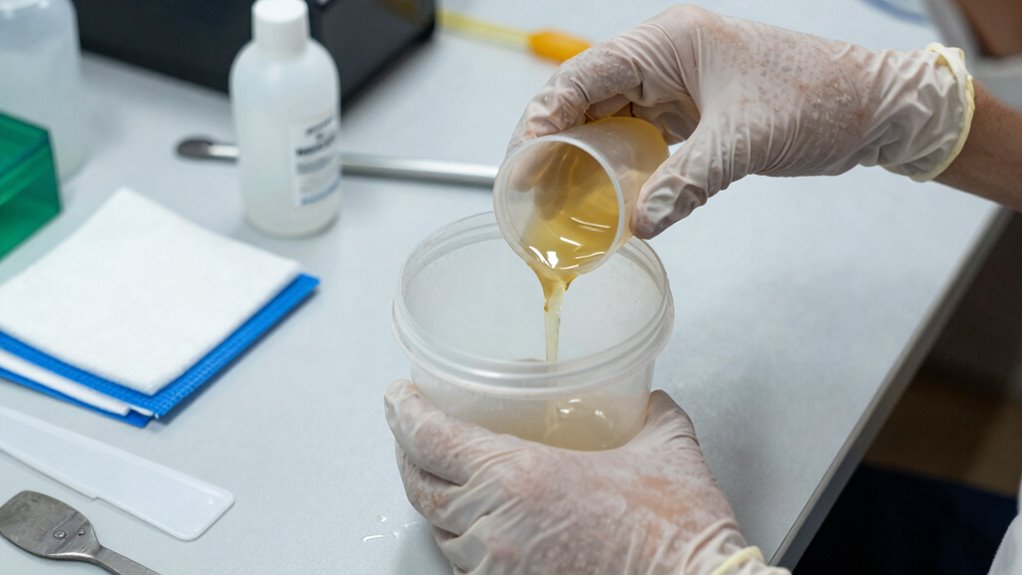
When cleanup goes awry, improper resin disposal can cause hazards, so always follow proper techniques to prevent spills or contamination. Residue remnants can be stubborn, but using effective removal methods guarantees your workspace stays safe and clean. Addressing these issues quickly keeps your printing process smooth and minimizes health risks.
Proper Resin Disposal Techniques
Proper resin disposal is essential to maintain safety and environmental responsibility during your 3D printing projects. You must follow chemical safety guidelines to handle leftover resin appropriately, preventing skin contact and inhalation risks. Always store unused resin in sealed, labeled containers, and never pour it down drains or onto the ground, as this harms waste management efforts. Instead, use approved waste disposal services or follow local regulations for hazardous waste. When cleaning tools and containers, ensure residual resin is solidified or stored safely before disposal. Proper disposal not only keeps your workspace safe but also protects the environment from contamination. By adhering to correct waste management practices, you minimize health risks and contribute to a cleaner, safer environment for everyone involved.
Effective Residue Removal Methods
Residual resin can be stubborn to remove, especially when it clings to tools and surfaces. To effectively eliminate resin residue, use the right techniques. First, soak your cleaning tools in isopropyl alcohol to loosen stubborn resin. Then, gently scrub surfaces with soft brushes or microfiber cloths to lift the resin residue. For thicker deposits, consider using plastic scrapers carefully to avoid damage. Rinsing with warm water and reapplying alcohol helps ensure thorough cleaning. Dry everything completely to prevent leftover residue from hardening. Keep in mind, maintaining your cleaning tools after each use preserves their effectiveness and prevents resin buildup. Regular cleaning routines with these methods will make resin residue removal easier and safer, reducing the risk of contamination or damage during your next print.
How Regular Maintenance Extends Your 3D Printer’s Lifespan
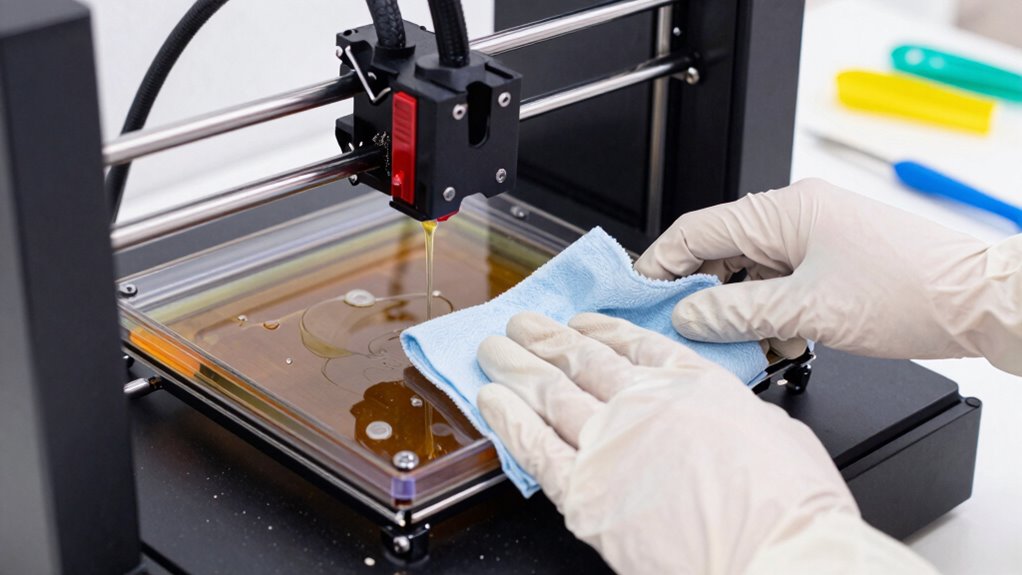
Regular maintenance is essential for keeping your 3D printer in top condition and extending its lifespan. By routinely checking and cleaning components, you prevent resin curing buildup that can clog parts and cause print failures. Properly calibrating your printer ensures consistent quality and reduces unnecessary wear. Regular upkeep also helps identify issues early, saving you money and time.
| Maintenance Task | Benefit |
|---|---|
| Clean resin vat and tray | Prevents resin curing residue that impacts prints |
| Check print calibration | Ensures accurate prints and reduces strain |
| Inspect FEP film | Maintains smooth resin flow |
| Lubricate moving parts | Reduces wear and prolongs component life |
| Replace filters or screens | Keeps resin fresh and prevents blockages |
Essential Resources for Safe Resin Print Cleanup
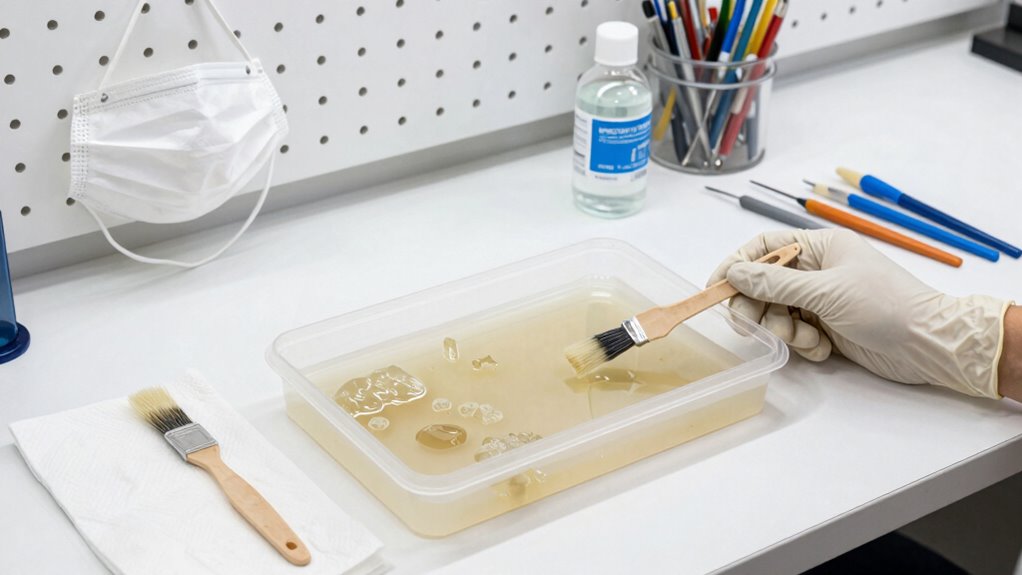
Maintaining a safe environment during resin print cleanup requires having the right tools and protective gear on hand. Proper resin safety depends on essential cleanup tools that make the process safer and more efficient. You’ll need items like nitrile gloves, safety goggles, and a mask to protect your skin and eyes from harmful fumes and spills. A dedicated plastic scraper helps remove excess resin without scratching surfaces. Keep containers of isopropyl alcohol or other cleaning solutions nearby for thorough cleaning. Paper towels or lint-free cloths assist in wiping surfaces safely. Investing in these cleanup tools ensures you handle resin safely, minimizes exposure, and keeps your workspace clean. With the right resources, you can perform resin safety cleanup confidently and effectively.
Frequently Asked Questions
How Often Should I Clean My Resin Printer After Use?
You should clean your resin printer after every use to maintain safety and print quality. Start by wearing safety equipment like gloves and masks, then carefully remove residual resin, avoiding spills. Properly store leftover resin to prevent contamination. Regularly wipe down the build plate, resin tank, and other surfaces with isopropyl alcohol. Consistent cleaning not only prolongs your printer’s life but also keeps your workspace safe and resin storage secure.
Can I Reuse Leftover Resin Safely for Future Prints?
Yes, you can reuse leftover resin if you store it properly, like tucking it away in an airtight container. Just remember, contamination prevention is key—strain the resin to remove cured bits and keep it clean. Resin storage in a sealed container prevents it from thickening or curing prematurely, allowing you to reuse it for future prints. Always check the resin’s consistency before pouring it into your printer.
What Are the Signs of Resin Exposure or Skin Irritation?
You’ll notice skin irritation if your skin becomes red, itchy, or develops a rash after resin exposure. Other resin exposure symptoms include swelling, burning sensations, or blistering. If you experience any of these signs, wash the affected area immediately with soap and water, avoid further contact, and seek medical advice if irritation persists. Always wear gloves and protective gear to minimize the risk of skin irritation during resin handling.
Are There Eco-Friendly Options for Resin Waste Disposal?
Did you know that nearly 60% of resin waste can be recycled or reused? You can opt for biodegradable resins, which break down more safely in the environment, reducing your footprint. Recycling resin is also an eco-friendly option, allowing you to process leftover resin into new prints. Always follow local disposal regulations, and consider using biodegradable options to minimize environmental impact while enjoying your resin printing hobby.
How Can I Prevent Odors During Resin Cleanup?
To prevent odors during resin cleanup, guarantee proper ventilation by opening windows and using exhaust fans. Use odor neutralizers like activated charcoal or air purifiers to absorb fumes effectively. You can also wear a respirator mask for added protection. Regularly clean your workspace and avoid airtight containers that trap smells. These ventilation tips and odor neutralizers help keep your environment fresh and safe while handling resin waste.
Conclusion
Think of proper resin cleanup as tending to a delicate garden—you must nurture it carefully to keep it thriving. Skipping routines might seem quick, but it risks damaging your tools and health, like weeds overtaking a once-beautiful space. By consistently caring for your workspace and safety, you’re not just maintaining a printer—you’re cultivating a safe environment where your creativity can flourish without shadows. Protect your workspace, and it will reward you with endless possibilities.
Columbus Day / Indigenous Peoples' Day Picks
long weekend sales
As an affiliate, we earn on qualifying purchases.