
TL;DR

Get art and craft supplies delivered free — and shop member deals
- Fast, free delivery on millions of items
- Access to Prime Big Deal Days deals on October 6–7
- Prime Video, Amazon Music and more included
Pope Leo XIV said at a Vatican cultural gathering on Oct. 2 that art made by machines differs fundamentally from human art and argued that authentic culture preserves a human spark. He said the Church plans to renew its alliance with artists and cultural institutions, but gave no specific policy measures or timeline in the reported remarks.
Pope Leo XIV said on Oct. 2 that art made by artificial intelligence differs fundamentally from human art, and called for the Catholic Church to renew its ties with artists and cultural institutions. His remarks at the Vatican addressed concerns about AI’s role in culture, including the risks of censorship and homogenization, according to a report by Hyperallergic.
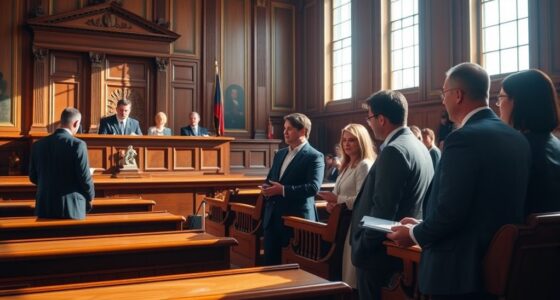
The speech took place in the Vatican’s Consistory Hall during “The Art of Possibility: Weaving Together,” a gathering organized by the Dicastery for Culture and Education. Artists and curators attended, including people who have contributed to the Vatican’s pavilion at the Venice Biennale in recent years. The report places the remarks within a broader discussion of how technology is changing the production and reception of art.
Leo argued that the difference between human art and machine-generated output is not only aesthetic. “There is an ontological difference — even before an aesthetic one — between art and what a machine can generate through statistical calculation based on millions of images created by others,” he said, according to Hyperallergic. The distinction, in his framing, concerns what art is and how it arises, not simply whether a generated image looks convincing.
Referring to this year’s Vatican pavilion title, “The Ear is the Eye of the Soul,” the Pope described art as a way of making human questions perceptible and shareable. He also quoted his first encyclical, “Magnifica Humanitas,” published in May. “Algorithms lack the spark of the human, whereas authentic culture and art preserve this spark,” he said. The report says the encyclical cautions against allowing technological performance or speed to stand in for human empathy and connection.
The Vatican’s Case for Human Creativity
The remarks put the Pope’s concern about AI into a specific cultural setting: the work of artists, curators and institutions that shape how art is made and encountered. His appeal suggests that the Church sees its relationship with those communities as one response to the effects of automated tools on creative life. It also presents art not only as a product but as a means of expressing and sharing human experience.
For readers following AI’s influence on creative work, Leo’s argument draws a boundary between statistical generation and art rooted in human intention and experience. That is a philosophical position, rather than a technical assessment of any particular AI system. The warning about homogenization and censorship signals the concerns raised in the speech, but the report does not identify a particular platform, policy or incident as its focus.
The call for renewed institutional ties matters because it points toward continued engagement between the Vatican and the arts community. Whether that engagement will take the form of events, funding, guidance or other practical measures was not specified in the reported remarks.
digital art drawing tablets for artists
As an affiliate, we earn on qualifying purchases.
As an affiliate, we earn on qualifying purchases.
From Biennale Pavilion to Vatican Speech
The Vatican has maintained a presence at the Venice Biennale, and the Oct. 2 gathering included artists and curators connected to its pavilion. Hyperallergic also points to the pavilion’s opening in May, when musician and artist Patti Smith inaugurated it with a sound installation. The report describes the installation as encouraging listening and contemplation, linking it to questions about human thought and spiritual enrichment.
Leo’s comments also connect with “Magnifica Humanitas,” his first encyclical, which was published in May, according to the report. The letter frames progress in human terms, emphasizing empathy and connection rather than technological speed or performance alone. Together, the encyclical and the new speech show that the Pope’s comments on AI sit within a wider argument about the values that should guide technological change, while the Oct. 2 remarks bring that argument directly to the arts.
“There is an ontological difference — even before an aesthetic one — between art and what a machine can generate through statistical calculation based on millions of images created by others.”
— Pope Leo XIV, as quoted in Hyperallergic
As an affiliate, we earn on qualifying purchases.
No Measures or Timeline Announced
The report does not describe a specific Church policy, program or set of rules for AI-generated art. It is also unclear what practical steps would follow from Leo’s call to renew ties with artists and cultural institutions, or whether the Vatican plans to issue further guidance. His remarks identify broad concerns about censorship and cultural homogenization but do not name particular systems, companies or cases.
The available account does not establish how artists or cultural organizations at the gathering responded, nor does it detail any agreement reached there. The Pope’s comments should be read as his stated view of AI and art, not as a technical finding about the capabilities of every generative system.
As an affiliate, we earn on qualifying purchases.
Vatican’s Next Cultural Steps
The next development to watch is whether the Vatican or the Dicastery for Culture and Education turns the call for closer ties with artists into concrete initiatives. The report provides no schedule for further meetings or policy announcements. The Church’s future statements and activity around its cultural programs may show how its concerns about AI will shape engagement with artists and institutions.
For now, the confirmed development is the speech itself: Leo defended the distinct value of human art and linked that position to the Vatican’s broader emphasis on empathy and human connection. The scope of any institutional response remains open.
art preservation and restoration tools
As an affiliate, we earn on qualifying purchases.
As an affiliate, we earn on qualifying purchases.
Key Questions
What did Pope Leo XIV say about AI and art?
He said machine-generated work differs from human art at a fundamental level and argued that authentic culture and art preserve a human spark. He also warned about concerns including censorship and cultural homogenization.
Where and when did the Pope make the remarks?
Leo spoke on October 2, 2026, in the Vatican’s Consistory Hall at “The Art of Possibility: Weaving Together,” organized by the Dicastery for Culture and Education.
Did the Vatican announce new rules for AI art?
No specific rules, policy measures or implementation schedule are described in the report. Leo called for renewed ties with artists and cultural institutions, but what that will involve remains unclear.
Why did the Pope refer to the Venice Biennale?
The Vatican has a pavilion at the Biennale, and the gathering included artists and curators connected to it. The report also cites Patti Smith’s sound installation at the pavilion’s May opening as related cultural context.
Source: rss
Halloween Picks
halloween
As an affiliate, we earn on qualifying purchases.