
In uncertain economies, leveraging art and alternative assets lets you diversify your portfolio and protect your wealth. Auction markets act as key indicators of market sentiment and liquidity, especially as digital platforms make access easier worldwide. Stricter regulations boost transparency, giving you more confidence to use art as collateral or an investment. By understanding these trends, you can identify opportunities to navigate risks effectively and strengthen your financial position—exploring further reveals even more strategies to succeed.
Key Takeaways
- Art finance offers diversification and wealth protection during economic uncertainty, enabling flexible investment and leveraging without long-term commitments.
- Digital transformation and online auctions increase accessibility, liquidity, and global participation in art investment markets.
- Auction house trends reflect market sentiment and serve as indicators of art asset liquidity and value stability.
- Stricter regulations and transparency measures strengthen market integrity, aiding asset liquidation and collateral use in uncertain times.
- Evolving legal frameworks and compliance requirements help safeguard investments, fostering confidence amid economic volatility.
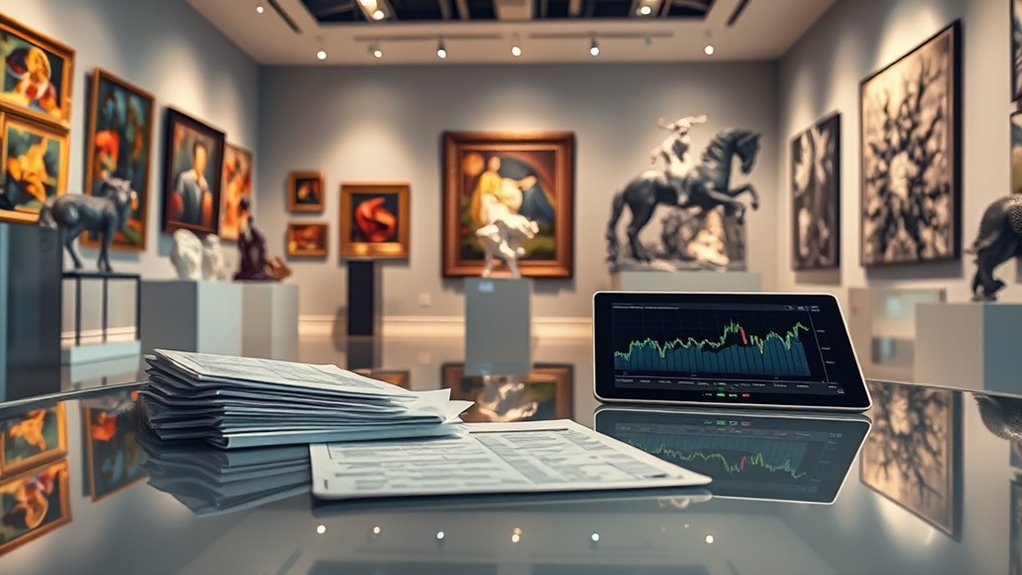
Art finance has emerged as a dynamic way to unfasten the value of artworks and other alternative assets. In today’s fluctuating economic landscape, more investors are turning to art as a means to diversify their portfolios and safeguard their wealth. One key aspect driving this shift is the evolving landscape of auction house trends. Auction houses now serve not just as venues for buying and selling art but as essential indicators of market sentiment and liquidity. They influence how investors perceive the value of high-end artworks, making auctions a critical barometer for market health. As auction houses adapt to digital transformations and global demand, they provide more accessible opportunities for investors to tap into art’s financial potential. This evolution allows you to leverage art assets without necessarily taking ownership or committing to long-term storage, making art a more flexible investment.
Simultaneously, the art market regulation environment plays a significant role in shaping your ability to navigate these investments confidently. Regulations are tightening around transparency, provenance verification, and anti-money laundering measures, which directly impact how you buy, sell, and finance artwork. Stricter rules mean greater protection against fraud and misrepresentation, giving you peace of mind when entering the art finance space. However, regulatory changes can also introduce complexities, requiring you to stay informed and work with knowledgeable professionals. For example, compliance with international standards can influence how easily you can leverage art as collateral or liquidate assets during economic downturns. These regulations aim to create a more stable and trustworthy market, but they also mean you need to be aware of legal frameworks that could affect your investment strategies. Additionally, understanding cosmic connections and how they influence cultural beliefs about beauty and value can serve as a unique perspective when evaluating art’s significance and market appeal.
In uncertain economies, the interplay between auction house trends and art market regulation becomes even more critical. As the market adjusts to new rules and shifting buyer behaviors, you can capitalize on emerging opportunities for liquidity and asset diversification. The growing prominence of online auctions and digital platforms broadens access, allowing you to participate in high-value sales globally. Meanwhile, increased regulation helps prevent market manipulation and enhances investor confidence, making art a more reliable store of value when traditional assets falter. By understanding these trends and regulatory developments, you’re better positioned to make informed decisions that optimize your art investments. Whether you’re considering short-term liquidity solutions or long-term portfolio diversification, staying attuned to how auction house trends and regulation evolve will help you navigate the complexities of art finance in an increasingly uncertain economic environment.
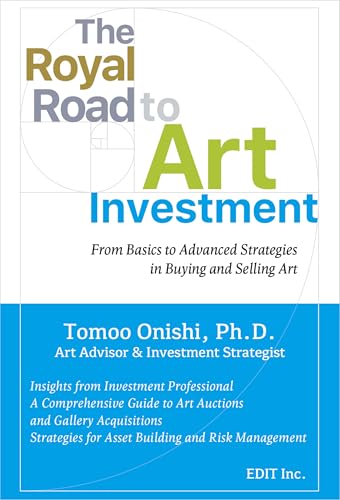
The Royal Road to Art Investment -From Basics to Advanced Strategies in Art Investment-
As an affiliate, we earn on qualifying purchases.
As an affiliate, we earn on qualifying purchases.
Frequently Asked Questions
How Do Art Valuations Impact Financing Options?
Art valuations considerably impact your financing options because accurate valuations influence loan amounts and terms. By understanding art market trends and applying reliable valuation methodologies, you can better demonstrate your artwork’s worth to lenders. If valuations are high and well-supported, you’re more likely to secure favorable financing. Conversely, inconsistent or outdated valuations can limit your options, making it essential to stay informed about current market trends and use precise valuation techniques.
What Are the Risks of Investing in Alternative Assets?
When you invest in alternative assets, you face risks like fluctuating market values and liquidity issues. You should consider insurance implications, as these assets often require specialized coverage to protect against loss or damage. Additionally, cultural value can influence demand and price stability. Be aware that shifts in public interest or legal protections might impact your investment’s long-term value, so thorough due diligence is essential.
How Does Market Volatility Affect Art as Collateral?
Market volatility can profoundly impact art as collateral by causing fluctuations in art market cycles and complicating price fluctuation analysis. When prices swing unpredictably, your collateral’s value becomes uncertain, increasing the risk of margin calls or liquidation. You need to stay informed about current market trends and conduct thorough price fluctuation analysis to assess how art’s value might change during volatile periods, ensuring your investments remain secure.
Can Art Investments Generate Consistent Income Streams?
Art investments can generate some income, but they often lack consistency due to fluctuating art market trends. You might see steady returns with strategic investment diversification, but relying solely on art for regular income isn’t realistic. Keep in mind that the art market’s volatility impacts earnings, so it’s best to view art as a long-term asset rather than a reliable income stream. Balancing your portfolio helps manage these risks effectively.
What Legal Considerations Exist for Art-Backed Loans?
Legal limitations land on art-backed loans, requiring you to verify art provenance and safeguard intellectual property rights. You must guarantee the artwork’s authenticity, clarity on ownership, and clear titles to prevent disputes. You also need to navigate contracts carefully, understanding the lender’s rights if the borrower defaults. By diligently documenting provenance and respecting intellectual property, you protect yourself from legal liabilities and keep your art investments compliant and secure.

Sell Your Crafts Online: The Handmaker's Guide to Selling from Etsy, Amazon, Facebook, Instagram, Pinterest, Shopify, Influencers and More
As an affiliate, we earn on qualifying purchases.
As an affiliate, we earn on qualifying purchases.
Conclusion
Even in uncertain economies, investing in art and alternative assets can diversify your portfolio and provide stability. You might worry about liquidity or market volatility, but with the right strategies and expert guidance, these assets can offer unique opportunities and growth. Don’t let fear hold you back; embracing art finance allows you to protect your wealth while appreciating cultural value. Take a strategic step today, and you’ll find resilience in unexpected markets.
art as collateral financing
As an affiliate, we earn on qualifying purchases.
As an affiliate, we earn on qualifying purchases.

The Worth of Art: Financial Tools for the Art Markets
As an affiliate, we earn on qualifying purchases.
As an affiliate, we earn on qualifying purchases.