
The online art sales market is set for steady growth through 2025, driven by technological innovations like augmented reality and blockchain that boost security and authenticity. As you browse digital platforms, you’ll find more diverse styles, mediums, and price points accessible from your home. Buyers increasingly see online channels as their primary source for collecting art, making the market more global and personalized. Stay tuned to discover what the future holds for online art commerce.
Key Takeaways
- Online art sales are projected to grow steadily through 2025, driven by advancing digital technologies.
- Integration of AR and blockchain will enhance authenticity and security in online transactions.
- Increasing adoption of mobile devices will facilitate easier browsing and purchasing of art globally.
- Expanded offerings across diverse styles and price points will attract a broader range of buyers.
- Digital platforms will continue democratizing the art market, making it more accessible and personalized.

Despite the rapid digital transformation in the art world, online art sales continue to surge, shaping the future of art commerce. As a passionate collector or a curious buyer, you’re likely noticing how the art market is shifting toward digital platforms. These platforms have revolutionized how art is bought and sold, breaking down geographic barriers and opening up new opportunities for both emerging and established artists. The convenience of browsing vast collections from your home, combined with advanced search filters and secure payment options, makes online art transactions more accessible and efficient than ever before. This digital shift has not only expanded the reach of the art market but also increased transparency and competition, leading to more dynamic pricing and diverse offerings.
You might wonder why this growth persists despite traditional galleries and brick-and-mortar auctions still holding sway. The answer lies in the adaptability of digital platforms. They provide real-time access to global marketplaces, allowing you to discover art from different cultures and price ranges without leaving your couch. These platforms also offer detailed provenance, high-resolution images, and virtual viewing rooms, giving you a richer buying experience. As a result, many collectors now see online art sales as a primary channel rather than a supplement to physical galleries. This shift means you can make informed decisions with extensive information, reducing uncertainties associated with remote purchases.
Looking ahead to 2025, the growth trajectory of online art sales appears promising. Industry forecasts suggest that digital platforms will continue to innovate, integrating technologies like augmented reality (AR) and blockchain to enhance security and authenticity. This evolution will make it even easier for you to verify the provenance of artworks and ensure secure transactions. Additionally, the increasing adoption of mobile devices means you can browse, bid, and purchase art on the go, further fueling the expansion of the online art market. As more artists and galleries embrace these platforms, expect a broader range of styles, mediums, and price points to be available at your fingertips. Moreover, the integration of advanced technology will help improve the accuracy of online art sales, making transactions safer and more transparent.
In essence, the future of online art sales looks bright, and you’re at the forefront of this transformation. The art market is becoming more democratized, allowing you to participate more actively in the global art economy. As digital platforms continue to evolve, they’ll offer smarter, more personalized experiences that cater directly to your tastes and preferences. Whether you’re a serious collector or a casual enthusiast, the growth of online art sales signals exciting opportunities to explore and acquire art in ways that are faster, safer, and more versatile than ever before.
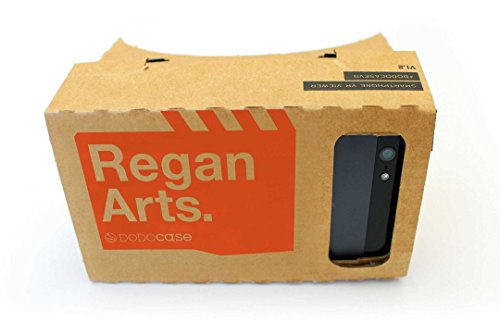
Virtual Reality Beginner's Guide + Google Cardboard Inspired VR Viewer
As an affiliate, we earn on qualifying purchases.
As an affiliate, we earn on qualifying purchases.
Frequently Asked Questions
How Do Online Art Sales Compare to Traditional Gallery Sales?
You’ll find online art sales are growing rapidly, often surpassing traditional gallery sales. Digital transactions make purchasing easier and more accessible, while art authentication technologies help verify authenticity and build trust. You can explore diverse artists and styles from home, making it convenient to buy art online. As the market expands, you’ll notice more collectors valuing the ease of online transactions combined with reliable authentication methods.
What Are the Main Challenges Faced by Online Art Marketplaces?
You face challenges like ensuring digital security to protect buyers and sellers from fraud. Seller verification is essential to maintain trust and authenticity on the platform. Additionally, you must navigate issues like high competition, maintaining quality standards, and building a user-friendly experience. Overcoming these hurdles helps you foster credibility, attract more users, and ultimately succeed in the competitive online art marketplace.
How Is Customer Trust Established in Online Art Transactions?
You build customer trust in online art transactions by prioritizing authenticity verification and offering secure payment methods. Clearly showcase certificates of authenticity and detailed provenance to assure buyers of artwork legitimacy. Use trusted, encrypted payment options to protect financial information. Transparent return policies and responsive customer support also help foster confidence. When you demonstrate commitment to authenticity and security, your customers feel more comfortable making purchases online.
Which Regions Are Experiencing the Fastest Growth in Online Art Sales?
Like the early explorers charting new worlds, you’ll find emerging markets leading the charge in online art sales. Regions such as Southeast Asia, Latin America, and Africa are experiencing rapid growth thanks to expanding digital art platforms. You can capitalize on these trends by engaging with local audiences, understanding regional preferences, and leveraging technology. These areas are shaping the future of online art commerce, offering exciting opportunities for growth and discovery.
What Technological Innovations Are Shaping the Future of Online Art Commerce?
You’ll see AI integration transforming online art commerce by personalizing recommendations and enhancing virtual experiences, making it easier to discover artwork you love. Blockchain authentication is also shaping the future, providing secure proof of provenance and ownership, which boosts buyer confidence. These technological innovations streamline transactions, improve security, and foster trust, ensuring a more seamless and reliable online art marketplace for you to explore and purchase with confidence.
art provenance blockchain verification
As an affiliate, we earn on qualifying purchases.
As an affiliate, we earn on qualifying purchases.
Conclusion
As you navigate the booming online art market, remember that growth isn’t just a flash in the pan—it’s a renaissance powered by technology and passion. By 2025, expect even more opportunities to discover, buy, and sell artworks with ease, much like the great art salons of the 19th century, but with a modern twist. Stay ahead of the curve, embrace digital galleries, and let your artistic journey flourish in this exciting new era.

Digital Picture Frame, 15.6 Inch Large Frameo Digital Photo Frame WiFi, 32GB, 1920 * 1080 IPS HD Touch Screen, Tabletop&Wall-Mounted, Share Picture Video, Birthday, Wedding, for Mom
Instant Share via Frameo APP; Connect your frame to WIFI, and share photos and videos(Max.15s) quickly via a…
As an affiliate, we earn on qualifying purchases.
As an affiliate, we earn on qualifying purchases.

AMEI Art,24X48 Inch 3D Hand-Painted Red Artwork Textured Abstract Oil Paintings on Canvas Modern art Decor for Wall Blooming Flower Paintings Wood Inside Framed Ready to Hang (Fiery Red)
Oil Paintings Size:24*48inch (60x120CM)
As an affiliate, we earn on qualifying purchases.
As an affiliate, we earn on qualifying purchases.