Using acid-free backing is essential to protect your artwork from long-term damage caused by acidic materials that can lead to fading, yellowing, and brittleness. Standard backings may seem fine initially but can cause irreversible deterioration over time. By choosing high-quality, lignin-free, archival-grade materials and installing them properly, you guarantee your piece stays vibrant and intact for years. Keep going to discover vital tips for selecting, installing, and maintaining the ideal framing setup.
Key Takeaways
- Always use acid-free, lignin-free backing materials to prevent deterioration and preserve artwork over time.
- Proper installation with archival adhesives and hinges ensures long-term protection and prevents damage.
- Regularly inspect framed artworks for signs of acid damage, and replace backing materials if necessary.
- Incorporate UV-protective glass and breathable backing to shield artwork from environmental harm.
- Upgrading framing components with archival-grade materials extends the artwork’s lifespan and maintains visual quality.

Lineco Frame Backing Paper Roll, Acid-Free, Cut to Size, Use for Framing, Projects, Art, Crafts, Backgrounds, and Giving a Finish Look to Your Art & Prints, 24 inches X 72 inches, Gray
Lineco frame backing papers are acid-free and buffered with 3% calcium carbonate to preserve the artwork
As an affiliate, we earn on qualifying purchases.
As an affiliate, we earn on qualifying purchases.
Why Is Acid-Free Backing Essential for Artwork Preservation?

To preserve your artwork over time, using acid-free backing is essential. Acid-free materials are crucial in archival techniques because they prevent the deterioration caused by acidic substances that can weaken paper and fabric. When selecting backing materials, material testing is vital to ensure they are truly acid-free and won’t harm your artwork. Acidic backing can lead to discoloration, brittleness, and eventual damage, compromising the integrity of your piece. By choosing acid-free backing, you create a buffer that slows the aging process and maintains your artwork’s original condition. This simple step aligns with best archival practices, providing long-term preservation and peace of mind. Understanding the acid migration process helps you better assess the suitability of your backing materials for long-term preservation. Additionally, knowing about archival quality materials ensures you make informed choices that support your artwork’s longevity. Protecting your work starts with proper materials, and acid-free backing is a key part of that preservation strategy. Recognizing the importance of material testing enables you to confidently select appropriate backing options that uphold your artwork’s integrity.
archival-quality framing materials
As an affiliate, we earn on qualifying purchases.
As an affiliate, we earn on qualifying purchases.
What Are the Risks of Using Standard Backing Materials?
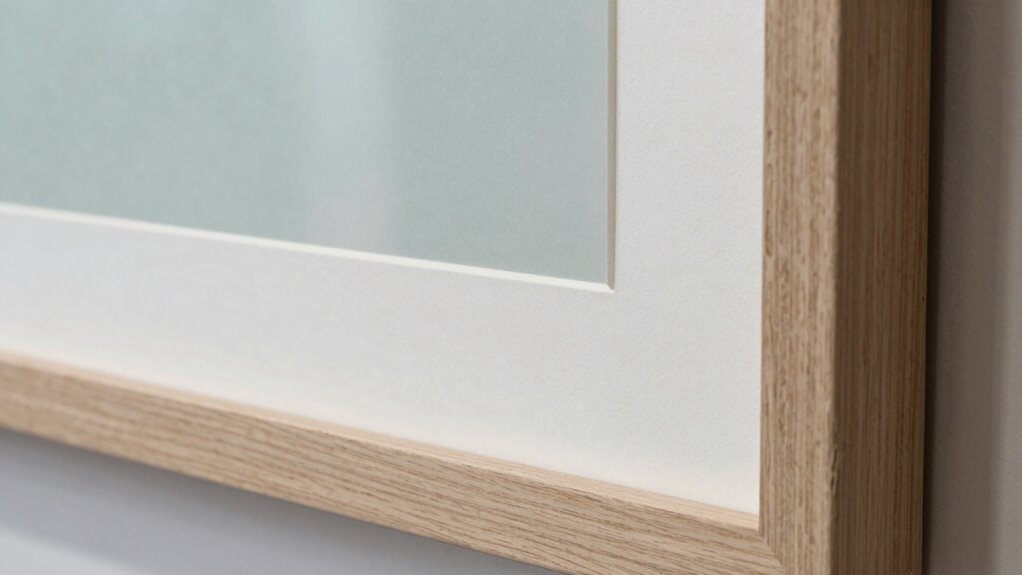
Using standard backing materials instead of acid-free options can pose serious risks to your artwork’s longevity. Acidic backings can slowly deteriorate over time, releasing acids that damage the paper and colors, leading to fading or discoloration. This deterioration compromises the integrity of your piece, reducing its lifespan and affecting overall artwork longevity. Additionally, standard materials may cause staining or staining of the artwork itself, which can be difficult or impossible to remove. Beyond preservation concerns, these materials can also harm framing aesthetics by causing uneven discoloration or warping around the edges. Proper preservation techniques are essential to ensure your artwork remains vibrant and intact for years to come. Moreover, selecting archival-quality materials can significantly enhance your artwork’s durability and appearance over time.
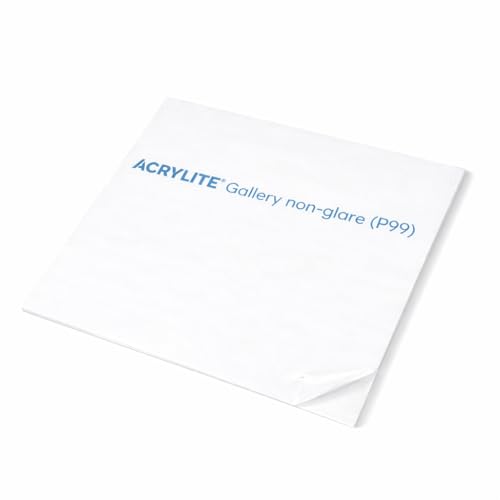
Acrylic Glass Shatterproof 99% UV Protected Conservation Clear OP3 Premium Framing Grade Display For Picture Frame (8 x 10)
Lightweight: Features a lightweight design that makes handling and installation easier compared to traditional glass
As an affiliate, we earn on qualifying purchases.
As an affiliate, we earn on qualifying purchases.
How Does Acid-Free Backing Protect Your Artwork Over Time?
Because acid-free backing materials are free of harmful acids, they actively prevent the deterioration process that damages artwork over time. Standard acidic paper can release acids that break down paper fibers, causing yellowing, brittleness, and fading. Using archival materials ensures your artwork is protected from these harmful effects. Acid-free backing neutralizes any residual acids and provides a stable environment that slows down chemical reactions responsible for deterioration. This protection is essential for preserving the integrity of your work, especially over decades. By choosing archival-quality, acid-free backing, you create a barrier that safeguards your artwork against future damage caused by environmental factors and aging. Additionally, selecting archival-quality materials ensures that your preservation methods meet industry standards for long-term conservation. Implementing acid-free backing is a key step in maintaining your artwork’s original appearance and value for years to come. Incorporating proper preservation techniques further enhances your artwork’s longevity, ensuring it remains in excellent condition over the years. Choosing the right backing materials also involves understanding their material composition, which directly impacts their durability and protective qualities.

Lineco Archival Self-Adhesive Frame Sealing Tape. Acid-Free, Non-Yellowing Tape, for Seal Framing Backs, DIY, Crafts, White, 1.25" x 85 ft. Pack of 1
Lineco is a leading manufacturer of archival quality framing supplies for artwork, photographs, and documents. Trusted by professional…
As an affiliate, we earn on qualifying purchases.
As an affiliate, we earn on qualifying purchases.
How to Choose the Right Acid-Free Backing Materials
Choosing the right acid-free backing materials is essential to ensuring your artwork stays protected over time. First, look for high-quality, archival-grade backing boards that are truly acid-free and lignin-free to prevent deterioration. Use archival adhesives to securely attach the backing without introducing acids or damaging the artwork. Consider UV protective glass when framing to shield your piece from harmful ultraviolet rays that can fade colors and weaken materials over time. The backing should be sturdy yet breathable, allowing moisture to escape and preventing mold growth. Always verify that the materials are labeled as acid-free and archival. Additionally, selecting proper backing materials that are compatible with your artwork helps prevent chemical reactions that could compromise its integrity over time. Proper storage conditions and handling also play a crucial role in preservation. Ensuring proper environmental controls, such as stable temperature and humidity levels, further extends the life of your artwork. Implementing strategies from wealth protection strategies, such as using secure and durable backing, can also safeguard your artwork from accidental damage. Maintaining a controlled environment reduces the risk of deterioration caused by fluctuations in temperature and humidity. By selecting the proper backing materials and combining them with UV protective glass, you greatly enhance the longevity and preservation of your artwork.
How to Install Acid-Free Backing Correctly
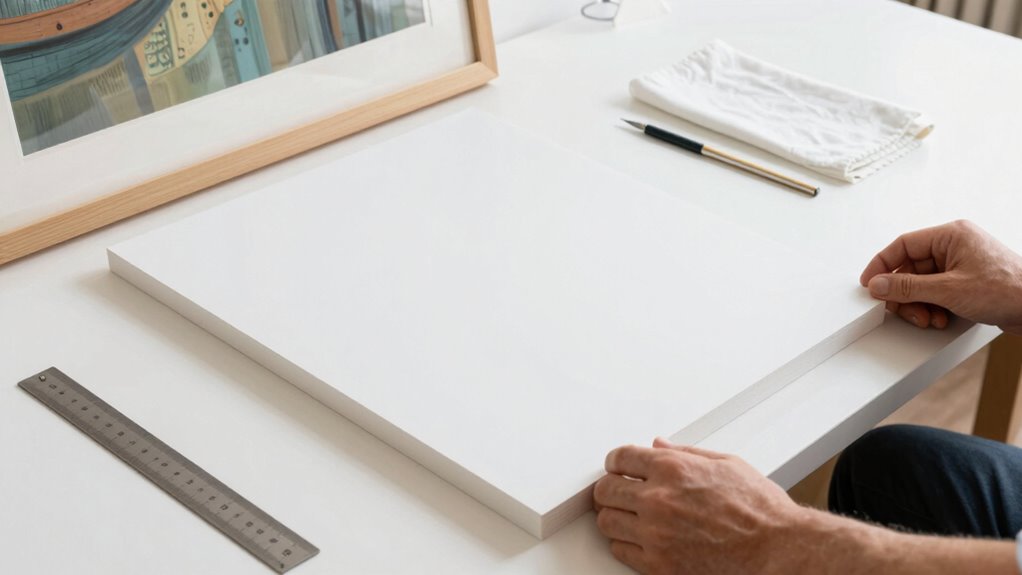
Wondering how to install acid-free backing properly? Start by carefully measuring your artwork and selecting the right matting techniques to complement your framing style. Place the acid-free backing behind your artwork, ensuring it’s aligned correctly. Use acid-free tape or hinges to secure the backing without damaging the piece. When attaching the backing, avoid stretching or putting pressure on the artwork, which can cause warping or damage over time. For different framing styles, adjust the placement of the backing to enhance visual appeal and stability. Keep your workspace clean to prevent dust or debris from contaminating the materials. Proper installation preserves your artwork’s integrity, ensuring it remains protected and visually appealing for years to come. Additionally, understanding proper handling techniques can help prevent accidental damage during installation and maintenance. Being mindful of eco-friendly disposal tips can also promote sustainable practices when replacing or discarding framing materials. Incorporating acid-free storage methods can further extend the longevity of your artwork outside of framing situations. Paying attention to material compatibility ensures that all components work harmoniously to protect your artwork effectively. Taking the time to select the appropriate acid-free adhesives is crucial for maintaining long-term preservation.
Common Mistakes That Can Damage Your Acid-Free Backing
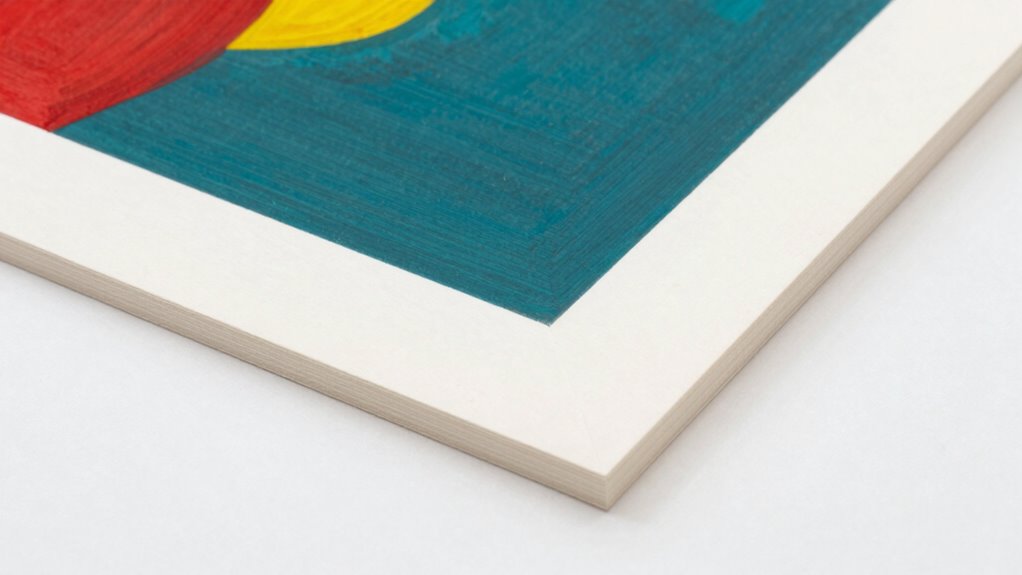
You might unknowingly damage your acid-free backing by using acidic materials or storage methods that aren’t suitable. Ignoring material compatibility can lead to deterioration over time, even if your backing is correctly installed. Being aware of these common mistakes helps you protect your artwork and preserve its value. Additionally, choosing proper storage techniques ensures your backing remains free from harmful acids and environmental damage. Using culturally authentic Indonesian decor masks in your display can also influence the overall preservation of aesthetic integrity by avoiding materials that may not be acid-free. Incorporating acid-free materials in framing and storage can further extend the lifespan of your work and prevent long-term damage. Being mindful of material compatibility is essential for long-term preservation.
Using Acidic Materials Unknowingly
Many people unknowingly damage their acid-free backing by using acidic materials during framing. These materials can release acids over time, jeopardizing your artwork’s longevity. To prevent this, focus on proper archival techniques and careful material sourcing. Be cautious when selecting items like tape, adhesives, or mats, as they might seem harmless but are often acidic.
- Avoid standard adhesives that aren’t labeled acid-free or pH-neutral.
- Check the labels of mats and backing boards for archival quality.
- Steer clear of paper products that aren’t specifically designed for preservation.
- Always verify the sourcing of framing materials to ensure they’re acid-free and archival safe.
Using the right materials helps protect your work from deterioration caused by unnoticed acidity.
Improper Storage Techniques
Improper storage techniques can silently damage your acid-free backing, undermining the preservation of your artwork. Using the wrong storage containers, such as acidic or flimsy materials, can introduce harmful chemicals that degrade the backing over time. Avoid stacking or overcrowding items, which can cause pressure and distort the backing’s structure. When handling your artwork, use clean, dry hands or wear gloves to prevent oils and dirt from transferring. Always support the piece fully to prevent bending or tearing. Store flat in a climate-controlled environment, away from direct sunlight, moisture, and temperature fluctuations. Proper handling techniques and suitable storage containers are vital to maintain the integrity of your acid-free backing and ensure your artwork remains protected for years to come.
Neglecting Material Compatibility
Neglecting material compatibility can silently cause damage to your acid-free backing over time. When you use incompatible materials, such as a material mismatch or framing incompatibility, harmful reactions can occur. These reactions may lead to discoloration, warping, or deterioration of your artwork. To avoid this, always check that your backing, mats, and adhesives are acid-free and archival-quality. Be cautious of common pitfalls:
- Using non-archival adhesives that can degrade over time
- Combining acidic mats with acid-free backing
- Mixing materials with different pH levels that react negatively
- Overlooking the importance of compatible framing components
Is the Extra Cost of Acid-Free Backing Worth It?
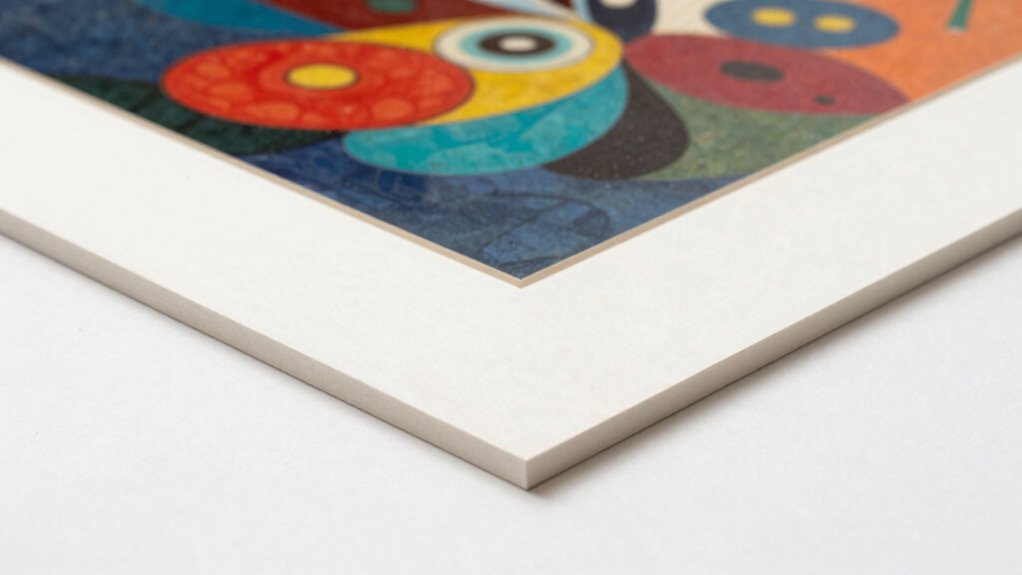
You might wonder if paying extra for acid-free backing is truly worth it. While it costs more upfront, it offers long-term preservation benefits that can save you from costly repairs or replacements later. Considering the balance between initial expense and conservation, it’s important to decide if the added value aligns with your needs.
Long-Term Preservation Benefits
While acid-free backing may cost more upfront, it offers significant long-term preservation advantages that can outweigh the initial expense. Using museum-quality materials aligned with archival standards guarantees your artwork remains protected against deterioration over decades. This backing prevents acid migration, which can cause yellowing, brittleness, and fading. It also helps maintain the integrity of delicate paper and textiles, preserving their value and appearance.
- Prevents acid migration and environmental damage
- Extends the lifespan of your artwork
- Maintains color vibrancy and structural stability
- Meets rigorous archival standards for conservation
Investing in acid-free backing ensures your piece stays true to its original condition, making it a wise choice for collectors and conservators alike. Long-term preservation benefits make the extra cost well worth it, especially when protecting treasured or valuable artworks.
Cost Versus Conservation
Although acid-free backing offers clear long-term preservation advantages, it also comes with a higher upfront cost. When weighing the cost versus conservation, consider how acid-free materials enhance frame aesthetics by preventing discoloration and damage over time. While standard backing might save money initially, improper framing techniques can lead to costly repairs or replacements later. Investing in acid-free backing ensures your artwork remains vibrant and intact, preserving its value and appearance. If your goal is to display your work professionally and safeguard it long-term, the extra expense is worthwhile. Ultimately, the decision depends on your priorities: short-term savings or lasting quality. Carefully evaluate your framing techniques and the importance of conservation to determine if the investment aligns with your goals.
How to Care for Your Framed Artwork Long-Term

Proper long-term care is essential to preserve the beauty and integrity of your framed artwork. To guarantee lasting preservation, pay attention to art conservation principles and your framing materials. Keep your artwork out of direct sunlight, which can cause fading and deterioration. Maintain stable humidity and temperature levels to prevent warping or mold growth. Handle your frame with clean, dry hands to avoid transferring oils or dirt. Regularly dust the glass and frame with a soft cloth. Consider using UV-protective glass or acrylic to shield your piece. Check the framing materials periodically for signs of deterioration. Refrain from using harsh cleaning agents that might damage your artwork. Proper care prolongs your artwork’s lifespan and keeps it looking its best for years to come.
When Should You Replace or Upgrade Your Framing Backing?
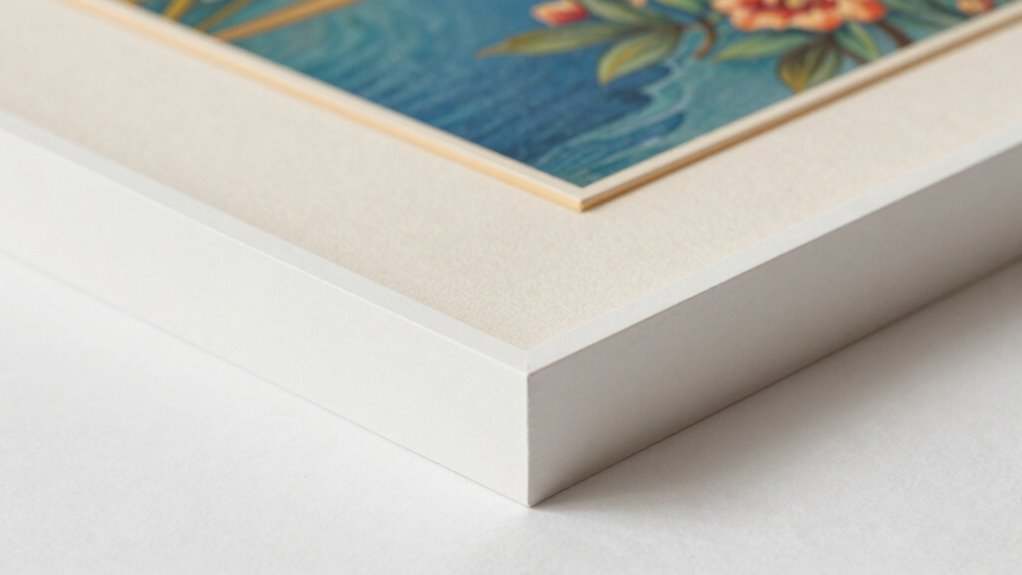
You should consider replacing or upgrading your framing backing when you notice signs of deterioration, like warping or discoloration. These changes can threaten the artwork’s preservation, making it essential to act promptly. Using proper preservation strategies can help extend the life of your framing and protect your collection.
Signs of Deterioration
Over time, signs of deterioration in your framing backing become clear, signaling it’s time to contemplate replacing or upgrading. Look for visible damage that no longer meets museum standards or archival quality, which could compromise your artwork’s integrity. Common signs include fading, discoloration, warping, or flaking. You might also notice mold or insect damage, indicating moisture issues. Cracks or tears in the backing material suggest it’s no longer providing proper support. If the backing feels brittle or begins to detach from the artwork, it’s a clear sign to act. Regular inspections help catch issues early. Upgrading to archival-quality, acid-free backing ensures your piece remains protected and maintains its value over time. Don’t wait until deterioration becomes severe—prevention is key.
Preservation Strategies
Wondering when to replace or upgrade your framing backing? If your backing shows signs of warping, discoloration, or mold, it’s time to act. Using archival adhesives guarantees the new backing stays secure without damaging your artwork. Consider upgrading your frame matting if it’s stained, brittle, or no longer complements your piece. Regular inspections help identify deterioration early, preventing irreversible damage. When replacing backing, opt for acid-free, lignin-free materials that provide long-term preservation. Proper framing techniques, including the correct use of archival adhesives, help maintain the integrity of your artwork. Upgrading your framing setup not only preserves its appearance but also extends its lifespan, safeguarding your investment for years to come. Acting promptly keeps your artwork protected and looking its best.
FAQs About Using Acid-Free Backing in Framing
Many people have questions about using acid-free backing in framing, as it plays a crucial role in preserving artwork and photographs. You might wonder if acid-free backing is necessary for all projects or how it meets archival standards. The truth is, using acid-free backing is essential for maintaining the integrity of your art over time, especially in museum framing. It prevents acid migration that can cause yellowing and deterioration.
Here are some common FAQs:
- Is all acid-free backing suitable for archival purposes?
- How does acid-free backing compare to regular backing?
- Can I use it with different framing materials?
- What benefits does it provide for long-term preservation?
Frequently Asked Questions
Can All Types of Artwork Be Safely Framed With Acid-Free Backing?
Not all artwork materials can be safely framed with acid-free backing. You should consider the specific materials involved, like oil paintings, textiles, or photographs, which may require different framing techniques. Acid-free backing works well for paper-based art and prints, but for delicate or sensitive materials, additional conservation methods might be necessary. Always evaluate your artwork’s composition to guarantee your framing choices protect and preserve it effectively.
How Long Does Acid-Free Backing Typically Last Before Needing Replacement?
Think of acid-free backing like a fine wine; it’s designed to last, but not forever. Typically, it offers museum-quality preservation for 20-50 years, depending on environmental conditions. Proper care, like avoiding direct sunlight and humidity, can prolong its archival material longevity. You’ll want to check your artwork every decade or so, especially if you notice discoloration or deterioration, to ensure it remains protected and vibrant over time.
Are There Environmental Factors That Affect the Longevity of Acid-Free Backing?
Environmental factors do affect the longevity of acid-free backing. UV degradation from sunlight gradually breaks down the material, weakening its protective qualities. High humidity can cause mold growth and warping, accelerating deterioration. To preserve your artwork, keep it away from direct sunlight and maintain stable humidity levels. Proper storage and framing in a controlled environment help guarantee your acid-free backing remains effective for a longer time.
Is Acid-Free Backing Suitable for Outdoor or Humid Environments?
Acid-free backing isn’t ideal for outdoor or humid environments. You might think it offers UV resistance, but it’s actually moisture-sensitive and can degrade over time when exposed to humidity or sunlight. If you want your artwork protected outdoors, look for backing materials specifically designed for UV resistance and moisture control. Otherwise, your work risks damage, fading, or warping, making it less durable in challenging conditions.
Are There Eco-Friendly or Biodegradable Acid-Free Backing Options Available?
Yes, eco-friendly and biodegradable acid-free backing options are available. You can choose from biodegradable alternatives made from plant-based materials or recycled content, which help reduce environmental impact. These options are designed to break down naturally over time, making them a sustainable choice for framing projects. By selecting recycled materials and biodegradable options, you support eco-conscious practices while protecting your artwork.
Conclusion
Think of acid-free backing as the guardian angel safeguarding your artwork’s future. It’s the invisible shield that preserves your piece’s story, ensuring it remains vibrant and intact for generations. Skipping this step is like letting time’s corrosive hand touch your masterpiece. By choosing acid-free backing, you’re planting a seed of care that will blossom into lasting beauty. Protect your art with this silent guardian—your work’s most loyal defender in the journey of time.