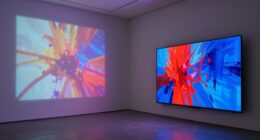
Online art workshops give you the chance to learn new techniques, share your work, and connect globally—all from home. They offer flexibility, allowing you to practice digital tools and experiment with various styles without mess or cost. However, you might face technical issues or miss face-to-face feedback. Overcoming these challenges can lead to rewarding growth and creative breakthroughs. Keep exploring to discover more about making the most of these opportunities.
Key Takeaways
- Online art workshops enable remote learning, collaboration, and skill development using digital tools and resources.
- They provide opportunities to connect with a global community of artists and explore diverse techniques.
- Challenges include technical issues, unfamiliarity with digital tools, and lack of immediate face-to-face feedback.
- Participants can enhance creativity and personal growth through experimentation and shared projects.
- Success depends on setting personal goals, maintaining motivation, and adapting to digital platforms.
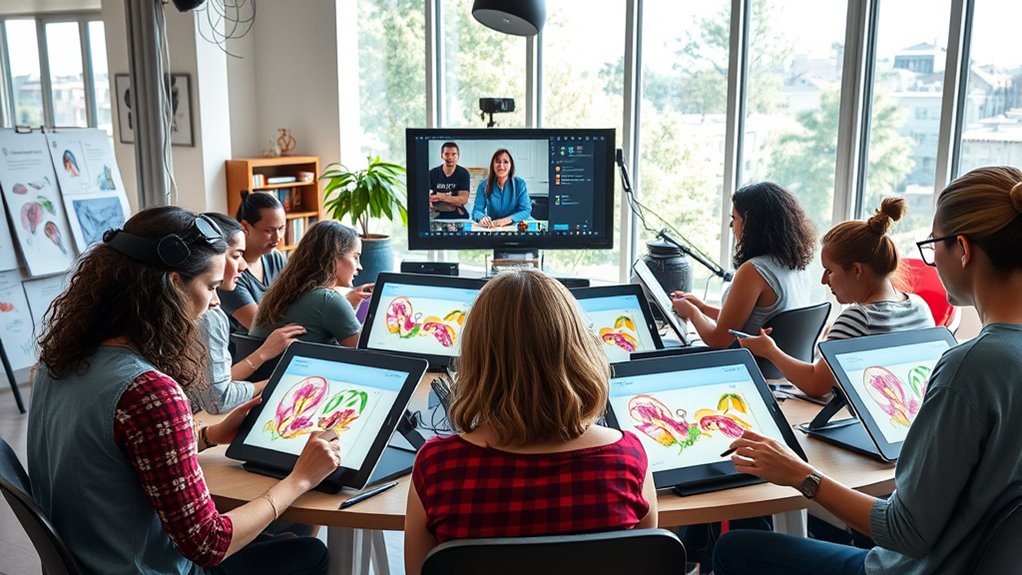
Have you ever wanted to improve your artistic skills without leaving home? Online art workshops make that possible, offering a flexible way to learn, practice, and grow as an artist. One of the biggest benefits is the opportunity for artistic collaboration, even when you’re miles apart from other creatives. You can connect with fellow learners, share your work, and receive feedback in real-time, creating a sense of community that’s often missing in solo practice. These workshops often incorporate digital art tools, which open up new horizons for your creativity. Whether you’re using graphic tablets, digital painting software, or online drawing platforms, these tools allow you to experiment with different styles and techniques without the mess or expense of traditional media. Plus, digital art tools often come with built-in tutorials and resources that complement the workshop lessons, making it easier to follow along and practice on your own.
Discover online art workshops that foster collaboration, enhance skills with digital tools, and connect you with a global creative community.
Engaging with digital tools also helps you develop technical skills that are increasingly important in modern art creation. As you participate in online art workshops, you’re encouraged to explore artistic collaboration in ways that traditional classes might not facilitate. Many platforms allow you to work on shared projects or participate in group challenges, where multiple artists contribute to a collective piece. This not only enhances your technical skills but also teaches you how to communicate visually and work as part of a team, skills that are invaluable whether you’re pursuing art professionally or as a hobby. The ability to collaborate across distances also means you can learn from artists worldwide, gaining diverse perspectives and techniques that can inspire your own work.
However, traversing online workshops isn’t without its challenges. Technical issues such as internet connectivity, software compatibility, or unfamiliarity with digital tools can sometimes hinder your progress. It’s important to be patient and willing to troubleshoot or seek help when needed. Additionally, the virtual environment can lack the immediacy of face-to-face feedback, making it harder to gauge your progress or receive nuanced critiques. You might find it challenging to stay motivated without the physical presence of an instructor or classmates, so setting personal goals and sticking to a routine becomes essential.
Despite these hurdles, online art workshops provide a rich platform for growth, especially if you embrace the digital art tools available. They foster artistic collaboration in innovative ways, connecting you with a global community of artists and expanding your creative horizons. With a little effort and adaptability, you can turn these virtual sessions into a rewarding journey of artistic discovery and skill-building.
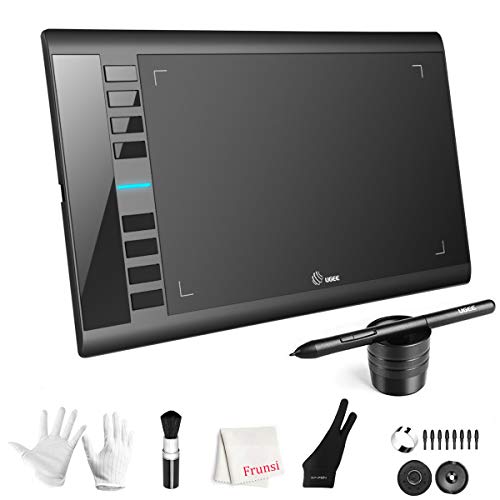
Graphics Drawing Tablet, UGEE M708 10 x 6 inch Large Drawing Tablet with 8 Hot Keys, Passive Stylus of 16384 Levels Pressure, UGEE M708 Graphics Tablet for Paint, Design, Art Creation Sketch
【Large Active Drawing Space】: UGEE M708 V3 graphic drawing tablet, features 10 x 6 inch large active drawing…
As an affiliate, we earn on qualifying purchases.
As an affiliate, we earn on qualifying purchases.
Frequently Asked Questions
How Do Online Art Workshops Differ From Traditional In-Person Classes?
Online art workshops differ from traditional in-person classes by offering greater flexibility and convenience. You can access art supplies easily at home and work at your own pace. However, social interaction is limited compared to in-person settings, making it harder to connect with fellow artists. Despite this, you benefit from a diverse range of instructors and styles, expanding your creative opportunities without leaving your space.
What Technology Is Needed to Participate Effectively in Online Art Workshops?
Imagine you’re stepping into a digital renaissance—tech is your brush. To participate effectively, you need a reliable computer or tablet, stable internet, and a good webcam. Art software like Photoshop, Procreate, or free options like Krita helps you immerse yourself in digital drawing. A quality stylus or pen can enhance precision. These tools guarantee you follow lessons smoothly, create confidently, and connect with instructors and fellow artists effortlessly.
How Can Beginners Find Suitable Online Art Workshops for Their Skill Level?
To find suitable online art workshops, start with an art skill assessment to understand your current level. Look for beginner-friendly options that match your skills and interests. Browse platforms like Skillshare, Udemy, or local art schools offering courses labeled “beginner” or “introductory.” Read reviews and check course descriptions to guarantee they suit your needs. This approach helps you choose workshops that build confidence and skill progressively.
What Are the Best Ways to Stay Motivated During Remote Art Classes?
Staying motivated during remote art classes is like tending a garden—you need consistent care. Create daily creative routines to keep your passion blooming and set small, achievable goals to celebrate progress. Peer accountability can be your watering can, encouraging you to stay committed and inspired. Connect with fellow learners regularly, share your work, and remind yourself of the joy art brings, transforming challenges into opportunities for growth.
How Do Online Workshops Handle Individual Feedback and Personalized Instruction?
In online workshops, you receive personalized critiques through detailed feedback on your work, helping you improve specific skills. Real-time mentoring allows you to ask questions and get immediate guidance, making the learning experience more tailored. Instructors often offer one-on-one sessions or live Q&A segments, ensuring you get the individual attention needed to grow as an artist. This interactive approach keeps you engaged and motivated throughout your creative journey.

XOPPOX Graphics Drawing Tablet, 10×6 Inch Large Active Area with Battery-Free Stylus, 8192 Levels of Pen Pressure and 12 Hot Keys, Compatible with PC/Mac/Android for Painting, Design & Online Teaching
【Broad Compatibility】XOPPOX upgraded drawing tablet is compatible with Windows XP/7/8/10/11, Android 4.4 and above, and macOS 11 or…
As an affiliate, we earn on qualifying purchases.
As an affiliate, we earn on qualifying purchases.
Conclusion
Online art workshops open exciting opportunities for you to learn and connect from anywhere. Despite challenges like technical issues, over 70% of participants report increased confidence and skill development. Embracing these virtual spaces can transform your artistic journey, offering flexibility and access to diverse instructors. So, immerse yourself and explore the possibilities—your next masterpiece might just start with a simple click. The future of art education is online, and it’s waiting for you.
artistic collaboration tools for remote artists
As an affiliate, we earn on qualifying purchases.
As an affiliate, we earn on qualifying purchases.

XPPen 10.95" Standalone Drawing Tablet Digital Color Notetaking Magic Note Pad for Sketching, Drawing & Notes 16K Pressure Sensitivity Tilt Support 90Hz Refresh Rate Anti-Glare Screen Android 14
Realistic Sketching Experience: The XPPen magic note pad features a 10.95-inch X-Paper display with AG nano-etching technology, delivering…
As an affiliate, we earn on qualifying purchases.
As an affiliate, we earn on qualifying purchases.