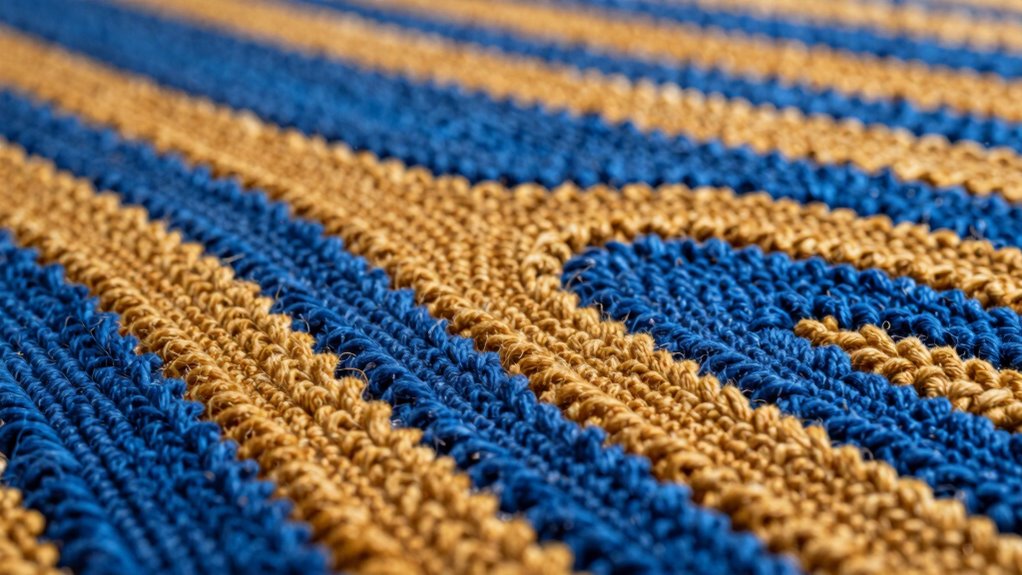

Finishing your tufted rug elevates it from basic craft to art by emphasizing precise details, flawless edges, and artistic touches. You should carefully trim uneven fibers, secure loose ends, and choose perfect edging or fringes that complement your design. Adding color and texture finishes enhances visual impact, while thorough inspection helps catch flaws early. Mastering these steps ensures a polished, professional look. To make your rug stand out even more, explore the creative finishing techniques ahead.

Get art and craft supplies delivered free with Prime
- Fast, free delivery on millions of items
- Prime Video, Amazon Music and more included
- Member-only deals all year
Key Takeaways
- Precise trimming, detailing, and addressing imperfections elevate a rug from basic craft to a polished, artistic masterpiece.
- Artistic finishes like vibrant color blending and textured accents distinguish handcrafted rugs as art.
- Proper presentation, lighting, and display techniques enhance the visual impact and showcase craftsmanship.
- Continuous quality inspection and early flaw detection ensure durability and elevate overall artistic quality.
- Incorporating innovative techniques and thoughtful finishing touches elevates tufted rugs beyond utilitarian craft into expressive art.
Popular right now

Vitamix Propel Series 750 Professional-Grade Blender, 4 Programs, Black

Ninja DualZone Smart Air Fryer, 10 Qt, 6-in-1, DZ950

KitchenAid Artisan 5-Qt Tilt-Head Stand Mixer, Cardamom
As an affiliate, we earn on qualifying purchases.
Why Finishing Touches Are Key to a Beautiful Rug
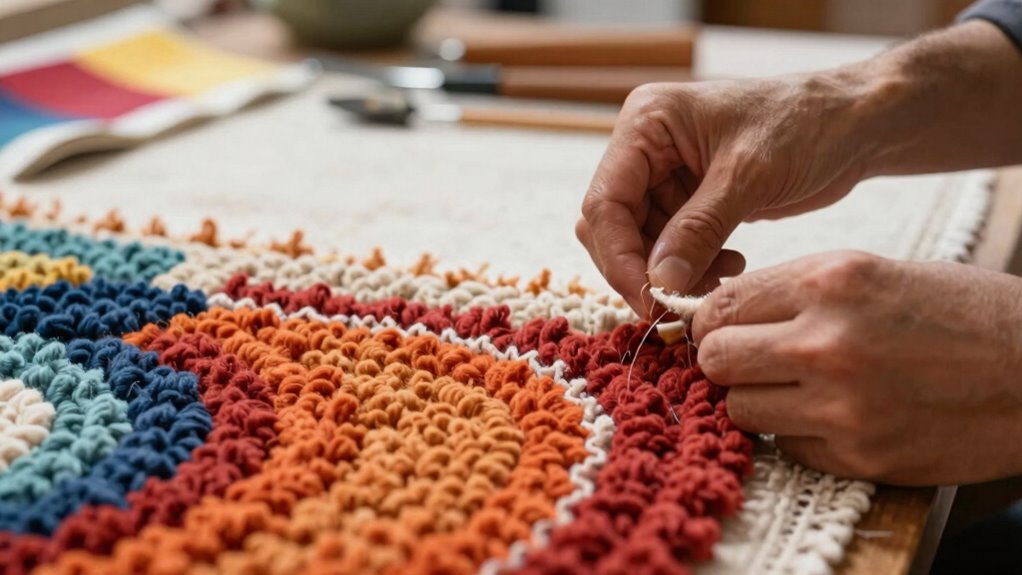
Finishing touches are essential because they guarantee your rug looks polished and complete. Proper rug care starts with these final steps, ensuring the fibers stay vibrant and free of damage. Once you’ve completed tufting, trimming excess yarn and securing loose ends protect your design and extend its lifespan. Implementing quality finishing techniques enhances the rug’s appearance and contributes to the overall aesthetic and durability. Storage tips also come into play here—rolling your rug tightly and wrapping it in breathable material prevents dust and moisture from harming the fibers. Using eco-friendly disposal methods for any leftover materials ensures that your crafting process remains environmentally responsible. These finishing details not only enhance the visual appeal but also preserve the quality of your rug over time. Neglecting them can lead to frayed edges, uneven surfaces, or deterioration. Paying attention to these final steps makes your rug a true work of art, showcasing your craftsmanship and ensuring longevity. Incorporating a proper storage technique helps maintain the rug’s shape and prevents unnecessary wear. Additionally, using water-resistant materials during storage can offer extra protection against moisture damage, especially in humid environments.
Essential Techniques for Trimming and Detailing Your Rug
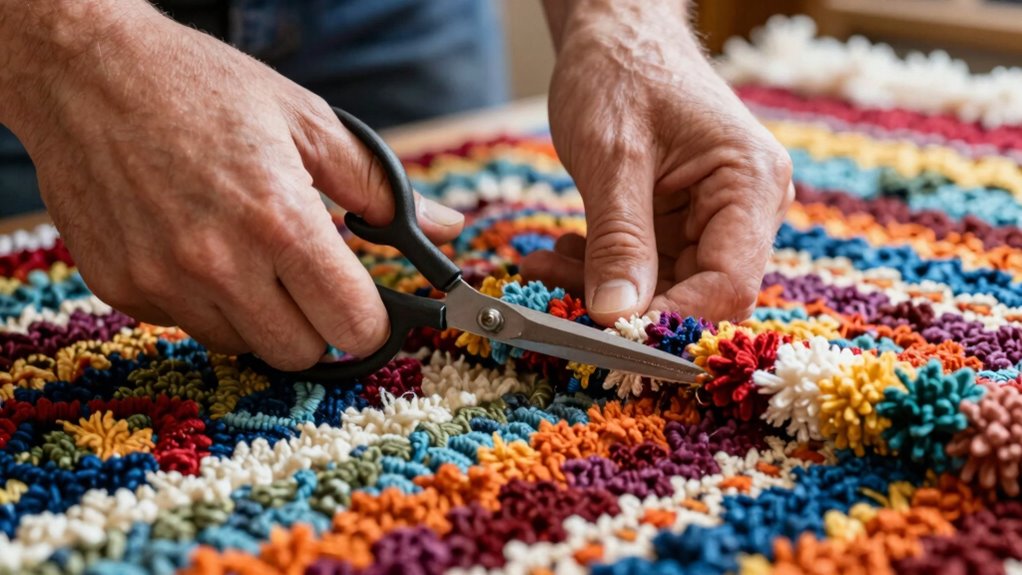
Once you’ve completed securing loose ends and protecting your rug, the next step is to focus on trimming and detailing. Carefully inspect your rug to assess fiber density, ensuring evenness across the surface. Use sharp scissors to trim any uneven or excess fibers, which improves the rug’s overall appearance. Pay close attention to knot consistency, making sure each knot aligns properly and maintains uniform height. This step enhances the rug’s texture and creates a polished look. Remove stray fibers and trim high or uneven areas, giving your rug a clean, professional finish. Proper trimming not only improves visual appeal but also prolongs the rug’s durability, making it easier to care for and display as a true piece of art. Additionally, be mindful of water damage signs, such as warping or discoloration, to ensure your rug maintains its integrity over time.
How to Pick Edging and Fringes That Fit Your Design
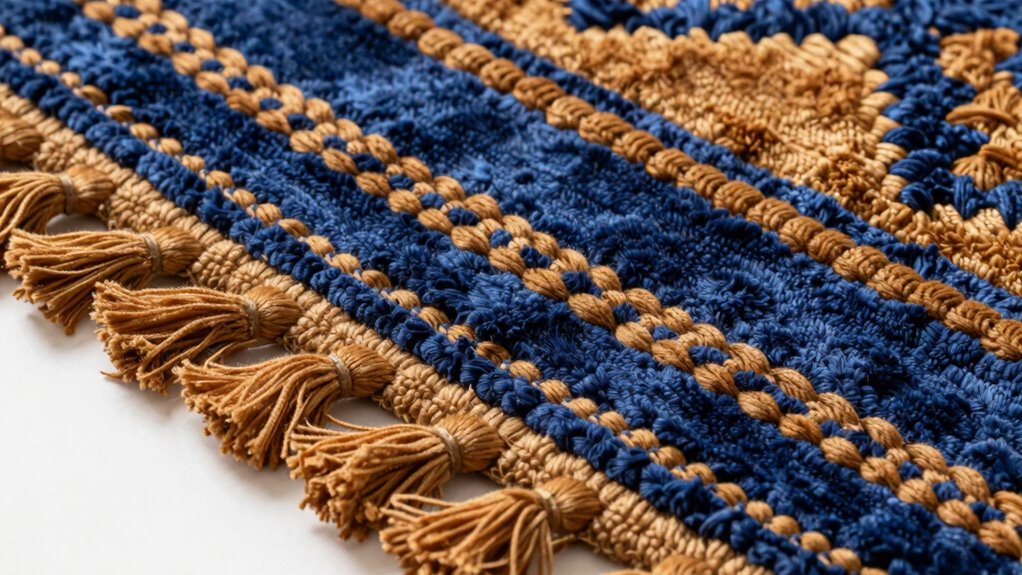
Choosing the right edging and fringes can markedly enhance your rug’s overall design and functionality. When selecting your edge, consider the rug’s style—clean, straight edges suit modern looks, while scalloped or braided edges add a handcrafted touch. Your edge selection should complement the rug’s pattern and intended use. Fringe styles also play a key role; you can opt for simple, minimalist fringes or more elaborate, decorative ones. Consider the length and texture of the fringe—shorter for a sleek appearance, longer for a bohemian vibe. Matching the fringe color to your rug’s palette creates harmony, while contrasting shades add visual interest. Additionally, understanding the horsepower of electric dirt bikes can inspire you to choose durable, high-quality fringes that can withstand wear and tear. Exploring different finishing techniques can further elevate your rug’s aesthetic and durability, ensuring your finished piece stands out. Using material selection techniques can help you pick fibers that are both attractive and resilient, prolonging the life of your rug. Incorporating watt-hours and capacity considerations from battery inverter generators can help you select high-quality materials that last longer and maintain their appearance over time. Ultimately, the right edging and fringes tie your design together, making your tufted rug a cohesive work of art. Incorporating financing techniques can also help you budget effectively for your project, ensuring you get the best quality within your means.
How to Add Artistic Color and Texture Finishes
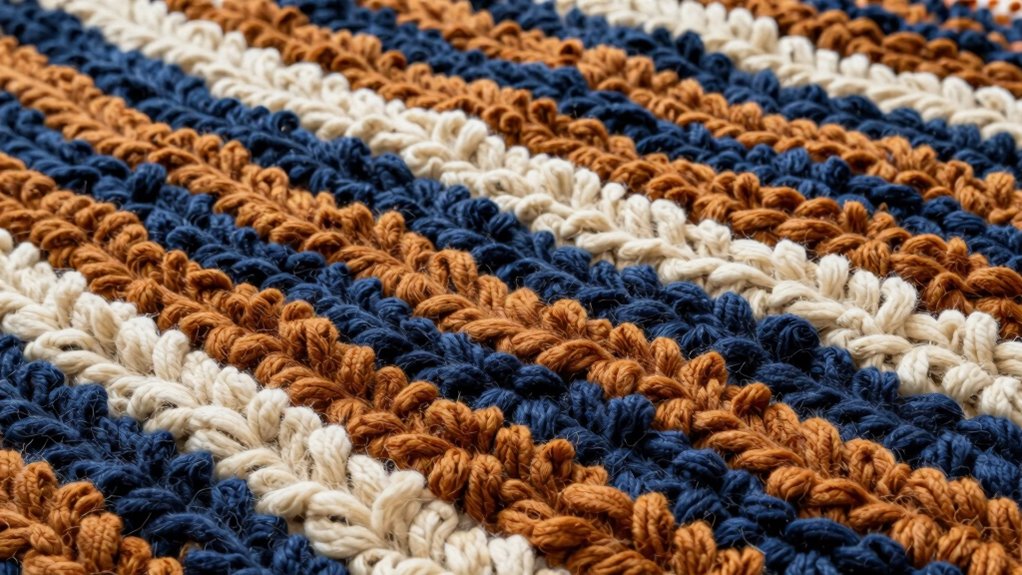
You can make your tufting rug stand out by choosing vibrant color palettes that reflect your style. Adding textural details, like different pile heights or mixed fibers, enhances the tactile appeal. Combining bold colors with interesting textures creates an artistic finish that truly personalizes your piece. Incorporating mindfulness practices can help you select colors and textures that evoke the desired emotional response. Additionally, considering multi-unit setups can inspire innovative textural contrasts and color combinations that elevate your design. Paying attention to color theory can further refine your choices for a balanced and striking visual effect. Exploring creative techniques can also open up new possibilities for artistic expression in your tufting projects. To ensure your investment maintains its value, understanding lifevest advisors and avoiding scams can safeguard your creative assets.
Choosing Vibrant Color Palettes
Vibrant color palettes can instantly transform a tufted rug into a striking focal point, but selecting the right hues requires a keen eye for balance and contrast. Focus on achieving color harmony by choosing shades that complement each other, creating a cohesive look. Simultaneously, consider shade contrast to add depth and visual interest, making certain areas pop. Use the table below to guide your choices:
| Color Pairing | Effect |
|---|---|
| Complementary Colors | Dynamic contrast |
| Analogous Colors | Harmonious blend |
| Monochromatic Shades | Subtle sophistication |
| Warm and Cool Tones | Vibrant balance |
| Bright and Muted Tones | Visual intrigue |
Paying attention to color theory principles can help you select effective palettes that enhance your design.
Incorporating Textural Details
Adding textured details to a tufted rug elevates its artistic appeal by introducing depth and tactile interest. Embellishing textures allows you to create visual contrast, making your design more dynamic. You can add surface patterns through techniques like pile height variation or layering different yarns, which enhances the rug’s dimensionality. Incorporate surface textures such as looped, cut, or mixed pile to give your piece a unique character. These details not only deepen the visual complexity but also invite touch, enriching the viewer’s experience. By thoughtfully adding surface patterns and embellishing textures, you transform a simple tufted rug into a work of art that stands out and invites closer inspection.
Tips for Inspecting, Troubleshooting, and Perfecting Your Rug
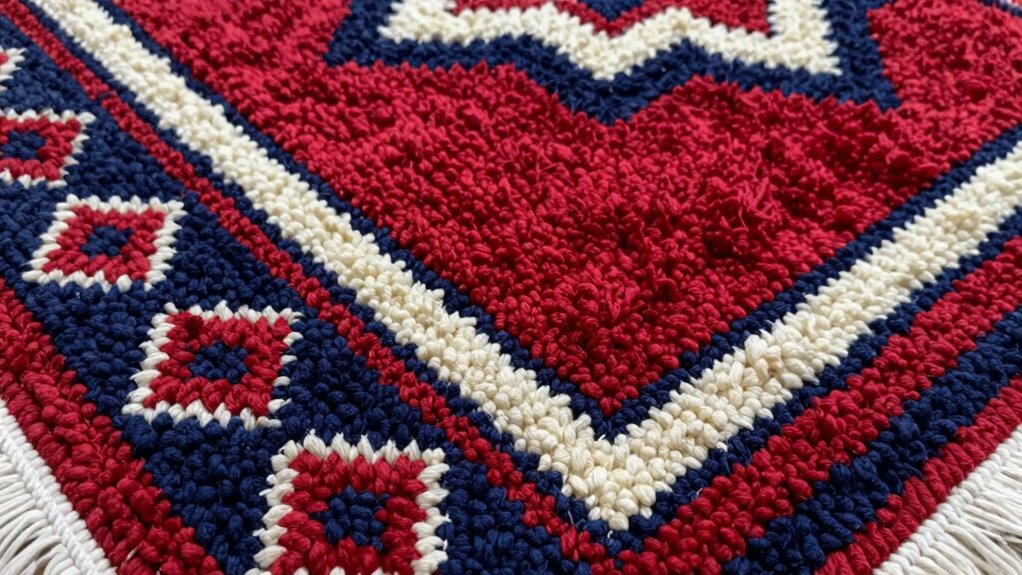
Regularly inspecting your rug helps catch imperfections early before they worsen. If you notice issues like loose fibers or uneven tufts, address them promptly to maintain quality. Troubleshooting common problems guarantees your rug stays beautiful and durable over time. Paying attention to the finishing steps of tufting ensures the rug’s craftsmanship remains intact and prevents future deterioration. Incorporating play-based learning strategies during maintenance can also help children develop patience and attention to detail while caring for their creations. Recognizing early warning signs of wear can help you take preventative measures and extend the lifespan of your rug. Additionally, understanding AI trends in textile design can inspire innovative finishing techniques to enhance durability and aesthetic appeal. Staying informed about quality control practices is essential for maintaining the highest standards in your tufting projects.
Spotting Imperfections Early
Spotting imperfections early is crucial to ensuring your tufted rug remains beautiful and durable. Regularly inspecting your work allows you to catch issues like uneven pile, missed stitches, or color inconsistencies that compromise quality control. By detecting these flaws early, you can correct them before they become permanent. Use a keen eye and proper lighting to identify imperfections in the rug’s surface. Here’s a quick reference:
| Imperfection | Detection Method | Fix or Prevention |
|---|---|---|
| Uneven pile height | Visual inspection | Adjust tension during tufting |
| Color inconsistencies | Compare with color chart | Maintain consistent dye application |
| Missed stitches | Close-up examination | Improve needle control |
| Loose fibers or snags | Gently tug and inspect | Address immediately to prevent unraveling |
| Surface blemishes | Use bright lighting | Fix with patching or trimming |
Early imperfection detection ensures your rug’s quality control and craftsmanship shine through. Additionally, understanding water-based techniques can help in troubleshooting color issues and improving your overall tufting process.
Correcting Common Issues
Once you’ve identified imperfections early, addressing them promptly helps maintain your rug’s quality and appearance. When inspecting, pay close attention to weaving patterns to spot uneven loops or loose fibers that can affect durability. Troubleshoot issues like color inconsistencies by reviewing your dyeing techniques; uneven dye absorption often results in blotchy patches. To correct weaving problems, carefully tighten loose areas or trim excess fibers, ensuring consistent tension throughout. For dyeing issues, you might need to reapply color or gently blend mismatched sections. Always test repairs on a small area first. Properly inspecting and troubleshooting these common issues keeps your tufted rug looking polished and professional, transforming minor flaws into opportunities for refinement.
How to Showcase and Present Your Finished Rug for Maximum Impact
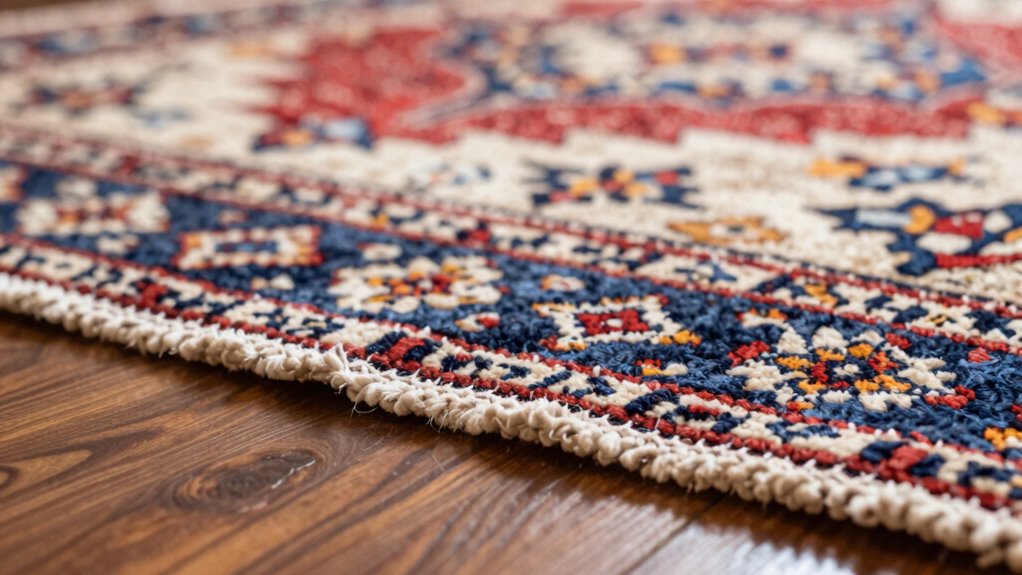
To showcase your finished tufting rug effectively, you need to highlight its unique textures and vibrant colors. A strong display presentation captures attention and communicates your artistic vision. Use proper lighting to enhance the rug’s details and colors, making textures pop. Consider framing or mounting your rug for a polished look that draws viewers in. When marketing strategies come into play, showcase your rug across social media platforms with high-quality photos that emphasize craftsmanship. Present your work in a clean, uncluttered space to let the rug stand out. Incorporate close-up shots to highlight intricate details. Overall, a strategic presentation elevates your rug from a craft piece to a mesmerizing work of art, attracting both viewers and potential buyers.
Frequently Asked Questions
How Long Does the Finishing Process Typically Take?
The finishing process typically takes about 2 to 4 hours, depending on the rug’s size and complexity. During this finishing timeline, you’ll trim excess fibers, bind edges, and add final touches to guarantee durability and aesthetics. The process duration can vary, but taking your time assures a high-quality result. Rushing through these steps might compromise the rug’s craftsmanship, so allocate ample time for careful detailing.
What Tools Are Essential for Finalizing a Tufted Rug?
You’ll need essential tools like scissors for trimming, a roller to guarantee the backing is secure, and a hot glue gun for applying non-toxic adhesives. Colorfast dyes help set vibrant, lasting colors, while non-toxic adhesives keep the rug safe and environmentally friendly. These tools let you refine edges, secure the backing, and bring your design to life with durable, vivid results. Always prioritize safety and quality in your finishing process.
Can Finishing Techniques Vary for Different Rug Sizes?
Yes, finishing techniques do vary for different rug sizes, and the stakes are higher with larger pieces. You’ll need size-specific techniques to guarantee durability and visual impact, especially considering pattern considerations. Smaller rugs might require quick edge finishes, while larger ones demand reinforced binding and careful tension control. Pay attention to how size influences your approach, and adapt your methods to maintain the rug’s integrity and aesthetic appeal.
How Do Finishing Steps Affect Rug Durability?
Finishing steps like fringe trimming and color sealing directly impact your rug’s durability. Fringe trimming prevents fraying, ensuring the edges stay intact longer, while color sealing protects against fading and wear. By carefully completing these steps, you strengthen the rug’s structure and enhance its resilience to daily use, making it last longer. Proper finishing is essential for maintaining both the appearance and longevity of your tufted rug.
Are There Eco-Friendly Finishing Options Available?
Yes, eco-friendly finishing options are available, and you should definitely consider them for a greener rug. You can opt for eco-friendly dyes that reduce chemical impact and sustainable finishes that prioritize environmental health. These choices not only make your rug more sustainable but also add a unique, natural touch. By choosing these options, you’re helping protect the planet while creating a beautiful, lasting piece that stands out.
Conclusion
Remember, the finishing touches truly define your tufted rug’s character—much like a painter signs their work. By carefully trimming, edging, and adding artistic details, you turn a craft into a piece of art. Don’t shy away from troubleshooting or experimenting; even imperfections can add charm. Ultimately, your attention to these final steps creates a unique masterpiece you’ll be proud to showcase. Trust the process—you might just discover that the journey is as rewarding as the finished piece.