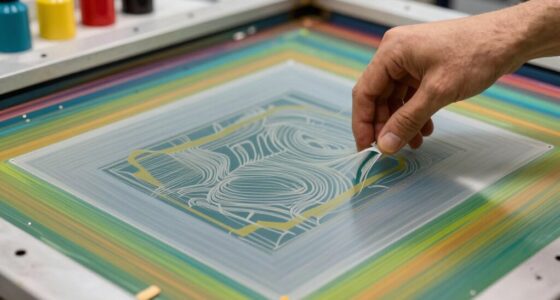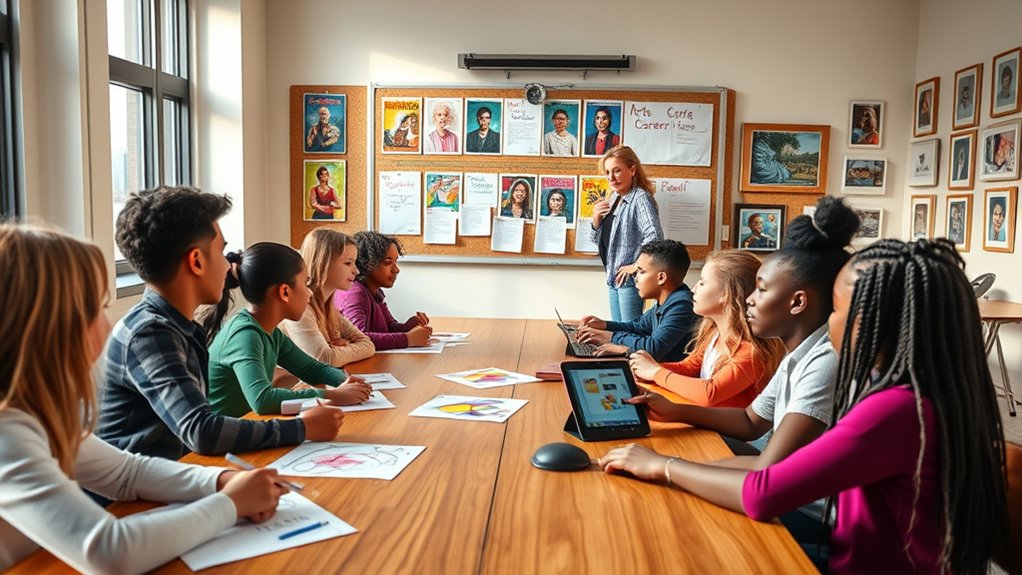

Exploring career pathways in the arts, you’ll find a diverse range of options beyond traditional roles. You can start your own ventures like galleries, design studios, or online shops, and collaborate across disciplines. Staying updated on current trends like social media marketing, virtual galleries, and sustainable art helps you stand out. Building your network and continuously experimenting with new platforms will boost your success. Keep going to discover how to navigate and thrive in this ever-evolving landscape.

Get art and craft supplies delivered free with Prime
- Fast, free delivery on millions of items
- Prime Video, Amazon Music and more included
- Member-only deals all year
Key Takeaways
- Explore diverse careers in arts, from traditional to entrepreneurial ventures like galleries, design studios, and online shops.
- Develop business, marketing, and financial skills to successfully monetize creative ideas and manage arts entrepreneurship.
- Stay informed about industry trends such as digital marketing, virtual galleries, and sustainable art to remain competitive.
- Build networks through local communities, industry events, and social media platforms to create opportunities and collaborations.
- Embrace innovation and industry insights to adapt to market demands and position as a savvy, sustainable arts professional.
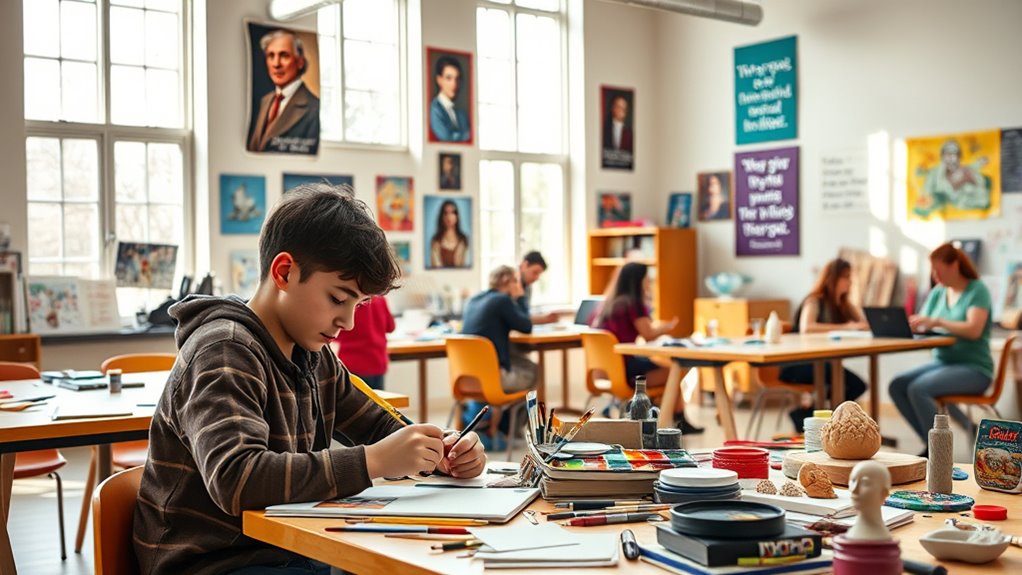
Exploring career pathways in the arts reveals a diverse range of opportunities for creative individuals. If you’re passionate about transforming your artistic talents into a sustainable career, understanding the landscape of arts entrepreneurship and current creative industry trends is essential. The traditional image of an artist working in isolation has evolved; now, many artists thrive by taking control of their careers, launching their own ventures, or collaborating across disciplines. Arts entrepreneurship empowers you to turn your creative ideas into viable businesses, whether that means opening a gallery, launching a design studio, or selling your work online. Staying informed about creative industry trends, such as digital marketing, social media influence, and e-commerce, helps you reach broader audiences and adapt to shifting market demands. These trends aren’t just buzzwords—they shape how you can promote your art, connect with potential clients, and build a brand that stands out.
To succeed in arts entrepreneurship, you need a strategic mindset paired with a willingness to learn new skills. This might mean taking courses in business management, marketing, or financial planning tailored specifically for artists. Understanding how to monetize your craft and navigate the financial realities of running your own venture is *essential*. Additionally, recognizing emerging creative industry trends can give you a competitive edge. For example, the rise of virtual galleries and online art platforms allows you to showcase and sell your work globally without the need for physical space. Similarly, trends toward sustainable and socially conscious art open new markets and storytelling opportunities, helping you align your work with current cultural conversations. Incorporating technological advancements, such as 3D printing or augmented reality, can further expand your creative possibilities and audience engagement.
Developing a strategic mindset and embracing industry trends are key to thriving as an arts entrepreneur.
Networking plays a *crucial* role in advancing your arts career as well. Engage with local arts communities, attend industry events, and build relationships with fellow creatives and industry professionals. These connections can lead to collaborations, mentorship, and new opportunities to showcase your work. Leveraging social media platforms like Instagram and TikTok allows you to build an audience and promote your art directly to consumers. As you navigate this space, stay adaptable, continuously learn about evolving trends, and be open to experimenting with new mediums or platforms. In doing so, you’ll position yourself not just as an artist, but as a savvy entrepreneur who leverages industry insights and market dynamics to thrive.
Ultimately, exploring career pathways in the arts means embracing innovation and staying attuned to the ever-changing creative landscape. Whether you pursue freelance work, establish your own business, or work within organizations, understanding arts entrepreneurship and industry trends equips you with the tools to craft a sustainable, fulfilling career that reflects your artistic vision and entrepreneurial spirit.
As an affiliate, we earn on qualifying purchases.
Frequently Asked Questions
How Do Arts Careers Compare Financially to Other Fields?
Arts careers often have more income variability compared to other fields, making financial stability less predictable. While some artists and arts professionals can thrive, many face fluctuating income levels due to industry trends and project-based work. You might find that earning potential in the arts is generally lower or less consistent than in fields like technology or finance. However, if you’re passionate, the creative fulfillment can outweigh financial uncertainties.
What Skills Are Most Essential for Success in Arts Careers?
Did you know that only 17% of arts professionals earn a stable income? To succeed, you need strong creative skills to innovate and stand out, along with technical expertise to bring your ideas to life. Adaptability and resilience are essential, too, because the arts often involve tight deadlines and unpredictable opportunities. Focusing on honing these skills will help you thrive in this competitive, rewarding field.
Are Formal Degrees Necessary for Pursuing a Career in the Arts?
Formal degrees aren’t always necessary for arts careers. Many artists succeed through informal training, workshops, and building their portfolios. Artistic certifications can boost your credibility, but your skills, creativity, and portfolio often matter more. Focus on honing your craft, gaining experience, and networking. Whether you pursue a degree or not, dedication and continuous learning will open doors in the arts industry.
How Can Students Build a Professional Portfolio in the Arts?
You can build a strong professional portfolio in the arts by creating a digital presentation that showcases your best work. Focus on portfolio diversity by including different styles, mediums, or projects to demonstrate your versatility. Regularly update your portfolio to reflect your evolving skills and achievements. Make sure your digital presentation is easy to navigate, visually appealing, and accessible, helping you stand out to potential employers or clients.
What Networking Opportunities Are Available for Aspiring Artists?
Seize social events and surf online forums to foster fruitful friendships and future opportunities. Attending art exhibitions, workshops, and industry mixers lets you meet mentors and peers face-to-face. Online platforms, such as art communities and social media, offer ongoing interactions, exposure, and connections across the globe. By actively engaging in both in-person and digital domains, you build a broad, balanced network that nurtures your artistic journey and opens doors to collaborations.
As an affiliate, we earn on qualifying purchases.
Conclusion
As you navigate the vibrant tapestry of arts careers, remember each thread represents a unique path waiting to be woven. Your passion is the brushstroke that colors your journey, and persistence is the steady hand guiding your masterpiece. Embrace every opportunity as a stepping stone across a flowing river of creativity. With courage and curiosity as your compass, you’ll paint a future as limitless as the sky, transforming dreams into a vivid, unfolding masterpiece.
art marketing and promotion books
As an affiliate, we earn on qualifying purchases.
As an affiliate, we earn on qualifying purchases.
As an affiliate, we earn on qualifying purchases.
Halloween Picks
halloween
As an affiliate, we earn on qualifying purchases.