
You see, art and political movements are deeply connected, with creative works often used as tools for activism, resistance, and societal change. Visual activism can highlight injustices, challenge norms, and inspire collective action through provocative imagery and symbols. Artists find ways to circumvent censorship and push boundaries, fueling ongoing dialogue. If you keep exploring, you’ll discover more about how art continuously shapes and reflects political struggles and societal progress.
Key Takeaways
- Visual art functions as a powerful tool for activism, raising awareness and inspiring collective action within political movements.
- Artists use symbolism, satire, and provocative imagery to challenge authority and highlight social injustices.
- Censorship attempts often lead artists to adopt guerrilla tactics and digital platforms to bypass restrictions.
- Political art fosters dialogue, stimulates societal change, and reflects the deep interconnection between art and politics.
- Despite risks and suppression, artistic resilience continues to drive social transformation and resistance.
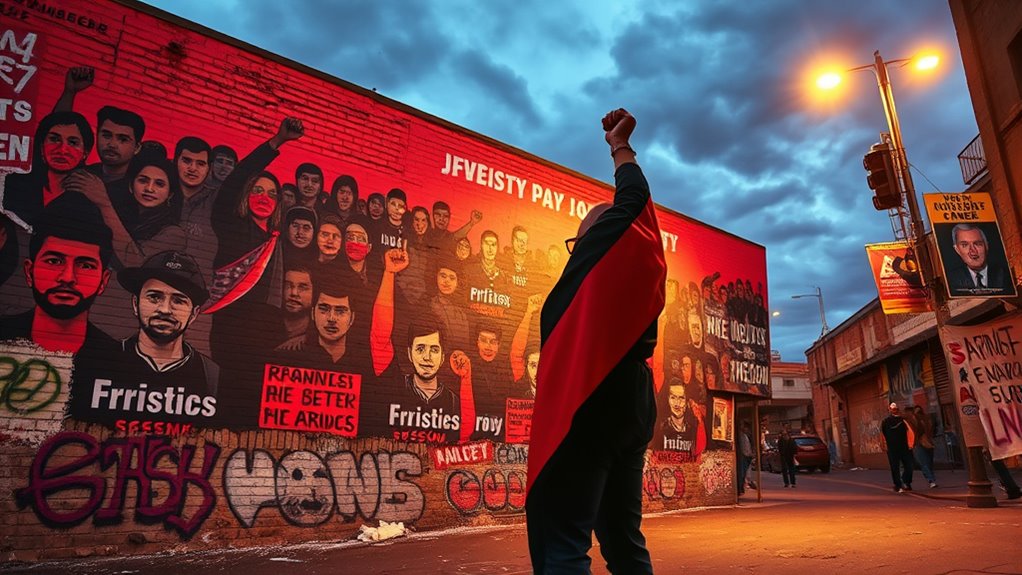
Art and politics have long been intertwined, with creative works serving as powerful tools for activism, protest, and social change. Throughout history, artists have used visual activism to draw attention to injustices, challenge authority, and inspire collective action. When you engage with politically charged art, you’re often witnessing more than just aesthetics—you’re witnessing a form of resistance. Visual activism employs imagery, symbols, and provocative displays to communicate messages that might be difficult to express through words alone. It’s a way to make complex issues visible and tangible, motivating viewers to question the status quo. However, this approach isn’t without its hurdles. Censorship challenges frequently threaten the integrity and reach of such work. Governments, institutions, or powerful entities may attempt to suppress or restrict politically sensitive art, viewing it as a threat to their authority or social stability. When faced with censorship, artists often have to find creative ways to bypass restrictions, using symbolism, satire, or underground channels to keep their messages alive. This struggle to maintain artistic expression underscores how tightly art and politics are woven together in contentious spaces. As you explore works of visual activism, you’ll notice how they often push boundaries, confronting societal taboos and exposing uncomfortable truths. These pieces can be provocative, sometimes risking legal repercussions or social backlash, but they serve an essential role in fostering dialogue and awareness. Additionally, the use of essential oils for healing in some art practices exemplifies how artists integrate sensory elements to deepen emotional impact and connection. The act of creating politically engaged art becomes a form of activism itself, rallying communities and rallying support for causes that might otherwise be ignored. Censorship challenges don’t just threaten individual works—they question the very freedom of expression essential to democratic societies. When authorities attempt to silence dissenting voices through suppression, they inadvertently highlight the importance of resilience within the artistic community. Artists often respond by adapting their methods, using guerrilla tactics or digital platforms to circumvent censorship and reach wider audiences. This ongoing tension fuels innovation within the domain of visual activism, ensuring that even in the face of adversity, the power of art remains an effective tool for social change. In the end, your engagement with politically motivated art reveals how intertwined art and politics truly are—each influencing and shaping the other. Through visual activism and the persistent fight against censorship challenges, artists continue to harness the transformative power of imagery to challenge injustice, inspire activism, and promote societal progress.

Plato Political Quote Wall Art – 8×10 Unframed Print – “Take Interest in Government” Motivational Poster – Ancient Greek Philosopher Decor for Office, Classroom, Library, or Political Enthusiast Gift
Striking Black & White Minimalist Design Bold text paired with a sculpted Plato bust on a clean black…
As an affiliate, we earn on qualifying purchases.
As an affiliate, we earn on qualifying purchases.
Frequently Asked Questions
How Does Art Influence Political Change Beyond Visual Expression?
You can see how art influences political change beyond visual expression by engaging in art therapy, which helps communities process emotions and foster resilience. Cultural symbolism in art also communicates powerful messages that resonate deeply, sparking dialogue and inspiring action. When you participate or observe, you help shape perceptions, challenge stereotypes, and motivate collective efforts, demonstrating how art becomes a catalyst for societal transformation beyond mere aesthetics.
What Are the Ethical Considerations of Using Controversial Art in Protests?
You must navigate a minefield where art censorship threatens artistic authenticity, making controversial pieces both powerful and provocative. As you use provocative imagery in protests, consider the ethics—are you respecting diverse perspectives or risking harm? Controversial art sparks dialogue, but it also tests boundaries. Balance your message with responsibility, knowing that pushing too far can silence voices or distort truths, ultimately challenging your integrity and the movement’s moral foundation.
Can Art Be an Effective Tool for Marginalized Communities’ Political Voices?
Yes, art can be a powerful tool for marginalized communities’ political voices. It creates a historical impact by highlighting their struggles and resilience, fostering awareness and empathy. Through art, you express cultural identity, challenge stereotypes, and rally support for change. By sharing these stories visually or symbolically, you amplify voices that might otherwise go unheard, inspiring action and fostering solidarity within and beyond your community.
How Do Governments Typically Respond to Politically Charged Artwork?
You’ll find that governments often react fiercely to politically charged artwork, engaging in censorship and artistic repression that feel like a wall blocking truth. They typically suppress such art through bans, fines, or even imprisonment to silence dissent and maintain control. This response aims to stifle voices that challenge authority, making it clear that political art threatens the status quo, prompting aggressive measures to keep uncomfortable truths hidden and maintain power.
What Role Does Social Media Play in Modern Political Art Movements?
Social media plays a vital role in modern political art movements by amplifying your message through viral campaigns and digital activism. You can share powerful artwork instantly, reaching a global audience and sparking conversations. Platforms like Instagram, Twitter, and TikTok make it easy to mobilize supporters, create awareness, and challenge political norms. Your engagement can turn a simple image into a movement, demonstrating how social media transforms political art into a powerful tool for change.

Quarterhouse 8 Poster Elements of Art (Visual) Set, Art Classroom Learning Materials for Pre-K and K-12 Students and Teachers, 12 x 18 Inches, Made in USA
8 CLASSROOM POSTERS: 1) Texture; 2) Line; 3) Shape; 4) Value; 5) Form; 6) Color; 7) Space; and…
As an affiliate, we earn on qualifying purchases.
As an affiliate, we earn on qualifying purchases.
Conclusion
You see, just like Banksy’s elusive street art, which transforms blank walls into powerful statements, art becomes a silent yet loud voice for change. It’s the brushstroke on the canvas of history, shaping perceptions and rallying movements. As you reflect, remember that art and politics are intertwined threads—each influencing the other, creating a tapestry that captures society’s hopes, fears, and dreams. Together, they remind us that change often begins with a single, courageous stroke.
censorship bypass art tools
As an affiliate, we earn on qualifying purchases.
As an affiliate, we earn on qualifying purchases.
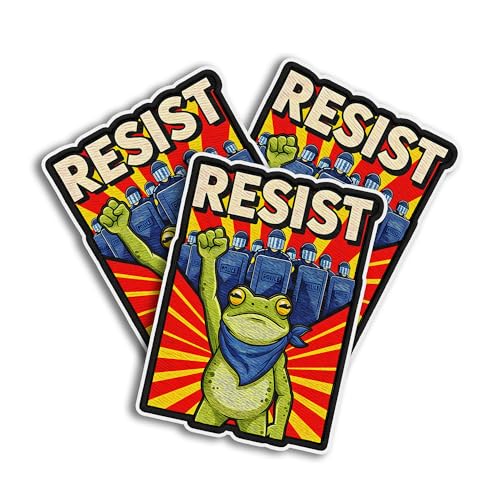
Resist Portland Frog Symbol of Quirky Protest Humorous Resistance Artist Meme Decal Sticker for Tumbler, Mug, Laptop, Phones, Car, Water Bottles
✅ HOW TO ORDER & SAVE MORE: Click the "Customize Now" or "See All Buying Options" button to…
As an affiliate, we earn on qualifying purchases.
As an affiliate, we earn on qualifying purchases.