
Globalization is reshaping the art canon by breaking down geographic and cultural barriers, making diverse styles and perspectives more accessible. It connects collectors, artists, and galleries worldwide, encouraging cultural exchange and collaboration. This broader access fosters innovation, highlights artists from emerging regions, and challenges traditional notions of artistic importance. As a result, the art landscape becomes more inclusive and vibrant. Keep exploring to discover how these shifts are transforming the art world today.
Key Takeaways
- Globalization broadens the art canon by integrating diverse cultural perspectives and reducing geographic barriers.
- It enhances access to international artworks, fostering discovery and investment in emerging regions.
- Cross-cultural collaborations and exhibitions promote mutual understanding and reshape traditional art hierarchies.
- Technological innovations democratize art access, supporting diverse artistic expressions and expanding market opportunities.
- The evolving art canon reflects a more inclusive, dynamic, and interconnected global cultural landscape.
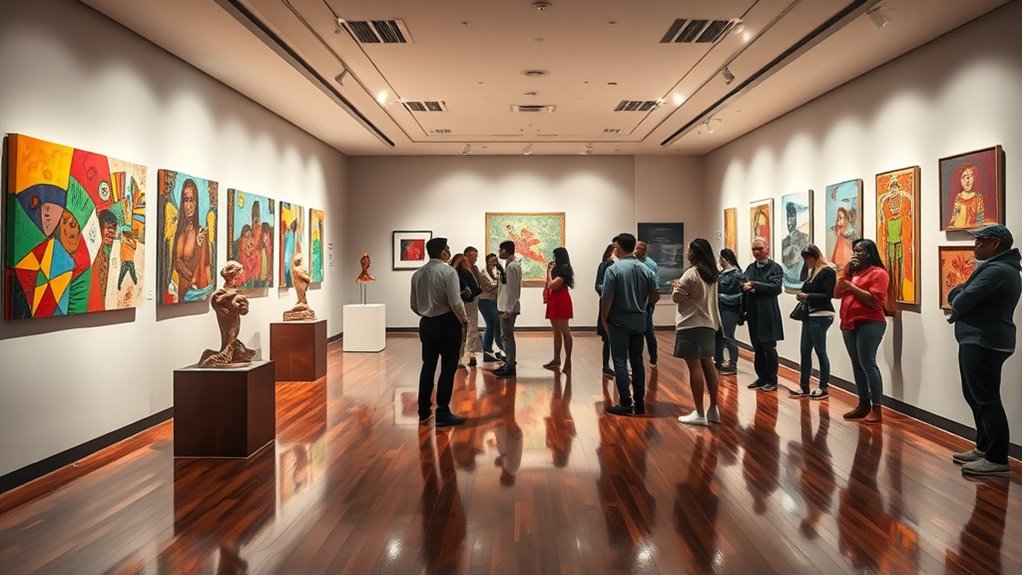
Globalization has dramatically reshaped the art world, breaking down geographic and cultural barriers that once defined the canon. You now have access to a global art market that connects collectors, galleries, and artists from every corner of the world. This interconnectedness means that art is no longer confined by traditional borders; instead, it flows freely across countries, encouraging a vibrant cultural exchange. As a result, you can discover diverse styles, techniques, and perspectives that challenge old notions of what constitutes “important” art. This shift allows you to see a broader spectrum of creative expression, recognizing the value of works from regions previously marginalized or overlooked.
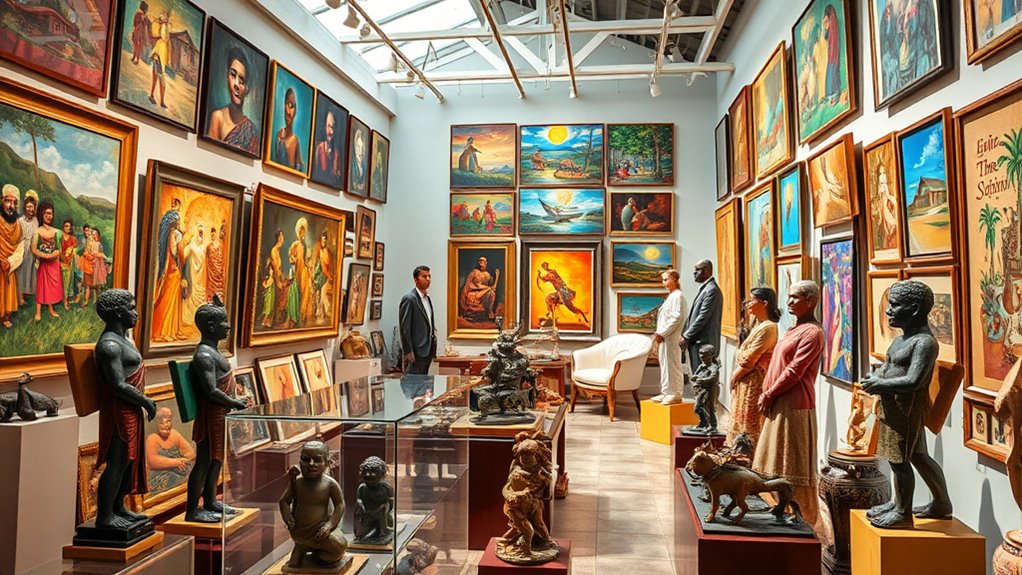
Global art markets break borders, fostering diverse perspectives and expanding creative horizons for collectors and enthusiasts alike.
With the expansion of the art market, your opportunities to acquire and invest in international art have increased exponentially. You can now participate in auctions or purchase directly from artists across continents, often discovering hidden gems that wouldn’t have been accessible a few decades ago. This globalization fuels competition and innovation, pushing artists from different backgrounds to experiment and push boundaries. As a collector or enthusiast, you benefit from this diversity, gaining a richer understanding of global cultural narratives. The art market’s interconnected nature also helps elevate artists from emerging regions, giving them a platform to reach wider audiences and gain recognition beyond their local communities.
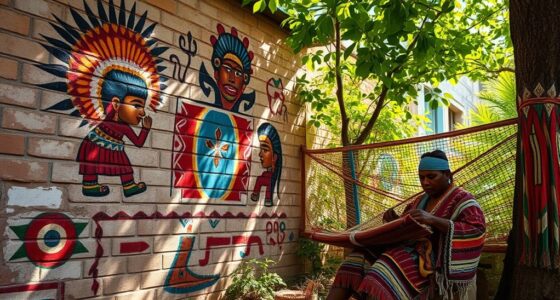
Cultural exchange plays an essential role in this transformation. You’re likely to notice influences from various traditions blending together in contemporary artworks, reflecting a synthesis of ideas that transcends national identities. This exchange fosters mutual understanding and appreciation, breaking down stereotypes and fostering dialogue between cultures. Exhibitions, collaborations, and residencies now regularly feature artists from multiple backgrounds, creating a dynamic dialogue that shapes the evolving art canon. When you engage with these works, you’re participating in a global conversation that values diversity and shared human experiences.
This ongoing process of globalization ensures that the art world remains fluid and inclusive. You’re encouraged to explore beyond conventional boundaries, recognizing that cultural diversity enriches artistic expression. As new voices emerge and gain prominence, they challenge the old guard, reshaping what’s considered significant in the art canon. Whether you’re a collector, dealer, or casual viewer, this democratization of art invites you to experience a more inclusive, vibrant landscape—one where cultural exchange and a dynamic art market continue to redefine the boundaries of artistic value and significance. Additionally, the global art market facilitates the dissemination of technological innovations that improve the accessibility and presentation of art worldwide.
Frequently Asked Questions
How Does Globalization Influence Emerging Artists’ Visibility Worldwide?
Globalization boosts your visibility as an emerging artist by connecting you to a global audience through local galleries and online platforms. It helps showcase your unique cultural identity, making your work stand out worldwide. You can access new markets, collaborate with international artists, and gain recognition beyond your local scene. This increased exposure allows you to grow your career faster and share your story with diverse audiences everywhere.
What Role Do Digital Platforms Play in Reshaping the Art Canon?
Imagine a vast digital ocean where islands of art emerge from the depths. Digital platforms, through digital curation and virtual exhibitions, become your lighthouse, guiding diverse voices into the spotlight. They reshape the art canon by breaking down traditional boundaries, allowing you to explore global perspectives from anywhere. This new landscape amplifies unheard stories, making you a traveler in a constantly evolving, inclusive art world.
How Are Traditional Art Institutions Adapting to Global Influences?
You’ll see traditional art institutions embracing global influences by prioritizing cultural authenticity and fostering artistic collaboration. They diversify exhibitions to include more international artists and perspectives, ensuring authentic representations. These institutions actively seek partnerships worldwide, encouraging cross-cultural projects that enrich their collections. By doing so, they stay relevant, reflect a broader range of voices, and connect more deeply with global audiences, ultimately reshaping the art landscape through inclusivity and shared creative efforts.
What Challenges Do Non-Western Artists Face in the Global Art Market?
You face challenges like cultural stereotypes that can limit your recognition and market accessibility, making it harder to reach a global audience. You might find your work undervalued or misunderstood because of biases rooted in Western-centric perspectives. Steering through these obstacles requires resilience and strategic efforts to showcase your unique cultural voice, break down stereotypes, and expand your presence in the international art market.
How Is Cultural Diversity Integrated Into the Evolving Art Canon?
You’ll find cultural diversity integrated into the evolving art canon through increased cultural exchange and artistic hybridity, reflecting a broader range of perspectives. Notably, a 2022 survey shows that 45% of major galleries now showcase artists from diverse backgrounds. This shift promotes inclusivity, allowing different traditions to blend and influence contemporary art, enriching the canon. As a result, you experience a more global, multifaceted artistic landscape that celebrates varied cultural narratives.
Conclusion
As globalization reshapes the art world, it broadens your horizons while challenging traditional norms. You now navigate a diverse canon, where local stories sit alongside global voices. This mix creates a vibrant tapestry, yet also demands you question what’s truly valued. In this new landscape, you find yourself caught between the familiar and the unfamiliar, the old and the new. Embrace the tension—it’s where innovation and authenticity collide, forging the future of art.