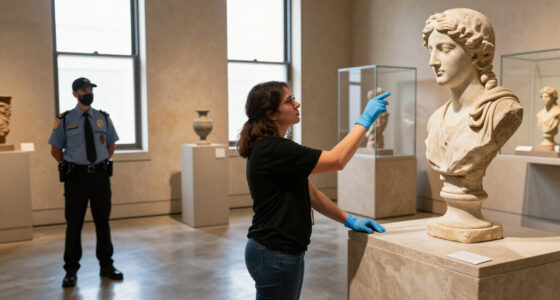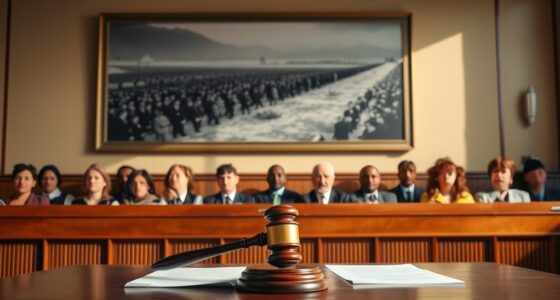
Censorship often restricts what you see or hear in art, aiming to suppress ideas deemed inappropriate or threatening. However, artists around the world challenge these limits by creating rebellious work that questions authority and pushes boundaries. Their resistance helps keep free expression alive and sparks societal progress. If you want to understand how art fights back against censorship and why artistic freedom matters, there’s more to uncover about this ongoing struggle.

Get art and craft supplies delivered free with Prime
- Fast, free delivery on millions of items
- Prime Video, Amazon Music and more included
- Member-only deals all year
Key Takeaways
- Censorship restricts artistic expression by limiting themes, messages, or visuals deemed inappropriate by authorities.
- Artistic rebellion emerges as a response, challenging censorship to preserve creative freedom and societal dialogue.
- Government regulation can marginalize dissenting voices, reducing cultural diversity and understanding.
- Protecting artistic freedom fosters societal progress, cultural richness, and resilient creative communities.
- Supporting rebellious art and resisting censorship helps ensure diverse ideas and critical perspectives thrive.
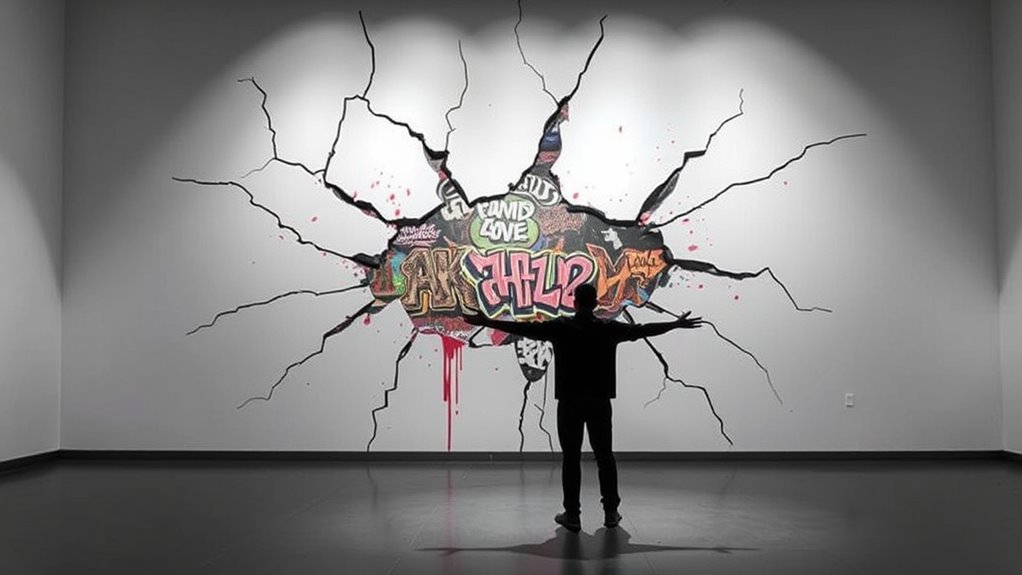
Art has always served as a powerful platform for expressing ideas, challenging norms, and sparking debate. Throughout history, artists have pushed boundaries, often facing opposition from authorities keen on maintaining control. Government regulation plays a significant role in shaping what can or cannot be expressed, sometimes leading to censorship that stifles creativity. When governments impose restrictions on certain themes, messages, or visuals, it’s not just about controlling content; it’s about controlling the narrative. You might feel that these restrictions silence essential voices, especially those questioning social or political injustices. Artistic rebellion becomes a natural response to such suppression, as artists seek to challenge the status quo and reclaim their freedom of expression. When authorities censor art, they often do so under the guise of protecting morality, national security, or public order, but this frequently results in marginalizing dissenting viewpoints. As an artist or viewer, you might notice how censorship distorts the cultural landscape, limiting the diversity of ideas that can flourish freely. Artistic rebellion, hence, becomes an act of resistance against oppressive government regulation. It’s about creating art that refuses to be silenced, that questions authority, and that invites viewers to think critically about the world around them. Recognizing how censorship impacts creative expression can deepen your understanding of the importance of protecting artistic freedom. You have the power to support or oppose these dynamics. If you value free expression, you may seek out works that challenge censorship and advocate for artists’ rights to express controversial or unpopular opinions. Recognizing the importance of artistic rebellion means understanding that art’s role isn’t just to entertain but to provoke thought and inspire change. When governments attempt to regulate or censor art, they often underestimate the resilience of creative voices. Artists find ways to bypass restrictions, whether through symbolic imagery, underground exhibitions, or digital platforms. This defiance highlights how essential free expression is to a thriving, dynamic society. You might also consider how censorship affects cultural identity and the collective memory of a society. When certain perspectives are suppressed, the richness of cultural dialogue diminishes, leading to a less informed and less empathetic community. Embracing artistic rebellion involves supporting those who challenge unjust regulations and recognizing that true artistic freedom is crucial for societal progress. By understanding the complex relationship between government regulation and artistic rebellion, you can better appreciate the ongoing struggle to keep art a space for honest, unfiltered expression.
As an affiliate, we earn on qualifying purchases.
Frequently Asked Questions
How Does Censorship Impact Emerging Artists Differently?
Censorship impacts emerging artists by limiting their ability to showcase bold ideas through gallery restrictions, which often decline provocative work. You might feel pressured to practice artistic self-censorship to avoid rejection or controversy, stifling your creative expression. This environment can hinder your growth and confidence, making it harder to develop a unique voice. Ultimately, censorship can create barriers that prevent you from fully exploring and sharing your artistic vision.
What Legal Frameworks Exist to Protect Artistic Freedom?
You are protected by legal protections like anti-censorship laws and freedom of expression acts in many countries. International treaties, such as the Universal Declaration of Human Rights, also safeguard artistic freedom globally. These frameworks help prevent government censorship and support artists’ rights to create and share their work openly. While enforcement varies, knowing these protections can empower you to stand against unjust restrictions and advocate for your artistic expression.
How Do Cultural Differences Influence Censorship Practices?
Cultural perceptions and societal norms shape censorship practices considerably. You’ll find that in some cultures, art that challenges traditional values faces strict restrictions, while others promote more open expression. You might notice that what’s considered acceptable in one society could be censored elsewhere due to differing beliefs and sensitivities. These cultural differences influence authorities’ decisions on censoring or permitting certain artworks, reflecting deeper societal attitudes toward free expression and morality.
What Role Do Social Media Platforms Play in Art Censorship?
Social media platforms act like digital gatekeepers, wielding their oversight like a double-edged sword. You, as a user, often find your art filtered through layers of digital oversight and user moderation, shaping what’s visible and what’s silenced. These platforms influence artistic freedom by balancing freedom of expression against community standards, making your creative voice either a roaring call or a muted whisper in the vast online arena.
Can Censorship Ever Enhance Artistic Innovation?
Yes, censorship can sometimes enhance artistic innovation by pushing you to challenge existing boundaries and explore new ideas. When faced with restrictions on artistic boundaries, you’re forced to think creatively and take risks you might not have considered otherwise. This kind of creative risk-taking can lead to fresh, provocative work that pushes the art world forward. Censorship, in this way, can inadvertently inspire you to find unique, powerful ways to express your vision.
underground art exhibition prints
As an affiliate, we earn on qualifying purchases.
As an affiliate, we earn on qualifying purchases.
Conclusion
In the battle between censorship and artistic freedom, your voice becomes the most powerful weapon. Every piece of art you support or create can topple walls of oppression or build bridges of understanding. If you stay silent, you risk allowing censorship to crush creativity forever. But if you stand up, even a single act can ignite a revolution. Remember, your passion for free expression isn’t just important—it’s the force that can change the course of history itself.
As an affiliate, we earn on qualifying purchases.
digital platforms for rebellious art
As an affiliate, we earn on qualifying purchases.
As an affiliate, we earn on qualifying purchases.
Fall Picks
fall essentials
As an affiliate, we earn on qualifying purchases.