
Biomimicry in design and art involves using nature’s patterns and systems to inspire sustainable, visually striking creations. You can incorporate natural algorithms like fractals, spirals, and tessellations to make your work more harmonious and efficient. These patterns not only add beauty but also reflect evolutionary optimization for resilience and balance. By exploring how nature simplifies complex problems, you’ll discover innovative techniques that blend function with artistry—uncovering even more inspiring ideas along the way.
Key Takeaways
- Biomimicry applies natural algorithms and patterns, like fractals and spirals, to create innovative, efficient designs in art and architecture.
- Mimicking nature’s forms promotes sustainable practices by utilizing organic aesthetics that reduce waste and energy consumption.
- Natural patterns such as honeycomb tessellations and sunflower spirals inspire visually captivating and harmonious artworks.
- Incorporating biological structures enhances the resilience, functionality, and aesthetic appeal of design projects.
- Studying natural systems fosters innovative solutions that seamlessly blend beauty, purpose, and ecological harmony.

Have you ever wondered how nature’s brilliant solutions can inspire your creative projects? When you look closely at the natural world, you’ll notice that it’s full of intricate patterns and efficient systems—what we call nature’s algorithms. These algorithms aren’t just beautiful; they’re optimized for survival, adaptation, and efficiency. By studying and mimicking these patterns, you can craft designs and artworks that are both functional and visually mesmerizing. Nature’s algorithms provide a blueprint for innovation, helping you solve complex problems with elegant, organic aesthetics that resonate deeply with viewers.
Imagine designing a public space that feels as natural as a forest clearing or a riverbank. You can incorporate organic aesthetics inspired by the uneven, flowing lines of leaves, the fractal patterns of tree branches, or the symmetrical beauty of flowers. These elements evoke a sense of harmony and balance, creating environments that feel intuitive and inviting. When you draw from nature’s algorithms, you’re tapping into centuries of evolution that have perfected these patterns for maximum efficiency. This results in forms that are not only visually appealing but also sustainable, reducing waste and energy consumption in your projects. Using organic aesthetics derived from nature’s algorithms allows you to craft designs that seem effortless, yet are rooted in complex systems honed by natural forces.
Design spaces inspired by nature’s flowing lines and fractal patterns for harmony and sustainability.
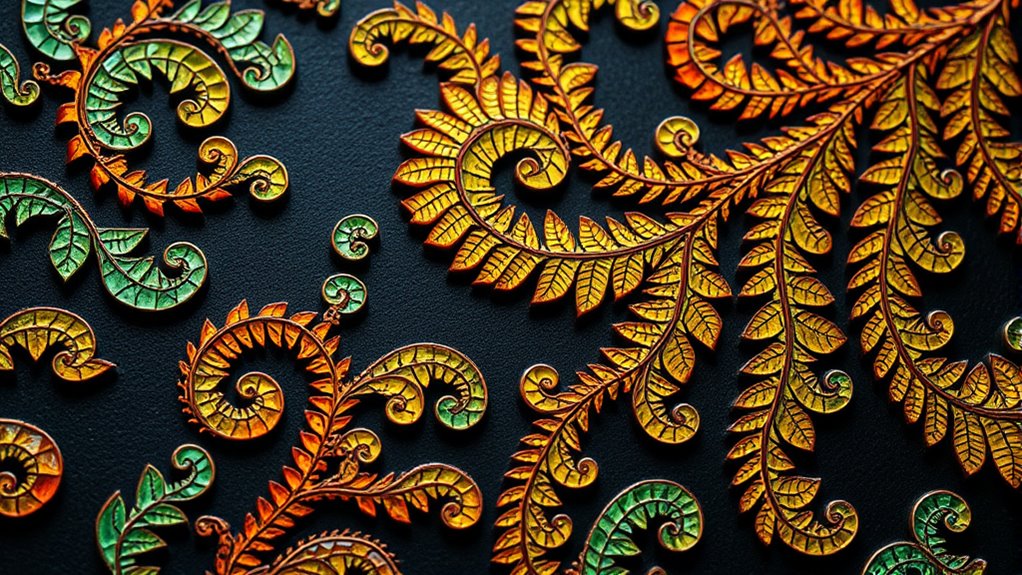
In art, mimicking nature’s algorithms can lead to mesmerizing visuals that captivate the viewer’s eye. Think of the spirals of a sunflower, the tessellations of a honeycomb, or the fractal complexity of snowflakes. These patterns have an inherent rhythm and balance that draw people in, creating a sense of connection with the natural world. By integrating organic aesthetics into your artwork, you can evoke feelings of serenity, wonder, or curiosity. This approach encourages viewers to see beauty in the irregularities and imperfections of natural forms, reminding you that perfection isn’t always necessary for something to be striking or meaningful. When you incorporate these elements, your work becomes a dialogue between human creativity and nature’s timeless design principles.
Ultimately, using nature’s algorithms and organic aesthetics in your projects isn’t just about aesthetics—it’s about embracing the wisdom embedded in the natural world. It’s a way to design and create with purpose, ensuring that your work harmonizes with the environment while captivating the human eye. By observing and mimicking these patterns, you open yourself to a world of innovative possibilities, where function and beauty coexist seamlessly. Nature has already solved many of the challenges you face; all you need to do is look closely, learn, and let these patterns inspire your next masterpiece. Recognizing that natural systems have been optimized over millions of years can help you develop more resilient and efficient designs.

Weaving Loom Kit,Wooden Multi-Craft Weaving Loom Tapestry Loom Large Frame 9.85x 15.5inch,DIY Hand-Knitting Weaving Machine with Loom Stick Bar for Kids, Adult and Beginners Handcraft Loom
Wooden Weaving Loom Kit:pure natural wood material, eco-friendly, no-toxic, durable and delicate. Package include: 1 weaving loom, 2...
As an affiliate, we earn on qualifying purchases.
Frequently Asked Questions
How Does Biomimicry Influence Sustainable Material Choices?
Biomimicry influences your sustainable material choices by inspiring you to select eco-friendly materials that mimic nature’s efficiency. It encourages using renewable resources, reducing environmental impact. When you observe how natural systems operate sustainably, you can design with materials that are biodegradable, energy-efficient, and locally sourced. This approach helps you create products that are environmentally responsible, support conservation efforts, and promote long-term ecological balance.
What Are the Challenges in Replicating Natural Patterns Digitally?
You face challenges in replicating natural patterns digitally because of digital constraints and pattern complexity. Complex patterns often demand high processing power and advanced algorithms, making accurate reproduction difficult. You might struggle to capture intricate details or dynamic movements, which can limit realism. To overcome these issues, you need innovative software tools and optimized algorithms that handle complexity efficiently, enabling more authentic and precise digital biomimicry.
Can Biomimicry Be Integrated Into Existing Industrial Design Processes?
You can absolutely integrate biomimicry into your existing industrial design process, transforming it into a groundbreaking fusion of nature and technology. By tweaking your design workflow to include biomimetic principles, you unlock unmatched creativity and efficiency. Focus on material innovation inspired by natural patterns, which can revolutionize product durability, sustainability, and aesthetics. Embrace this approach, and you’ll create designs that feel like they’re alive, pushing boundaries you never thought possible.
How Do Cultural Perceptions Affect Biomimetic Art and Design?
Cultural perceptions influence your biomimetic art and design by shaping how audiences interpret patterns inspired by nature. Cultural symbolism can evoke specific emotions or ideas, affecting aesthetic interpretations. When you incorporate nature-inspired elements, consider these cultural meanings to guarantee your work resonates positively. Being mindful of diverse cultural perspectives helps you create biomimetic designs that are both meaningful and universally appreciated, fostering deeper connections with your audience.
What Future Technologies Will Advance Biomimicry Applications?
Future technologies like genetic engineering and neural interfaces will revolutionize biomimicry applications. You might see genetic modifications enabling us to replicate nature’s complex patterns more precisely, while neural interfaces could allow seamless communication between humans and biomimetic devices. Imagine designing materials that adapt in real time, inspired by neural signals, or creating living structures that evolve like natural organisms—these advancements will push the boundaries of innovation and sustainability.

NBEADS 6Pcs Wood Weaving Loom Kit, Bookmark Loom with Weaving Comb and Crochet Needle, Perfect for Adult Beginners and Weaving Lovers
Package Include -- You will get 2pcs rectangle weaving looms, 2pcs weaving combs and 2pcs weaving crochet needles....
As an affiliate, we earn on qualifying purchases.
Conclusion
Imagine yourself as a traveler in a vast forest, where every leaf and creature offers a secret to innovation. By listening to nature’s whispers, you open patterns that inspire your designs and art, turning simple ideas into masterpieces. Biomimicry is your compass, guiding you through this lush landscape. Embrace these natural lessons, and you’ll craft creations that are not only beautiful but also harmonious with the world around you. Let nature’s wisdom be your guiding star.

FOCCTS Wooden Multi-Craft Weaving Loom Large Frame 9.84 x 15.35 x 1.3inch, Tapestry Loom Wooden Weaving Loom Creative DIY Weaving Art for Kids, Beginners and Expertsrt
[ Wide Application ] - Wooden weaving loom for adults is based on the traditional weave ways to...
As an affiliate, we earn on qualifying purchases.
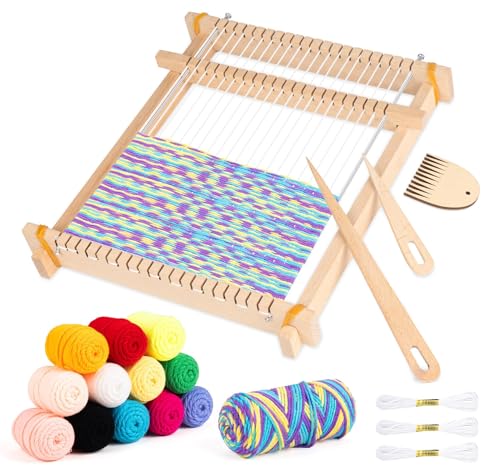
Lemonfilter Weaving Loom for Kids, 9" x 11" DIY Hand-Knitting Wooden Tapestry Weaving Loom Kit, Large Weave Frame for Adult and Beginners Handcraft Gift for Birthday Christmas
Weaving Loom Kit: Includes a 9*11-inch wooden loom, 2 weaving combs, large/small crochet hooks, 2 metal rods, 12...
As an affiliate, we earn on qualifying purchases.