Quantum computing could transform your digital art by providing enhanced security, allowing for safe sharing and storage of your creations. It also opens up possibilities for creating interactive, multidimensional, and immersive visuals that evolve dynamically. Generative techniques will become more powerful, helping you explore new styles and complex textures more efficiently. As these advances develop, you’ll discover innovative tools and opportunities to push your artistic boundaries further—if you keep exploring, there’s much more to uncover.
Key Takeaways
- Quantum encryption enhances digital art security, protecting assets during sharing, storage, and transmission.
- Enables creation of immersive, multidimensional, and interactive visual experiences.
- Accelerates generative art by exploring vast creative possibilities with quantum algorithms.
- Supports development of complex textures, patterns, and spatial relationships in digital artworks.
- Empowers artists with advanced tools to push boundaries and innovate in digital art creation.
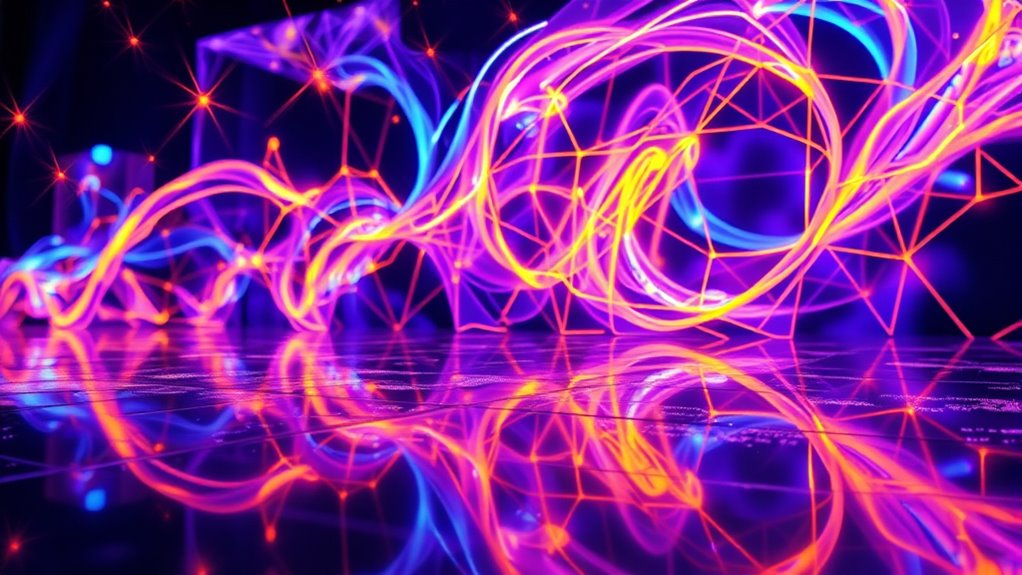
Quantum computing is poised to revolutionize digital art by opening new creative possibilities and transforming how artists generate and manipulate images. As this technology advances, it offers tools that can push the boundaries of visual expression in ways previously unimaginable. One of the key innovations driving this change is quantum encryption, which guarantees the security and integrity of digital art assets as they are shared, stored, and transmitted across networks. With quantum encryption, artists and collectors can confidently protect their work from cyber threats, knowing that their digital masterpieces are safeguarded by the most advanced security measures. This level of security encourages more open sharing and collaboration, fueling innovation and inspiring new kinds of interactive art experiences.
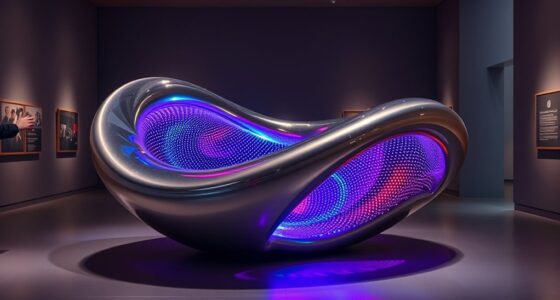
Beyond security, quantum computing enables the creation of multidimensional art that transcends traditional two-dimensional images. Using quantum algorithms, artists can explore complex geometries and manipulate multiple layers of data simultaneously. This capability allows for the development of immersive, multi-layered visuals that respond dynamically to viewer interactions or environmental factors. Multidimensional art, powered by quantum processing, becomes more than just a static image; it transforms into an interactive experience that immerses viewers in a constantly evolving digital environment. The ability to process vast amounts of data quickly and accurately means artists can experiment with intricate patterns, textures, and spatial relationships, producing works that are richer, more detailed, and more engaging.
Quantum computing enables immersive, multidimensional art that responds dynamically, transforming static images into engaging, evolving digital environments.
In practical terms, quantum computing could also revolutionize generative art by enabling algorithms to explore vast creative spaces at unprecedented speeds. Artists might input broad conceptual parameters, and quantum systems could rapidly generate numerous variations, blending styles or creating entirely new visual languages. This process opens the door for collaboration between humans and quantum-assisted AI, leading to innovative art forms that challenge traditional aesthetics. Additionally, the potential for quantum-enhanced rendering techniques means that digital images could achieve hyper-realistic textures or surreal, fantastical environments with greater efficiency and detail. As quantum algorithms continue to improve, the scope of digital art will expand even further, enabling new forms of expression.
Ultimately, your role as an artist will evolve alongside these technological advancements. Quantum encryption will secure your digital works, while multidimensional capabilities will expand your creative toolkit. As quantum computing matures, it will empower you to push artistic boundaries, create more immersive experiences, and explore new frontiers of digital art that blend the physical and virtual worlds in compelling ways. The combination of security, speed, and multidimensional potential positions quantum computing as a catalyst for the next era of digital artistry, inviting you to innovate in ways that are as limitless as your imagination.
Quantum Encryption for Enterprise: Post-Quantum Security in a Vulnerable Digital World
As an affiliate, we earn on qualifying purchases.
As an affiliate, we earn on qualifying purchases.
Frequently Asked Questions
How Soon Will Quantum Computing Fully Influence Digital Art Creation?
You might see quantum computing influence digital art within the next decade, as advancements in quantum speed and tackling computational complexity accelerate. These technologies will enable artists to create complex, detailed designs faster and explore new creative frontiers. While widespread adoption may take time, early innovations could start transforming digital art processes in five to ten years, making art creation more dynamic and computationally powerful than ever before.
What Are the Risks of Quantum Hacking in Digital Art Platforms?
You face risks of quantum hacking on digital art platforms, especially if sensitive data isn’t protected. Quantum encryption can safeguard your artwork and personal info, ensuring data integrity against quantum threats. Without it, hackers could potentially tamper with or steal art, compromising authenticity. To stay secure, you should adopt quantum-resistant encryption methods now, so your digital creations remain protected as quantum computing advances.
Will Quantum Technology Make Digital Art More Accessible Worldwide?
Quantum technology could revolutionize digital art by making it instantly accessible worldwide. You’ll see quantum democratization, where artists from every corner of the globe share their work effortlessly. This breakthrough boosts global accessibility, breaking down barriers of distance and resource limitations. Imagine a future where anyone with an internet connection can create, view, and enjoy digital art — transforming the art world into a truly interconnected, universal community.
How Can Artists Prepare for Quantum Advancements in Digital Tools?
To prepare for quantum advancements, you should focus on building quantum literacy by exploring new digital tools and staying updated on emerging technologies. Strengthen your understanding of digital security to protect your artwork and personal data as quantum computing evolves. Embrace learning opportunities, participate in relevant communities, and experiment with innovative software. Staying informed and adaptable will help you harness quantum tech’s potential and safeguard your creative work.
What Ethical Issues Arise From Quantum-Enabled Digital Art Manipulation?
You face ethical issues like safeguarding intellectual property and maintaining authenticity. Quantum-enabled digital art manipulation can make it easier to copy, alter, or forge artworks, challenging creators’ rights. You must consider how to verify originality and protect artists’ intellectual property in a landscape where quantum technology blurs authenticity boundaries. Responsible use and clear legal frameworks are essential to address these concerns and uphold integrity in digital art.
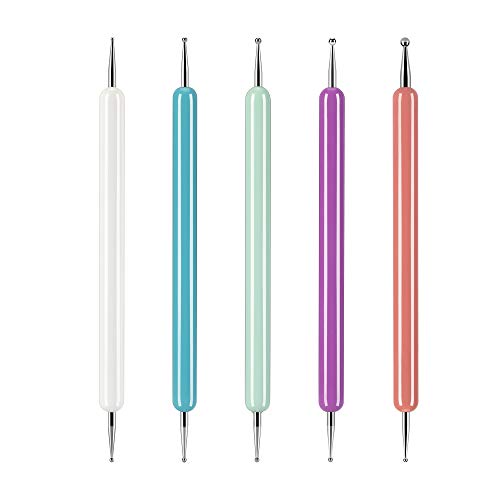
5 Pcs Pattern Tracing Stylus, Ball Embossing Stylus for Transfer Paper, Tracing Tools for Drawing, Embossing Tools for Paper, Art Dotting Tools for Nail Art, Ball Tip Clay Tools Sculpting Stylus
✒️ The embossing stylus set have total 10 ball ends, 5 different diameters (1.0/1.5/2.0/2.5/3.0 mm). Rounded tip protects…
As an affiliate, we earn on qualifying purchases.
As an affiliate, we earn on qualifying purchases.
Conclusion
As you explore the future of digital art with quantum computing, remember it’s like opening a treasure chest of endless creative possibilities. This technology can push artistic boundaries beyond what you thought was possible, transforming pixels into vibrant, dynamic masterpieces. Embrace this quantum leap, and you’ll find yourself riding the wave of innovation, where your imagination is the only limit. The art world is about to become a playground for quantum-powered dreams—ready to plunge in?
generative art software with quantum algorithms
As an affiliate, we earn on qualifying purchases.
As an affiliate, we earn on qualifying purchases.

The Art of Memory Forensics: Detecting Malware and Threats in Windows, Linux, and Mac Memory
As an affiliate, we earn on qualifying purchases.
As an affiliate, we earn on qualifying purchases.