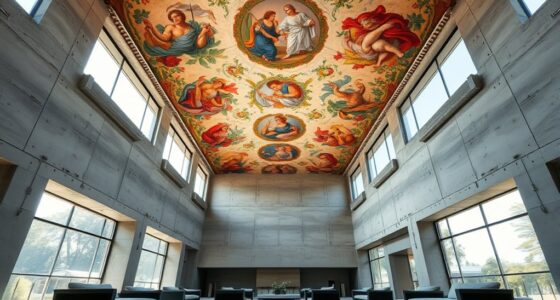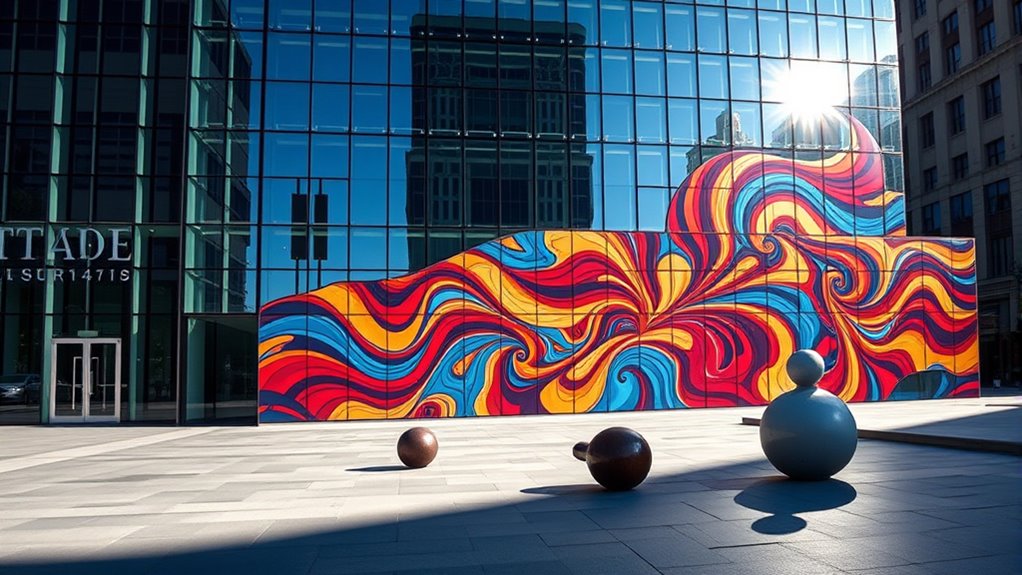

Public art integrated into architecture transforms urban spaces by adding vibrancy, character, and cultural meaning. Murals, sculptures, and installations become part of buildings, creating a visual storytelling environment that reflects local heritage and values. This seamless blend fosters community pride, encourages social interaction, and makes cities more inviting for visitors. If you keep exploring, you’ll discover how these creative integrations shape the identity and significance of modern urban environments.
Key Takeaways
- Public art enhances urban aesthetics by transforming ordinary spaces into vibrant visual storytelling environments.
- Integration of murals and sculptures reflects local culture, heritage, and historical narratives into architectural design.
- Seamless public art fosters community pride, social cohesion, and personal connections to urban spaces.
- Artistic features attract tourism, boost local economies, and help define a city’s unique identity.
- Symbolism in public art conveys cultural messages, enriching the urban environment with deeper meaning and societal stories.
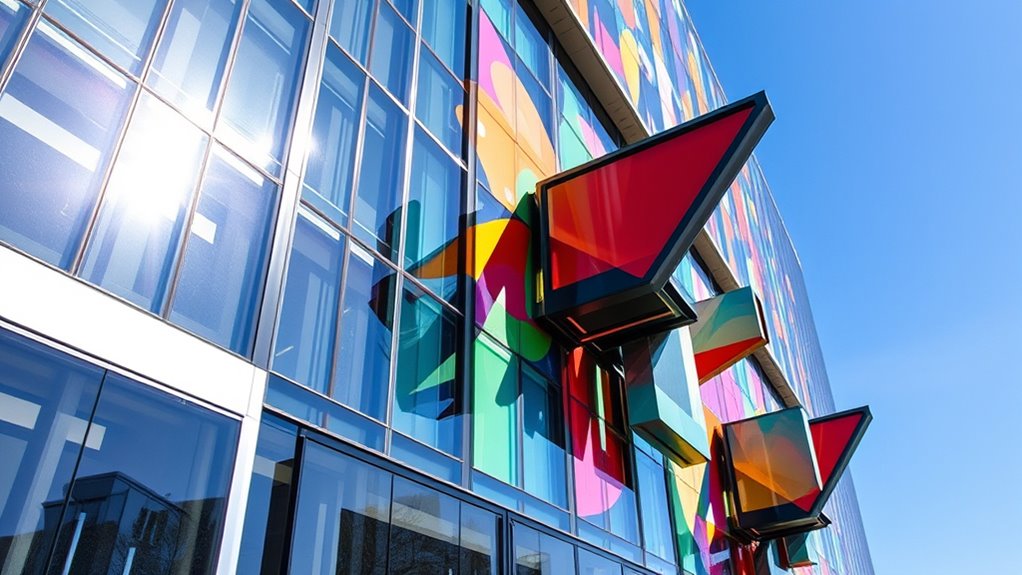
Public art and architecture shape the identity of a city and influence how people experience their environment. When you walk through a city that thoughtfully integrates public art into its architecture, you immediately notice the impact on urban aesthetics. These creative combinations transform ordinary spaces into visual stories, inviting you to engage with the environment on a deeper level. Instead of plain concrete and glass, you see murals, sculptures, and installations that add vibrancy, character, and a sense of place. This blend of art and architecture isn’t just for decoration; it’s a way for communities to communicate their identity, history, and values.
You’ll find that public art integrated into architecture elevates everyday experiences, making cityscapes more inviting and memorable. When a building’s facade features murals or sculptures that reflect local culture, it becomes a canvas of cultural expression. You might notice motifs that celebrate historical events, indigenous traditions, or local folklore, all embedded directly into the design. These elements create a dialogue between the structure and its surroundings, transforming a simple building into a cultural landmark. As you move through such environments, you’re not just passing by; you’re immersed in a narrative that celebrates the community’s unique identity.
This integration also fosters a sense of pride and ownership among residents. When public art is seamlessly incorporated into architecture, it signals that the community values its history, creativity, and diversity. You feel more connected to the space because it resonates with your cultural background or personal experiences. It’s not just about aesthetics—although that plays a significant role—it’s about creating places that foster social interaction and community cohesion. By combining visual art with functional architecture, cities can also address social issues or promote messages of sustainability, equality, or resilience, making public art an active participant in societal dialogue.
Moreover, public art integrated into architecture often becomes a point of attraction for visitors, contributing to urban tourism and economic vitality. Tourists come to admire murals, sculptures, or innovative design features, which in turn encourages local businesses and revitalizes neighborhoods. You might find that these artistic elements help define a city’s brand, making it memorable and distinct on the global stage.
In addition, understanding the role of symbolism in public art helps to appreciate the deeper meanings embedded within these works, enriching the cultural experience. You’re not just admiring a visual element; you’re engaging with a message or story that enhances the overall urban environment.
In essence, when you experience a city where public art and architecture work hand in hand, you’re witnessing more than just structural design; you’re engaging with a living, breathing piece of cultural expression. This harmony between form and art enhances urban aesthetics and creates environments that inspire, challenge, and celebrate the communities they serve.

RECETHROWS Wall Mural Detail of Graffiti Painted Illegally on Public Wall Artistic Peel and Stick Wallpaper Self Adhesive Wallpaper Large Wall Sticker Removable Vinyl Film Roll Shelf Paper Home Decor
SIZE – Total size is 69"x96"/175x245cm (height x width). Cut into 4 pieces for easy installation, each size…
As an affiliate, we earn on qualifying purchases.
As an affiliate, we earn on qualifying purchases.
Frequently Asked Questions
How Does Public Art Influence Urban Community Identity?
Public art influences your urban community identity by fostering community pride and showcasing cultural expression. When you see murals, sculptures, or installations, they reflect local stories and values, making you feel more connected. This artistic integration encourages residents to take ownership of their space, inspiring a strong sense of belonging. Ultimately, public art becomes a visual identity marker, uniting people through shared cultural expression and pride in their vibrant, unique community.
What Are the Funding Sources for Integrated Public Art Projects?
Think of funding sources like bridges connecting your vision to reality. Corporate sponsorships act as sturdy beams, supporting your project through private interest and branding. Government grants serve as guiding lights, illuminating pathways for public benefit. Together, they form the foundation for integrated public art, turning ideas into vibrant, enduring landmarks. You can tap into these sources to bring your creative vision alive, enriching your community and inspiring all who see it.
How Is Public Safety Considered in Art-Integrated Architecture?
You guarantee public safety in art-integrated architecture by implementing security measures like surveillance systems and proper lighting to deter vandalism and ensure safety. You also prioritize emergency accessibility, making sure pathways are clear, exits are visible, and installations don’t obstruct emergency routes. By integrating these safety features into the design, you create a space that’s both inspiring and secure for everyone, encouraging public engagement without compromising security.
Can Public Art Be Designed to Be Environmentally Sustainable?
You can absolutely design public art to be environmentally sustainable, and it’s a smart choice. By using eco-friendly materials and incorporating renewable energy sources, your artwork not only enhances the space but also minimizes environmental impact. This approach showcases your commitment to sustainability, inspiring others to follow suit. Thoughtfully designed public art becomes a beacon of eco-consciousness, blending creativity with responsibility, and creating a lasting positive impression on the community.
What Are Successful Examples of Public Art Enhancing Architectural Spaces?
You’ll notice successful public art enhances architectural spaces through interactive murals that engage viewers and kinetic sculptures that bring movement to static environments. For example, the Guggenheim Museum’s sculptures add dynamic energy, while murals in urban plazas invite community participation. These artworks create a sense of place, foster interaction, and make architecture more inviting. When thoughtfully integrated, public art transforms ordinary spaces into vibrant, memorable experiences that resonate with everyone.
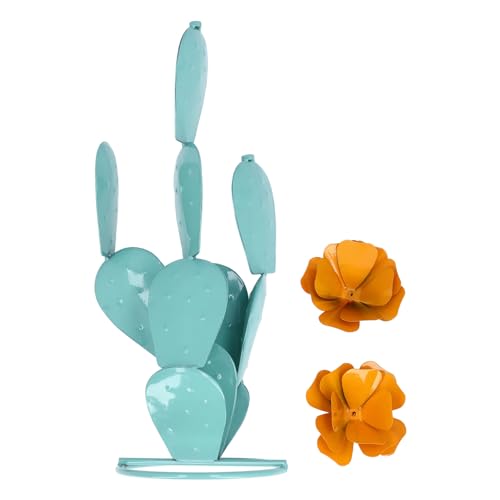
TYTOGE Cactus Statue Decor,Iron Easy Installation Prickly Pear Cactus Sculpture with Flowers Garden Decoration for Garden Yard Lawn Patio
Sturdy Construction: This cactus statue decor is made from high strength metal materials that are sturdy and able…
As an affiliate, we earn on qualifying purchases.
As an affiliate, we earn on qualifying purchases.
Conclusion
By blending public art into architecture, you create spaces that feel alive, like a heartbeat within the city. This integration transforms ordinary buildings into inspiring landmarks, inviting everyone to engage and connect. When art and architecture work together seamlessly, they turn the environment into a canvas that sparks imagination and pride. Just as a symphony combines different instruments into harmony, this fusion enriches your surroundings, making them more beautiful, meaningful, and memorable.

Bdor Decorative Metal Panels, Set of 4, 10.98" x 15.94", Modern Geometric Design, Black Metal Wall Art, Room Dividers, Architectural Elements for Home and Office Décor
Modern Geometric Design: Enhance your space with these sleek and stylish black metal panels featuring unique geometric cut-out…
As an affiliate, we earn on qualifying purchases.
As an affiliate, we earn on qualifying purchases.

Capital Lighting 651721AD Alyssa Art-Inspired Luxe Faux Alabaster Glass Cylinder Wall Sconce Vanity Bar Light, 2-Light 200 Total Watts, 21" H x 5" W, Aged Brass
ALYSSA WALL SCONCE LIGHT DIMENSIONS: 20.5" High x 5" Wide x 5" Deep; Backplate: 5" W x 5"…
As an affiliate, we earn on qualifying purchases.
As an affiliate, we earn on qualifying purchases.